The brief
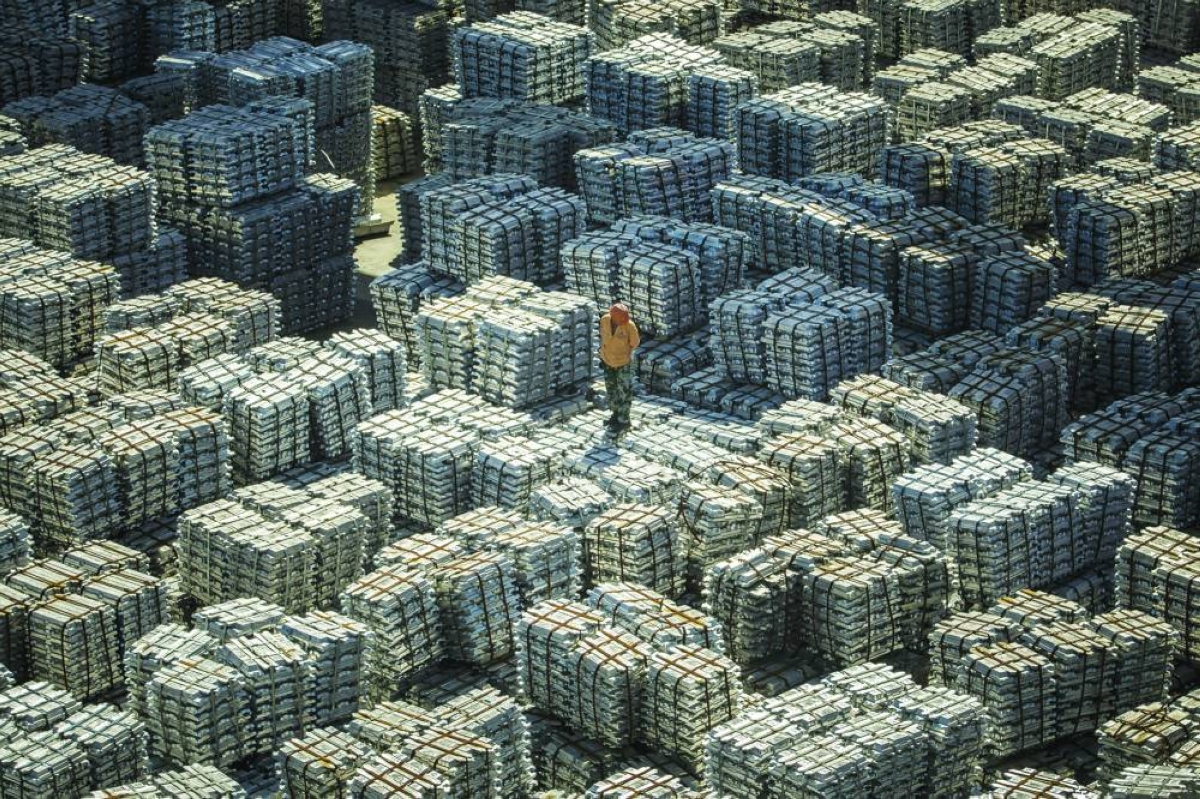
China's metal exports, particularly aluminum, are experiencing a notable increase due to the ongoing war in the Middle East, which has disrupted regional supplies and heightened demand for clean-tech products.
Context
The conflict in the Middle East has created a shift in the global metals market, impacting supply chains and demand dynamics.S1S2
Key points
- Aluminum exports from China are particularly benefiting from the situation in the Middle East.S1S2
- The war has led to reduced regional supplies of metals.S1S2
- There is an increased demand for clean-tech products linked to the conflict.S1S2
- Fossil fuel prices are rising, further influencing metal demand.S1S2
- China's export boom is a response to both supply disruptions and changing market needs.S1S2
- The situation highlights the interconnectedness of global markets and geopolitical events.S1S2
- China's role as a major exporter of metals is being reinforced by these developments.S1S2
- The ongoing conflict may lead to long-term shifts in metal trade patterns.S1S2
Why it matters
- The increase in metal exports could impact global pricing and availability of these materials.S1S2
- This situation underscores the vulnerability of supply chains to geopolitical tensions.S1S2
- The demand for clean-tech products may accelerate as countries seek alternatives to fossil fuels.S1S2
What to watch
- Monitor how the conflict evolves and its potential impact on global metal markets.S1S2
- Watch for changes in pricing trends for aluminum and other metals in response to supply shifts.S1S2
- Observe the response of other countries to the rising demand for clean-tech products.S1S2