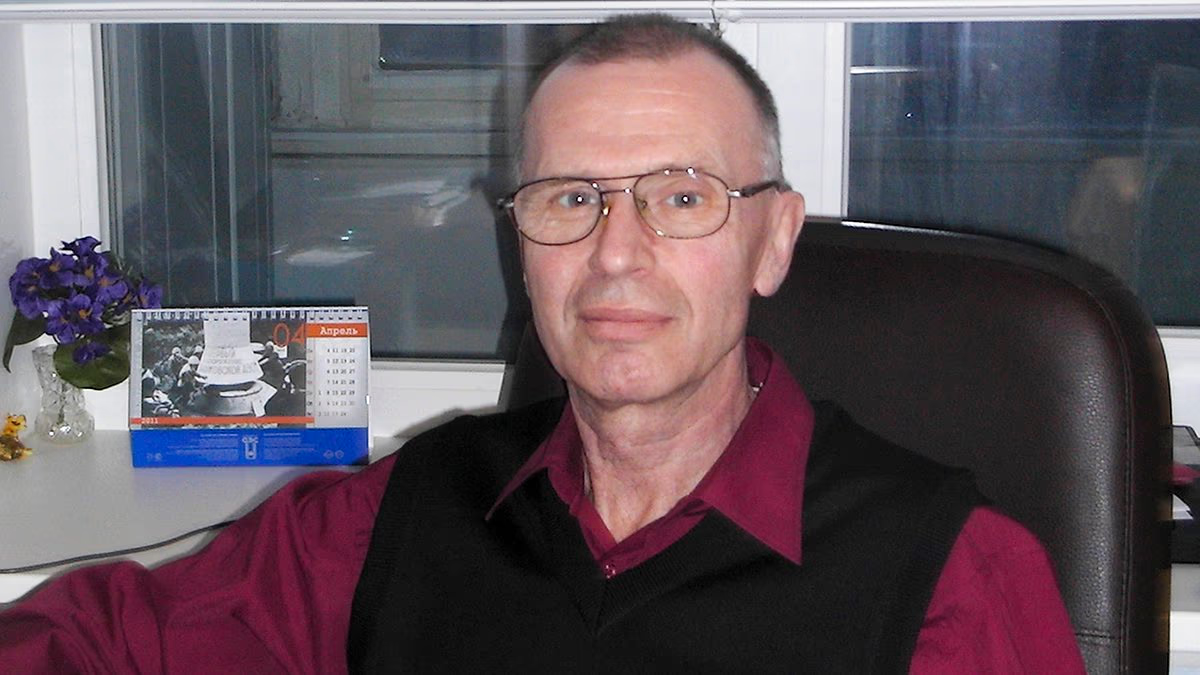
Vladimir Uglev, a prominent Russian scientist known for his role in the development of the Novichok nerve agent, has died. His contributions to chemical weapons research positioned him as a significant figure in discussions surrounding the use of such agents in modern conflicts. Uglev's death marks a notable moment in the history of chemical warfare, given the controversial nature of Novichok, which gained international notoriety following its alleged use in high-profile assassinations, including the poisoning of former Russian spy Sergei Skripal in the UK in 2018.
In the years leading up to his death, Uglev became increasingly vocal about his concerns regarding the Russian government's use of chemical weapons. He accused the Kremlin of orchestrating a 'state-level hit' in Britain, referencing the Skripal incident as a clear example of the dangers posed by Novichok. His allegations highlighted the ongoing tensions between Russia and the West, particularly in the context of chemical warfare and state-sponsored violence.S2
Uglev's passing raises questions about the future of discussions surrounding chemical weapons, especially as the international community grapples with the implications of their use in geopolitical conflicts. As a scientist who once collaborated on the very technology that has been weaponized, his insights into the ethical and practical ramifications of chemical warfare are now lost, leaving a complex legacy that intertwines scientific achievement with moral responsibility.S1S2