The brief
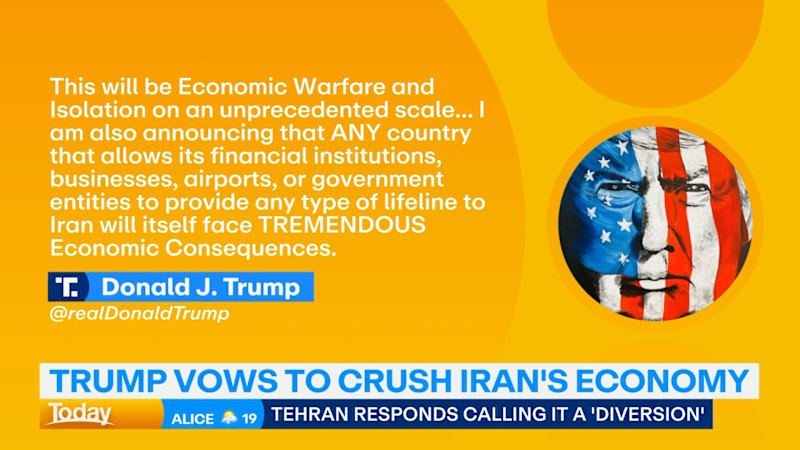
Iran is currently evaluating a peace proposal from the United States, despite significant disagreements and accusations of excessive demands from Washington.
Context
Negotiations have been ongoing since a ceasefire was established, but a permanent resolution has not yet been achieved.S1
Key points
- Iran's mission to the UN has criticized the US for its demands, claiming they threaten the peace talks.S2
- The US is reportedly preparing for potential military action if negotiations fail.S2
- Pakistan's army chief visited Tehran, indicating a potential diplomatic breakthrough.S2
- The Strait of Hormuz remains a focal point in the discussions, with access issues unresolved.S1
- The ongoing negotiations have not restored full access to the Strait since the ceasefire.S1
- Iran's leadership is under pressure to respond effectively to the US proposal.S2
- The situation reflects broader regional tensions involving multiple stakeholders.S2
- The peace talks are critical for regional stability and security in the Gulf.S1
Why it matters
- The outcome of these negotiations could significantly impact US-Iran relations and regional security.S2
- Failure to reach an agreement may escalate military tensions in the region.S2
- The involvement of Pakistan suggests a potential shift in regional diplomatic dynamics.S2
What to watch
- Monitor developments from the US regarding military preparations and diplomatic responses.S2
- Watch for further statements from Iranian officials on the peace proposal.S1
- Keep an eye on the role of Pakistan and other regional players in the negotiations.S2