The brief
Iran's economy is increasingly reliant on exports to China as it faces mounting economic pressure and navigates challenges in maritime trade.
Context
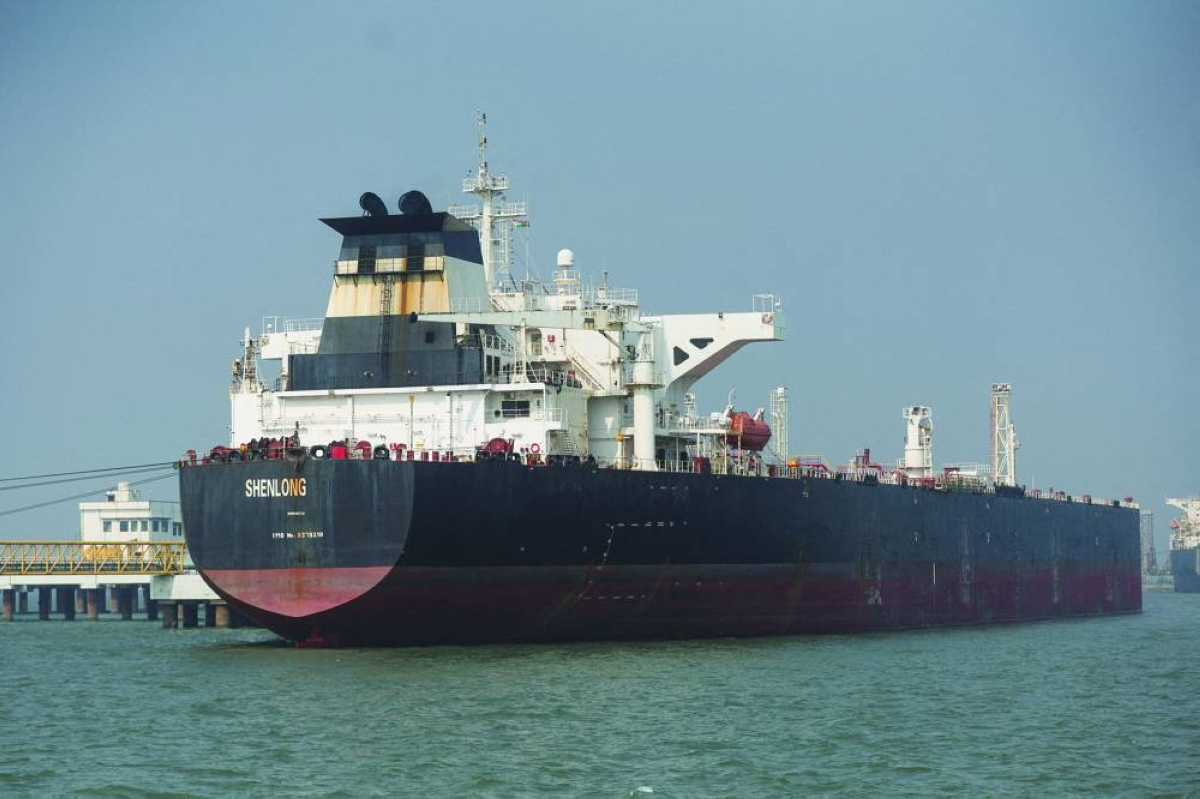
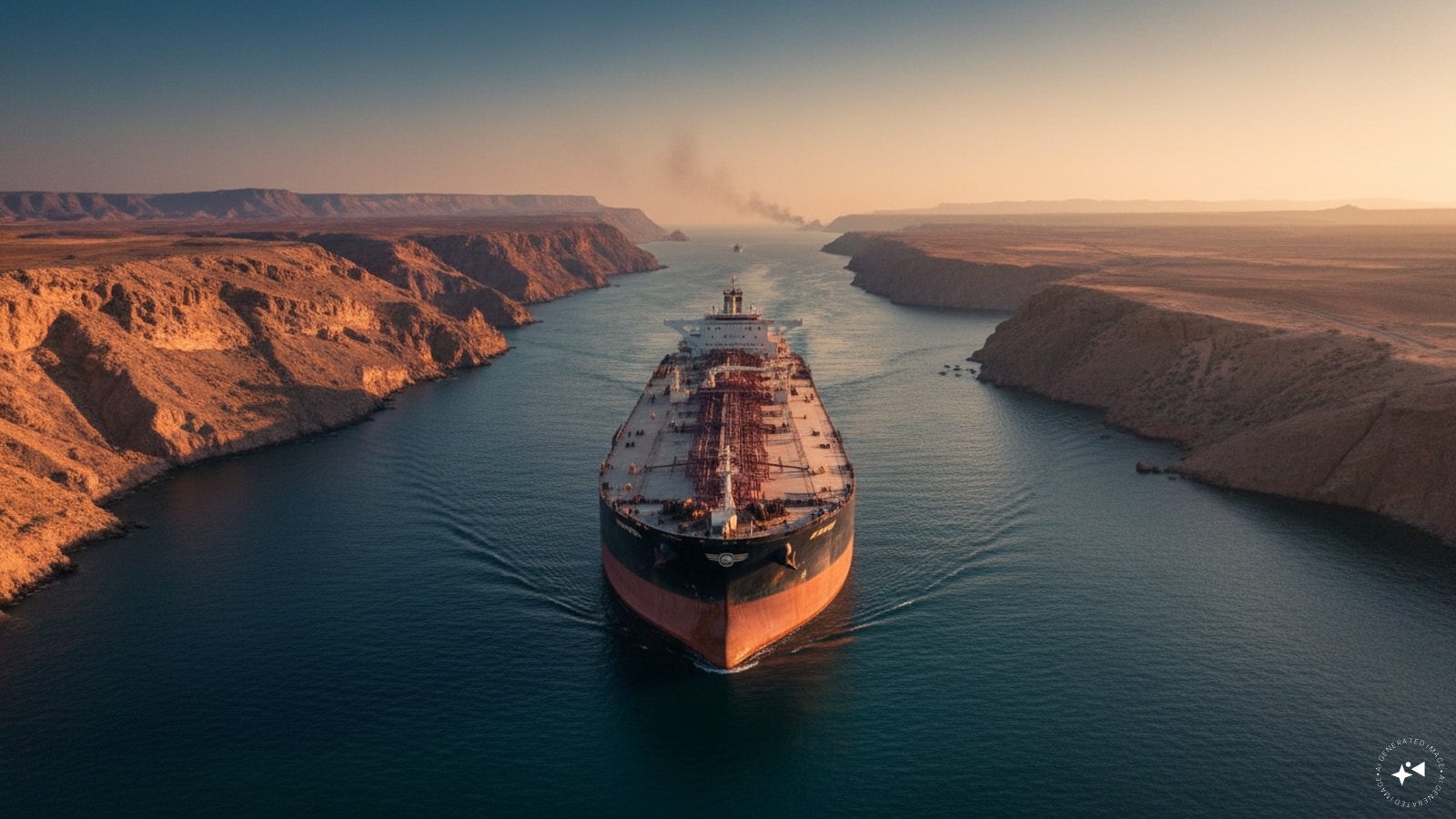
The Strait of Hormuz is a critical shipping route for global oil trade, and Iran's actions to choke off shipping through this passage have significant implications for its economy and international relations.S1S2
Key points
- Iran is blocking shipping through the Strait of Hormuz, a vital maritime trade route.S1S2
- This blockade is part of Iran's strategy to exert pressure amid economic challenges.S1S2
- The move to restrict maritime trade also adversely affects Iran's own economy.S1S2
- China is a key destination for Iranian exports, highlighting Iran's economic dependence.S1S2
- Economic pressure on Iran is intensifying due to its maritime policies.S1S2
- Iran's actions in the Strait of Hormuz could escalate tensions with other nations.S1S2
- The situation reflects broader geopolitical dynamics involving Iran and global trade.S1S2
- Iran's reliance on China underscores the shifting patterns in international trade relationships.S1S2
Why it matters
- Understanding Iran's economic strategies is crucial for assessing its geopolitical behavior.S1S2
- The implications of Iran's maritime actions extend beyond its borders, affecting global oil markets.S1S2
- Iran's dependence on China may influence future diplomatic and economic negotiations.S1S2
What to watch
- Monitor developments in the Strait of Hormuz and their impact on global shipping.S1S2
- Watch for potential responses from other nations regarding Iran's maritime policies.S1S2
- Keep an eye on the evolving trade relationship between Iran and China.S1S2