The brief
Negotiations between the United States and Iran are poised to move forward following a preliminary deal, with expectations of an easier second phase of talks, according to President Trump.
Context
The discussions are part of ongoing efforts to address tensions between the two nations, with a focus on reaching a comprehensive agreement after initial agreements are finalized.S1
Key points
- Iran's foreign minister announced that new negotiations with the U.S. will begin immediately after a preliminary deal is signed.S1
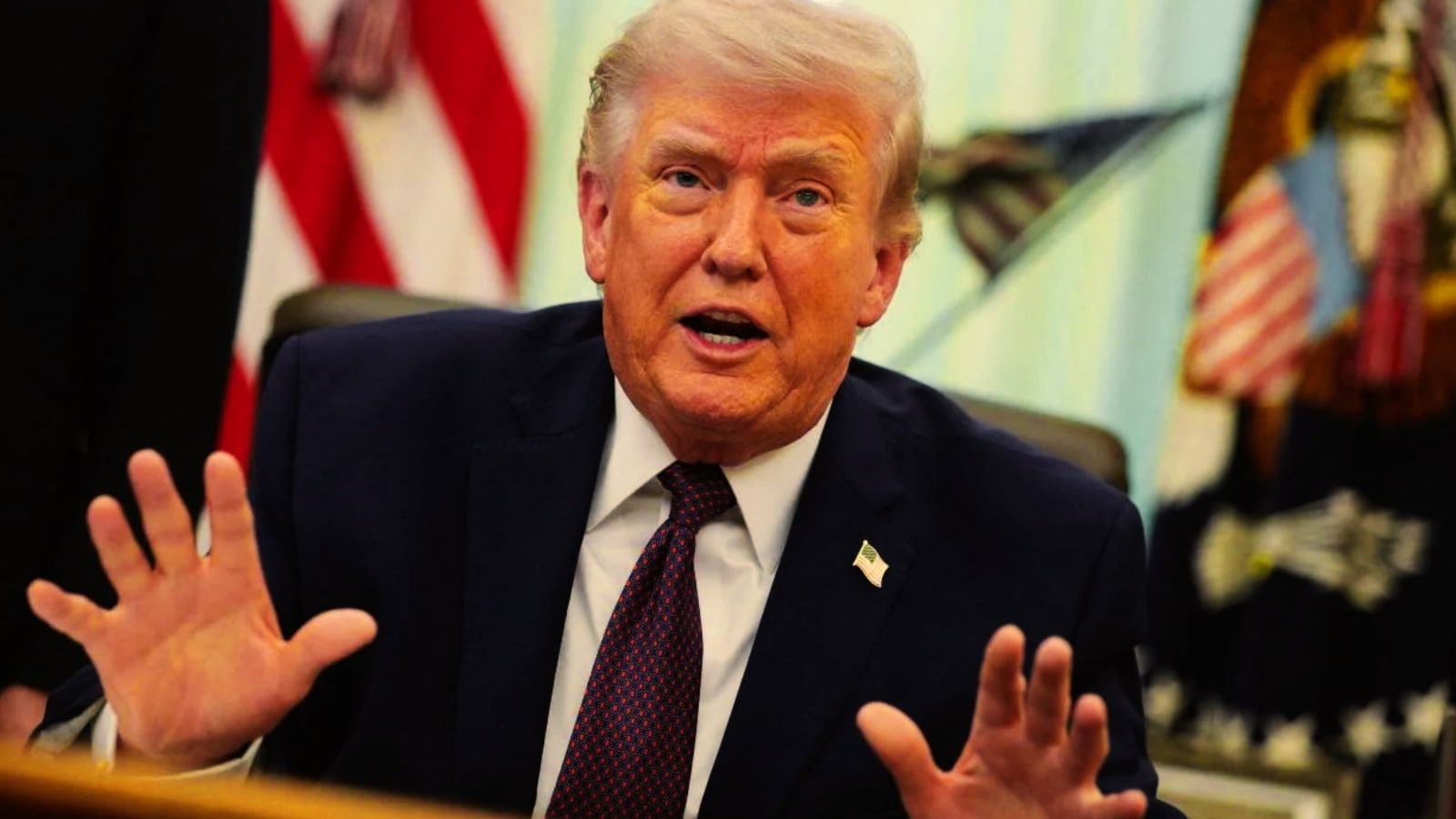
- President Trump expressed optimism that the next phase of talks would be easier than the first round.S2
- The preliminary deal is part of a broader strategy to de-escalate tensions between the U.S. and Iran.S1
- Trump's comments were made during a meeting with the emir of Qatar on the sidelines of the G7 summit.S2
- The U.S. aims to move the conflict with Iran into the past, according to Trump's statements.S1
- The negotiations are expected to address key issues that have strained U.S.-Iran relations.S1
- The Memorandum of Understanding is a significant step in the diplomatic process between the two countries.S2
- Future talks may focus on broader regional security concerns and nuclear issues.S1
Why it matters
- Advancing negotiations could lead to a reduction in hostilities and improve regional stability.S1
- Easier negotiations may facilitate a quicker resolution to longstanding issues between the U.S. and Iran.S2
What to watch
- Monitor the signing of the preliminary deal and the immediate reactions from both sides.S1
- Watch for updates on the timeline and agenda for the next round of negotiations.S2
- Observe how regional allies, such as Qatar, respond to the evolving diplomatic landscape.S2