The brief
Discussions are underway regarding a potential deal to reopen the Strait of Hormuz, which could significantly impact global oil supply.
Context
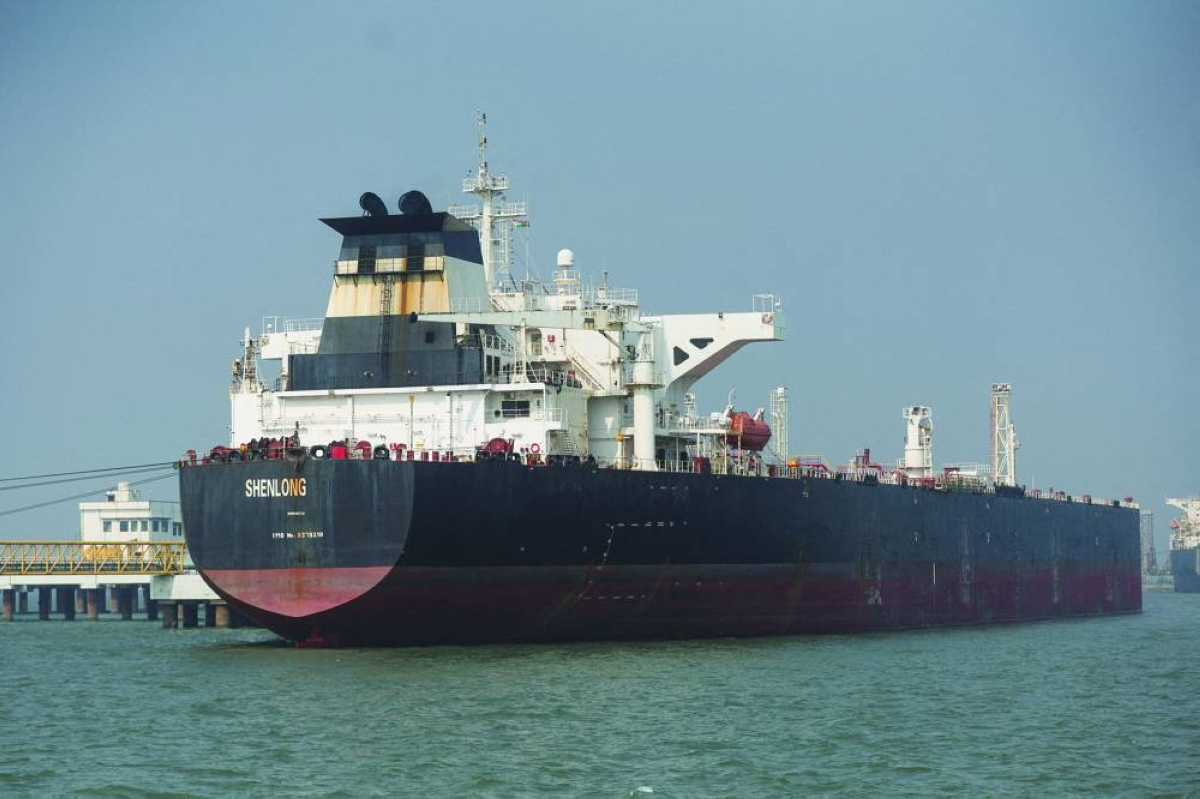
The Strait of Hormuz is a critical passage for oil tankers, and its closure has raised concerns about global oil prices and supply chains.S1S2
Key points
- Oil prices have eased amid hopes for a deal to reopen the strait.S1
- The Trump administration has previously rejected any deal that would grant Iran control over the strait.S2
- The strait was considered an open international waterway prior to recent conflicts.S2
- The potential deal is seen as a response to rising tensions in the region.S1
- Reopening the strait could facilitate the delivery of crude oil globally.S1
- The discussions are part of broader geopolitical negotiations involving the U.S. and Iran.S2
- The situation remains fluid, with various stakeholders involved in the negotiations.S1
- The outcome could have significant implications for global energy markets.S1
Why it matters
- The Strait of Hormuz is a vital route for oil shipments, making its status critical for global energy security.S1
- Any agreement could stabilize oil prices and alleviate market concerns about supply disruptions.S1
- The negotiations reflect ongoing tensions and the complex geopolitical landscape in the Middle East.S2
What to watch
- Monitor developments regarding the negotiations and any official announcements from the Trump administration.S1
- Watch for reactions from Iran and other regional players regarding the potential deal.S2
- Keep an eye on fluctuations in oil prices as news unfolds about the strait's status.S1