The brief
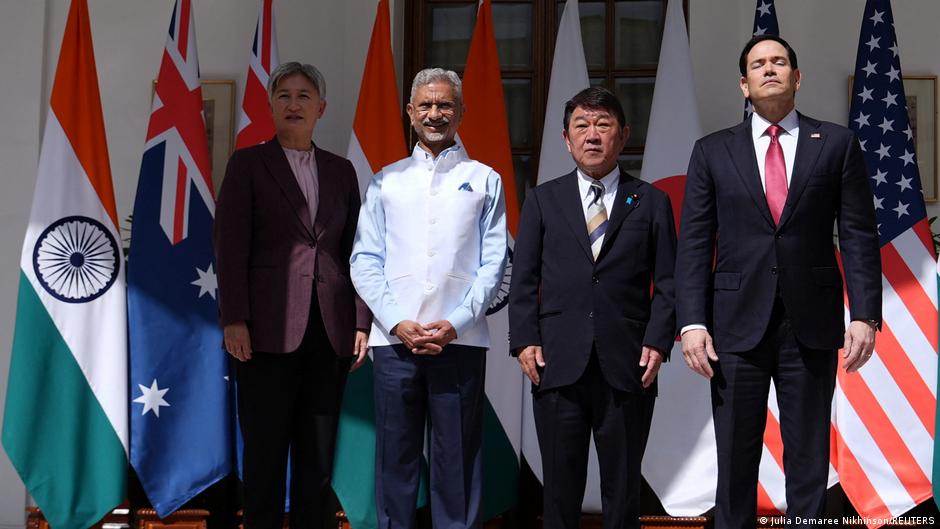
The United States, India, Japan, and Australia have reached an agreement to conduct joint surveillance of maritime operations in the Indo-Pacific region.
Context
This initiative aims to strengthen the presence of these nations in the Indo-Pacific, a region of increasing geopolitical significance.S1S2
Key points
- The agreement involves coordinated maritime surveillance efforts among the Quad nations.S1S2
- The Quad nations are focused on asserting dominance over the Indo-Pacific waters.S1S2
- This move reflects growing concerns about regional security and stability.S1S2
- The agreement comes as India marks 12 years of leadership under Prime Minister Modi.S1S2
- The Quad partnership emphasizes collaboration on security and defense matters.S1S2
- Joint surveillance is seen as a response to increasing maritime challenges in the region.S1S2
- The initiative may influence the strategic dynamics among regional players.S1S2
- The Quad nations aim to enhance their collective capabilities in maritime operations.S1S2
Why it matters
- Strengthening maritime surveillance could deter aggressive actions from other regional powers.S1S2
- The Quad's collaboration highlights the importance of multilateral security arrangements in the Indo-Pacific.S1S2
- This initiative may lead to increased military cooperation among the Quad nations.S1S2
What to watch
- Monitor developments in the Quad's maritime operations and their impact on regional security.S1S2
- Watch for responses from China regarding the Quad's surveillance efforts.S1S2
- Observe how this agreement influences other alliances in the Indo-Pacific region.S1S2