The brief
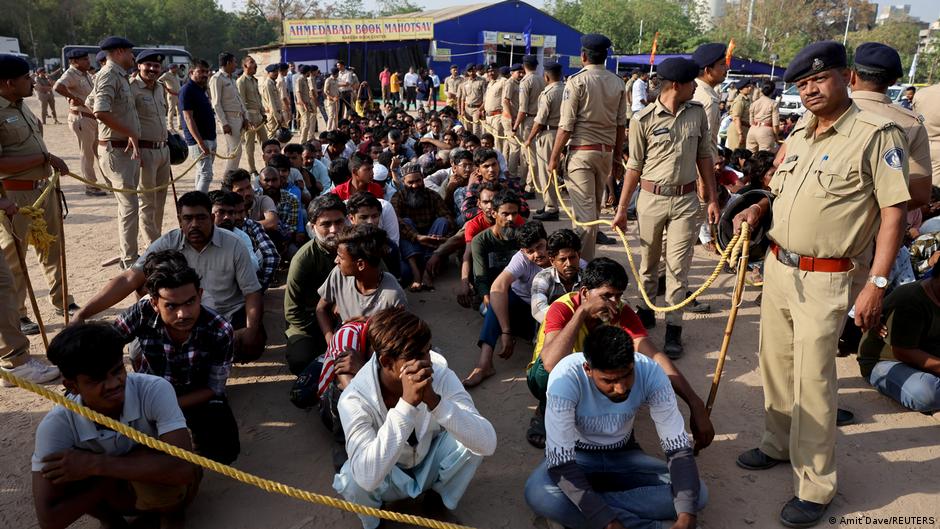
The deportation of thousands from West Bengal has sparked human rights concerns and strained relations with Bangladesh.
Context
The deportations are part of a broader policy initiative by the Indian government under Prime Minister Modi, aimed at fulfilling campaign promises regarding illegal immigration.S1S2
Key points
- The deportations are seen as a fulfillment of a key promise made by Prime Minister Modi.S1S2
- Concerns have been raised regarding the human rights implications of these deportations.S1S2
- The process has led to tensions between India and Bangladesh over verification and repatriation procedures.S1S2
- Critics argue that the deportations may violate international human rights standards.S1S2
- The situation reflects ongoing issues related to immigration policy in India.S1S2
- Local communities in West Bengal are divided over the deportation policy.S1S2
- The Indian government maintains that the deportations are necessary for national security.S1S2
- International organizations are monitoring the situation closely for potential human rights violations.S1S2
Why it matters
- The deportations could set a precedent for future immigration policies in India.S1S2
- Strained relations with Bangladesh may impact regional stability and cooperation.S1S2
- Human rights concerns could lead to international scrutiny of India's immigration practices.S1S2
What to watch
- Monitor developments in India-Bangladesh relations as the deportations continue.S1S2
- Watch for responses from human rights organizations regarding the treatment of deportees.S1S2
- Keep an eye on domestic reactions within West Bengal and broader India regarding the policy.S1S2