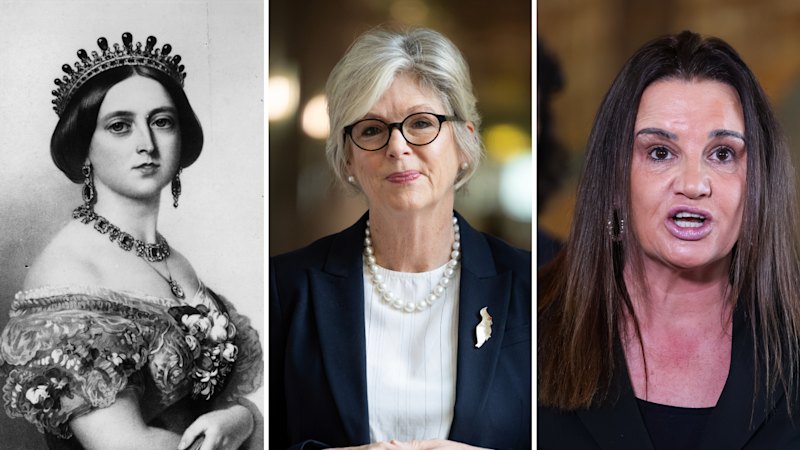
In recent discussions surrounding the challenges faced by women in leadership roles, figures like Jacqui Lambie and Helen Haines have emerged as poignant examples of the ongoing struggle for recognition and respect. Both politicians have highlighted the historical context that shapes contemporary perceptions of women's roles in society, suggesting that the issues they face are not merely modern dilemmas but deeply rooted in a long-standing tradition of expecting women to endure without complaint. This sentiment resonates with the historical figure of Queen Victoria, who, despite her power, often exemplified the constraints placed on women in her time.
Lambie and Haines have both articulated the frustrations that come with navigating a political landscape that frequently undermines women's contributions. Their experiences reflect a broader narrative about the systemic barriers women encounter, which are often compounded by societal expectations that demand they remain silent or submissive. This pattern of behavior is not new; rather, it echoes through history, suggesting a cultural reluctance to fully embrace women's leadership.S1S2
The conversation surrounding these issues is crucial, as it sheds light on the need for a cultural shift in how society perceives and supports women in leadership positions. As Lambie and Haines continue to advocate for change, their voices serve as reminders that the fight for equality is ongoing and that understanding the historical context is essential for addressing present challenges. Their commitment to this cause highlights the importance of not only recognizing but actively dismantling the barriers that have historically limited women's roles in leadership.S1S2