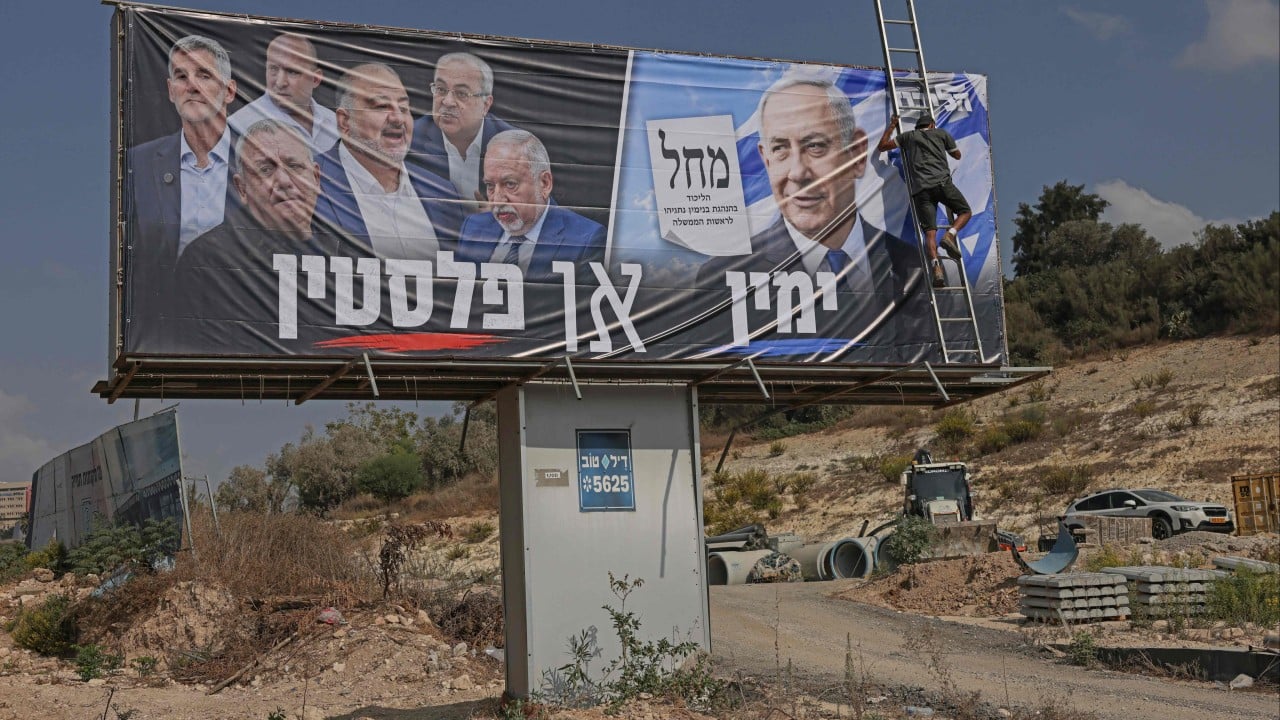
As the Israeli elections draw near, the political landscape has become increasingly charged, with campaigns intensifying in both rhetoric and tactics. Candidates and activists are resorting to poor-taste jibes and inflammatory attacks, often crossing ethical lines in their efforts to sway public opinion. This escalation is partly fueled by a surge in AI-generated images flooding social media, which are being used strategically to depict opponents as weak, untrustworthy, or detrimental to the nation, tapping into existing stereotypes and fears.
The current election cycle has seen a notable shift towards aggressive campaigning, with candidates leveraging social media platforms to disseminate misleading or derogatory content about their rivals. This trend reflects a broader strategy aimed at undermining the credibility of opponents rather than focusing on substantive policy discussions. As the election date approaches, the atmosphere is charged with animosity, raising concerns about the potential impact on voter sentiment and the overall democratic process in Israel.S1S2
The implications of such tactics are significant, as they not only shape public perception but also risk deepening divisions within the electorate. The use of AI technology in political campaigns marks a new frontier in electioneering, where misinformation can spread rapidly and influence opinions in real-time. As the candidates prepare for the final stretch of their campaigns, the focus appears to be less on policy and more on discrediting opponents, a trend that could have lasting effects on the political climate in Israel.S1S2