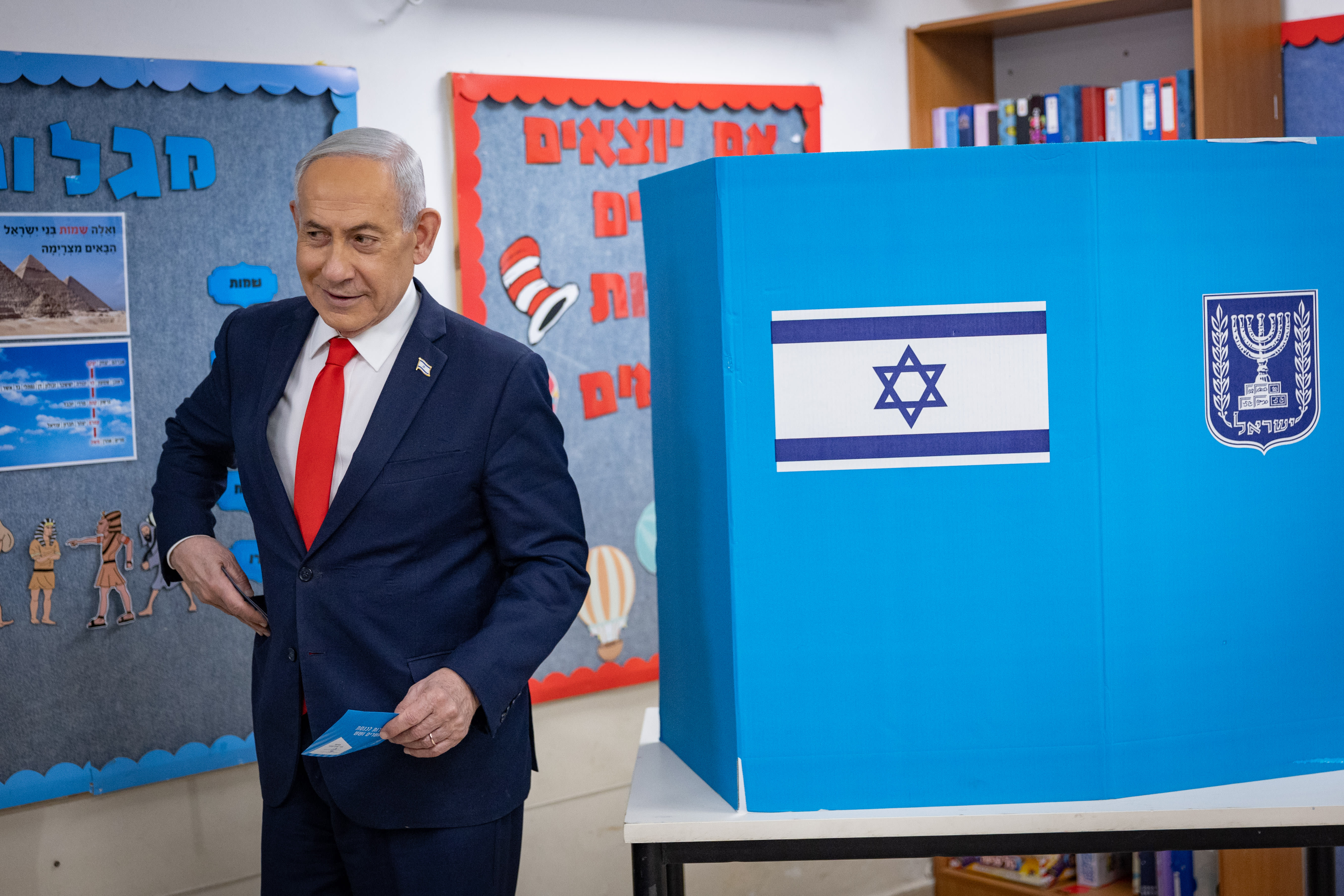
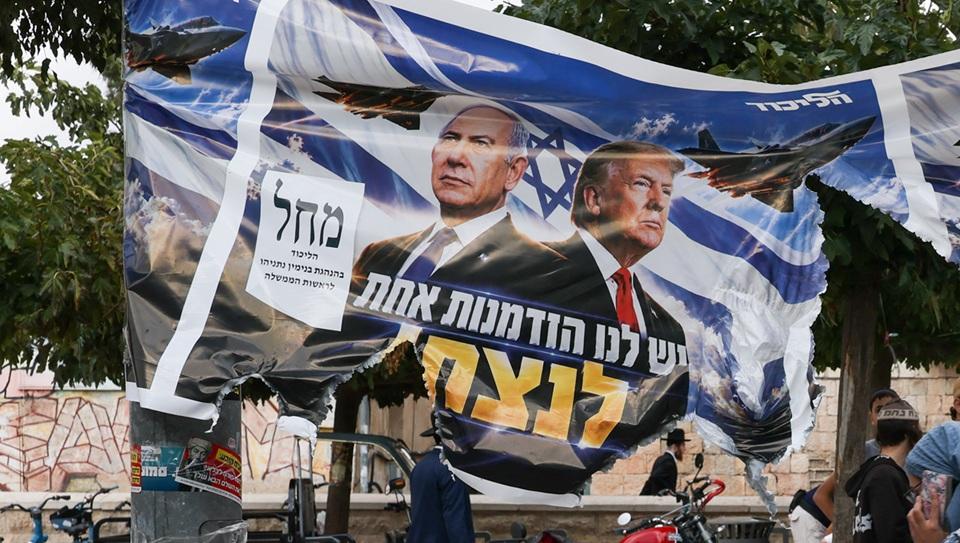
In a provocative move just two days before the elections, Israeli Prime Minister Benjamin Netanyahu shared an AI-generated image depicting a nuclear explosion over Tel Aviv. The post, which appeared on his Instagram account, was intended to underscore the perceived threat posed by Iran's nuclear ambitions, illustrating a dramatic mushroom cloud towering over the city and engulfing buildings below. This alarming visual has drawn significant attention and criticism from various political figures, particularly from opposition leaders Yair Golan and Gadi Eisenkot, who accused Netanyahu of exploiting fear as a campaign tactic to sway voters ahead of the upcoming elections.
The image's stark portrayal of destruction has raised eyebrows not only for its content but also for the timing of its release. Critics argue that such sensationalism undermines serious discussions about national security and could be seen as a desperate attempt to rally support during a contentious election period. Golan and Eisenkot's remarks highlight a growing concern among opposition parties regarding the ethical implications of using fear-driven narratives in political campaigning, especially when it involves national security issues that resonate deeply with the public.S1
As the elections approach, the debate over Netanyahu's tactics is likely to intensify, with both sides gearing up for a contentious showdown. The implications of using AI-generated imagery in political discourse may also spark broader discussions about the role of technology in shaping public perception and the responsibilities of leaders in presenting information to their constituents. With the election date fast approaching, the focus will remain on how these strategies impact voter sentiment and the overall electoral landscape in Israel.S2