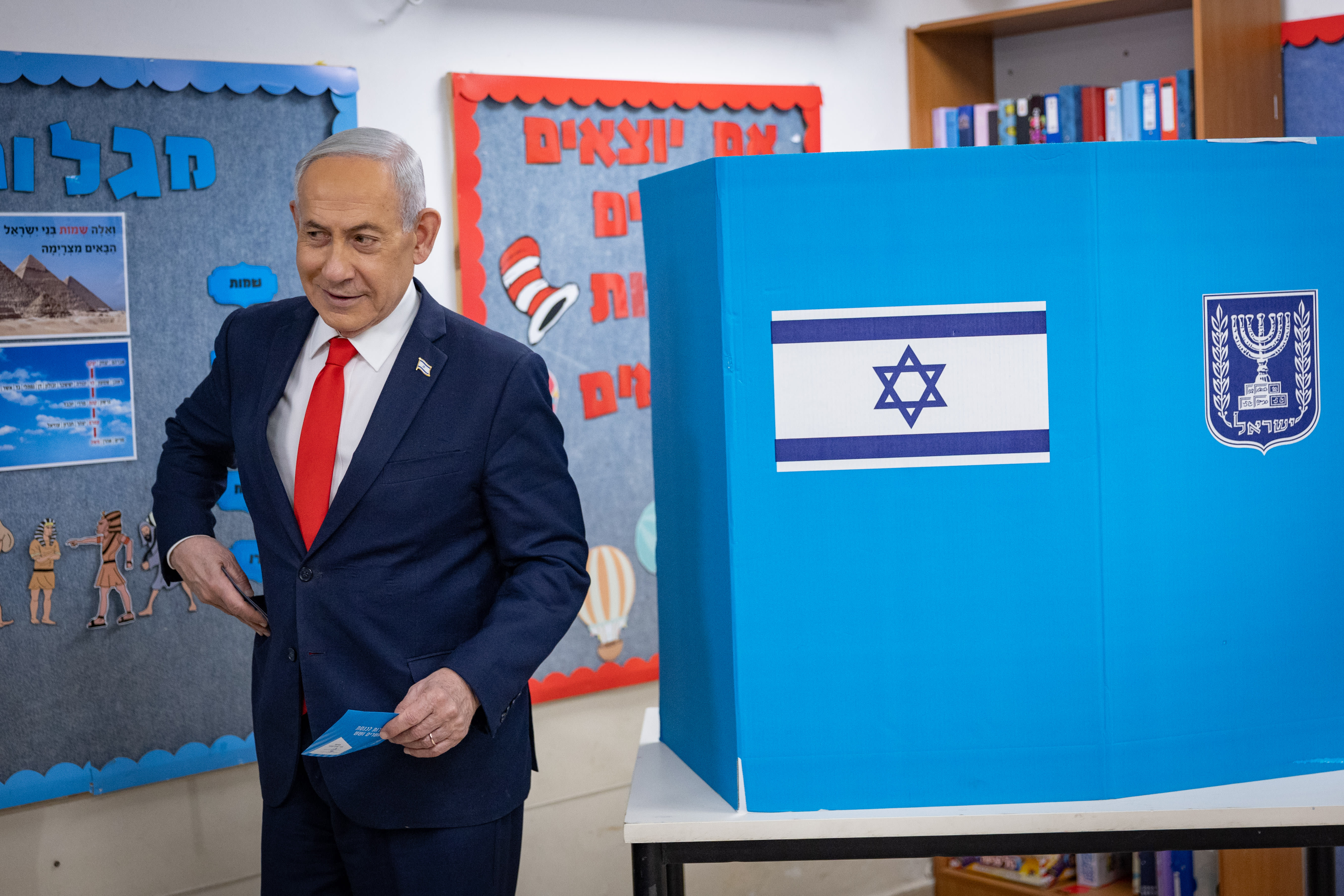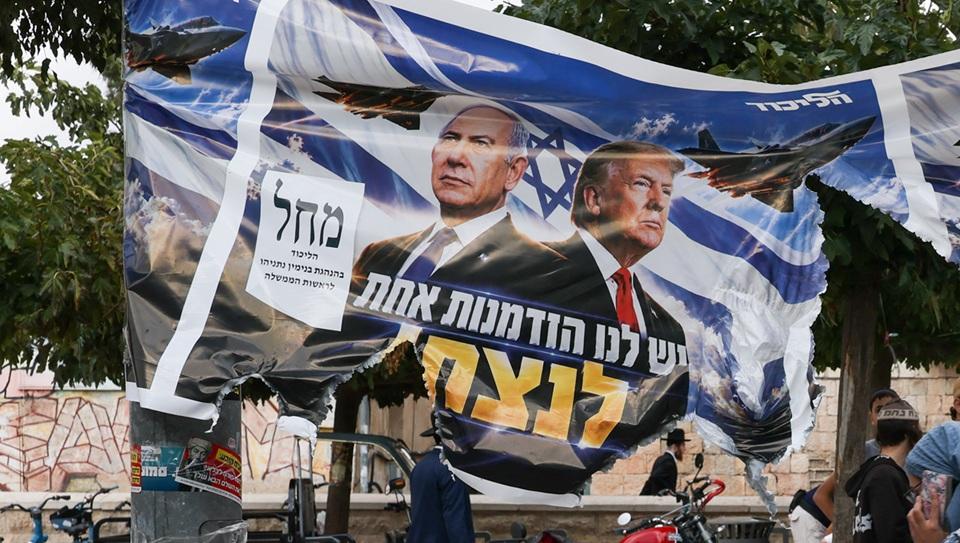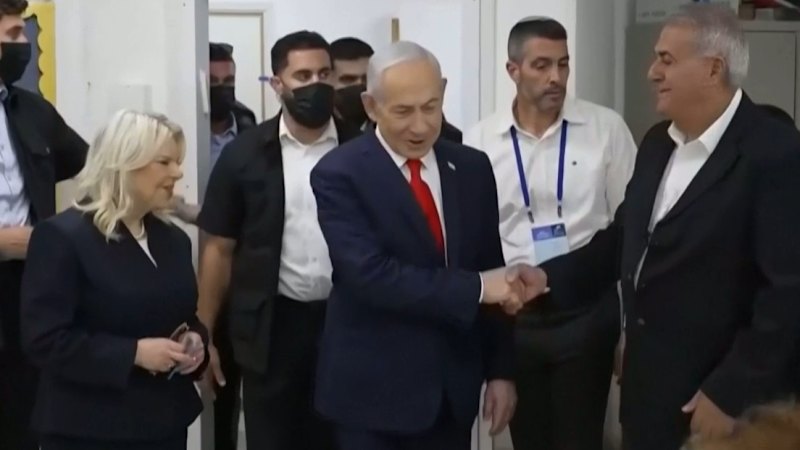
As Israel heads to the polls, Prime Minister Benjamin Netanyahu finds himself in a precarious position, battling for his political survival amidst a backdrop of heightened tensions. The election has witnessed a record turnout, reflecting the electorate's engagement in a pivotal moment for the nation. Netanyahu's leadership has been scrutinized, and the outcome of this election could significantly impact the future of his administration and the political landscape in Israel.
The stakes are particularly high for Netanyahu, as he faces opposition not only from rival political factions but also from within his own party, where dissent has been growing. The election is seen as a referendum on his controversial policies and governance style, which have drawn both support and criticism from various segments of Israeli society. Voter turnout is being closely monitored, with early reports indicating a significant participation rate, underscoring the urgency and importance of this electoral process.S1S2
In this context, the election results are expected to shape not only the immediate political environment but also Israel's long-term policies, particularly regarding security and relations with neighboring regions. As the votes are cast and counted, the implications of the election will resonate beyond the borders of Israel, influencing international perceptions and diplomatic relations.S1S2