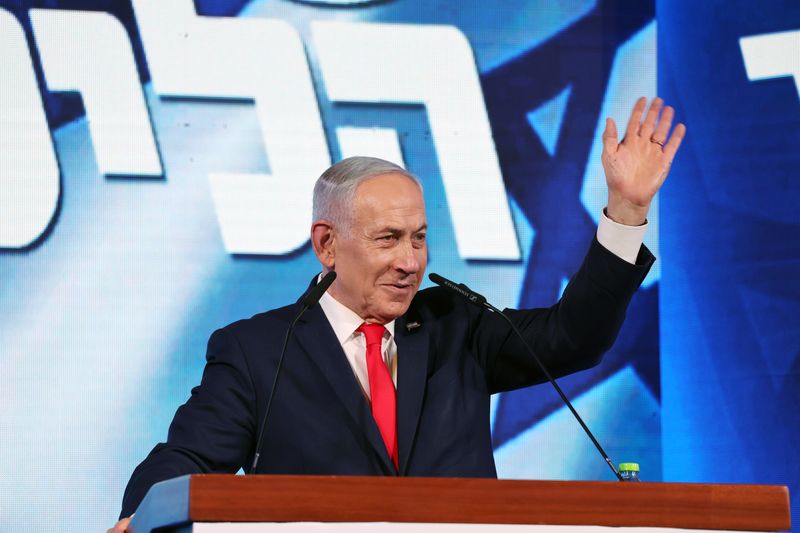
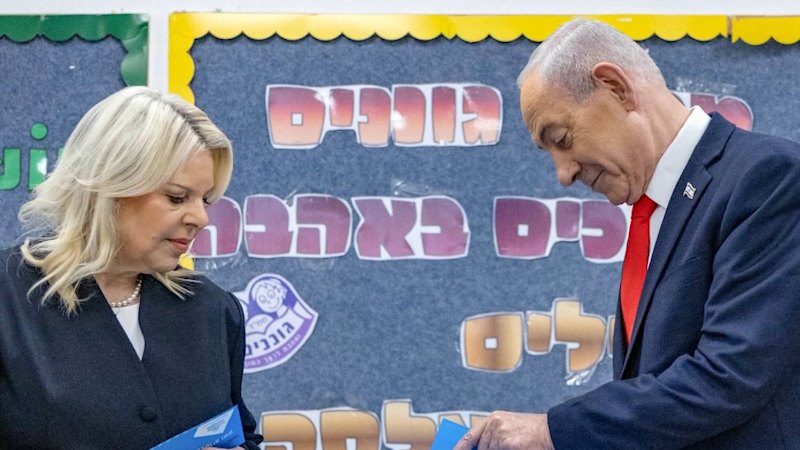
In the aftermath of Israel's recent elections, the political landscape appears to be shifting, with the opposition bloc, led by Gadi Eisenkot, taking a slight edge over Prime Minister Benjamin Netanyahu's Likud party. The opposition bloc secured 53 seats in the Knesset, while Netanyahu's Likud is projected to have 50 seats, making it the largest single party with an estimated 24 to 25 seats. However, Eisenkot's Yashar party is positioned to form a coalition more easily, with projections indicating they could garner between 21 to 23 seats, highlighting a potential pathway to governance that Netanyahu may struggle to replicate.
Voter turnout for this election was notably high, approaching record levels with nearly 78% participation reported by 10 p.m. local time. This surge in voter engagement reflects a significant public interest in the electoral process, which may have implications for future political dynamics in Israel. The high turnout is indicative of a populace eager for change, particularly in light of the ongoing challenges faced by Netanyahu's administration, including economic and security issues that have dominated public discourse.S3
As the results continue to be finalized, the focus now shifts to coalition-building efforts. Eisenkot's ability to navigate these negotiations will be crucial in determining whether he can successfully unseat Netanyahu and lead a new government. The coming days are expected to be pivotal as party leaders engage in discussions to form alliances, which will ultimately shape the future of Israeli politics.S2