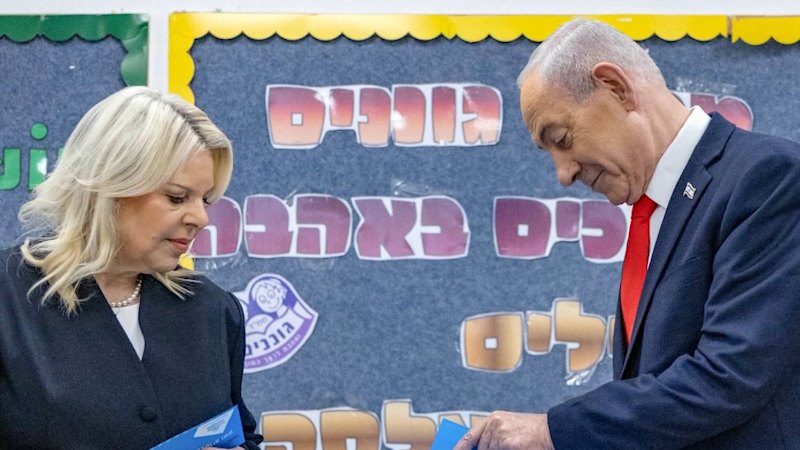
In a significant political development, Israel's wartime election results have emerged as a deadlock, according to exit polls released on October 27. The polls indicate that Gadi Eisenkot's opposition bloc is running neck and neck with Prime Minister Benjamin Netanyahu's camp, creating a scenario where neither side appears to have a clear path to forming a government. This uncertainty comes at a time when the nation is grappling with the challenges of ongoing conflict, which has heightened the stakes of the election.
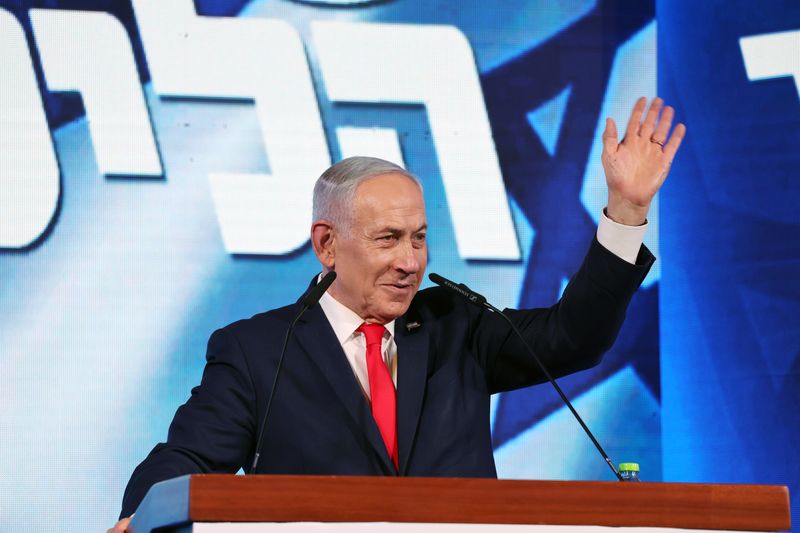
As the results unfold, Netanyahu has called for the formation of a strong right-wing national government, emphasizing the need for stability in the face of ongoing security concerns. His appeal reflects a broader strategy to consolidate power and navigate the complexities of a divided electorate. The political landscape remains precarious, with both sides needing to strategize effectively to secure a governing majority amidst the deadlock revealed by the exit polls.S2
The implications of this electoral stalemate are profound, particularly given the backdrop of Israel's current wartime status, which may influence public sentiment and party dynamics moving forward. With no clear victor, the political future remains uncertain, and the next steps for both Netanyahu and Eisenkot will be crucial in determining how Israel navigates its governance during these tumultuous times.S1S2