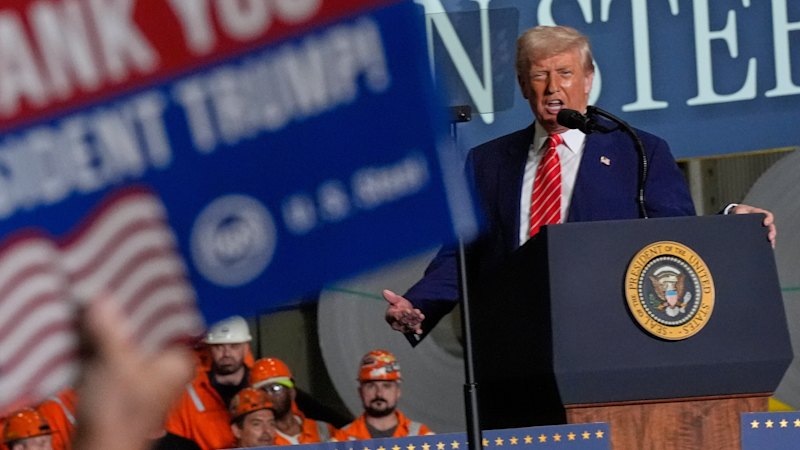
Donald Trump's tariffs on steel imports have significantly benefited steel producers in the United States, with BlueScope emerging as one of the key beneficiaries. The tariffs, aimed at protecting domestic manufacturing, have allowed companies like BlueScope to enjoy increased profits and market share. As a result, the company has reported a windfall that is a stark contrast to the broader economic implications of such trade policies, which are seen as detrimental to various sectors reliant on imported steel.
The impact of these tariffs has sparked a debate about their long-term effects on the economy. While BlueScope and other domestic producers celebrate the financial gains, critics argue that the tariffs create a ripple effect that could harm industries dependent on steel imports. This situation underscores a complex dynamic where the immediate benefits for certain companies can lead to broader economic challenges, particularly for manufacturers who rely on competitive pricing from imported materials.S1S2
As BlueScope continues to capitalize on this favorable market condition, the ongoing discourse around trade policies and their ramifications remains critical. The steel tariffs, implemented by the Trump administration, not only reshape the competitive landscape for steel producers but also raise questions about the sustainability of such protectionist measures in the face of global trade dynamics.S1S2