Story Israel

Israel Elections 2026: Coalition Challenges Ahead

Israel
The brief

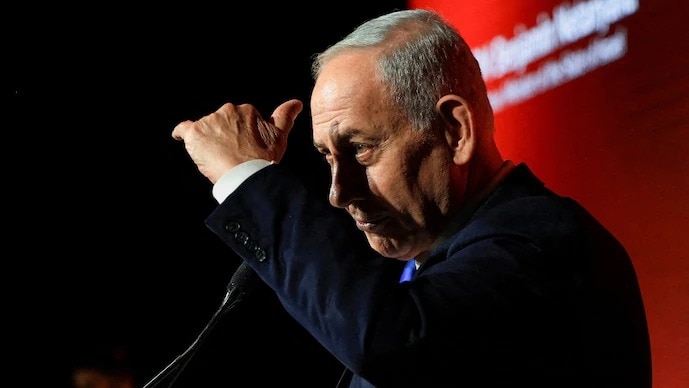
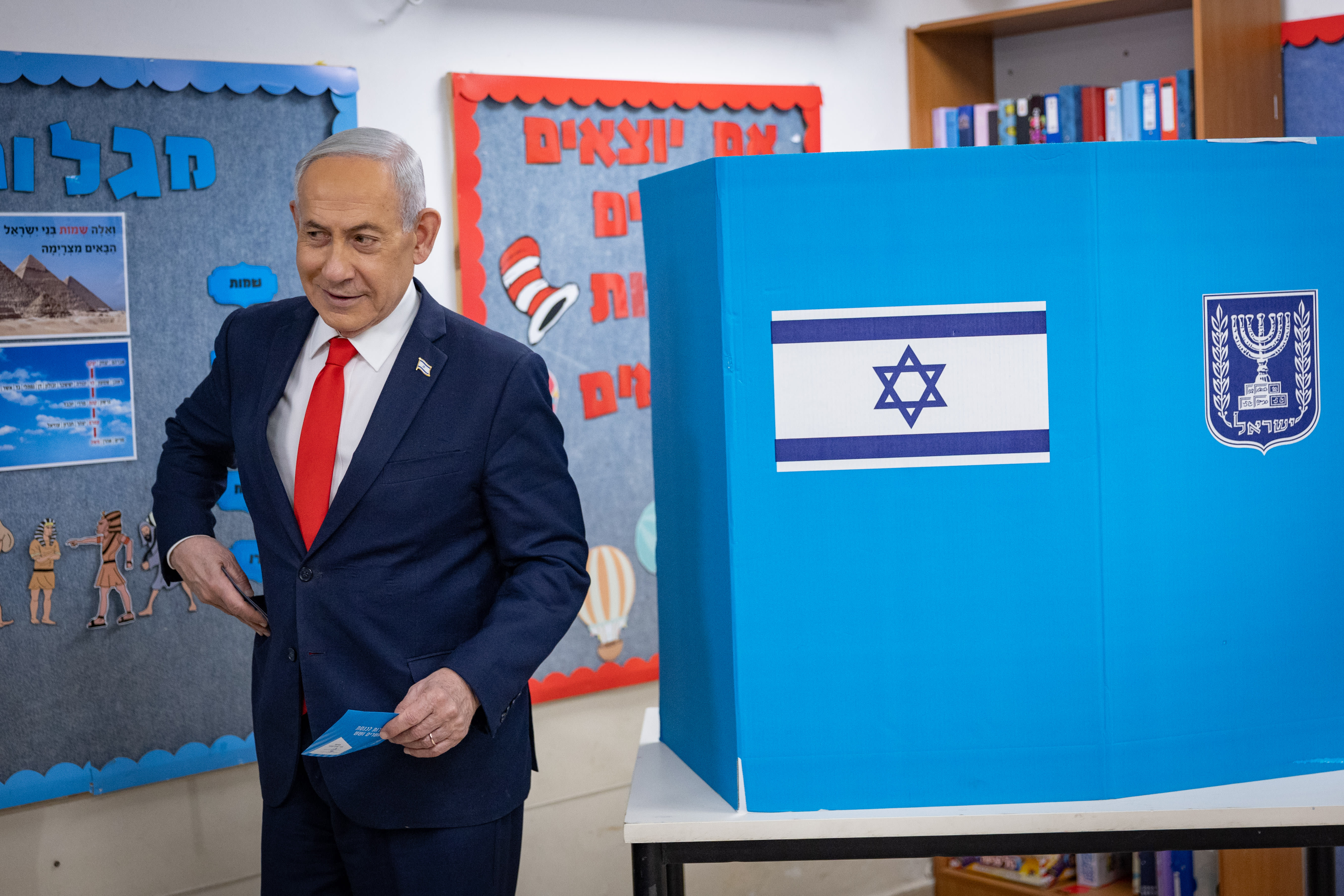
In a significant electoral event, Israelis participated in the 2026 elections with the highest voter turnout in decades, marking a pivotal moment in the nation’s political landscape. Initial exit polls indicated a competitive race between the opposition bloc, led by former army chief Gadi Eisenkot, and the coalition of incumbent Prime Minister Benjamin Netanyahu. The opposition is projected to secure between 52 and 53 seats, while Netanyahu’s bloc is expected to win around 50 seats, leaving both sides short of a majority, according to early projections from the country’s leading pollsters.

The elections also saw a notable rise in support for Israeli Arab parties, with exit polls suggesting they could win between 17 and 18 seats, a development that could significantly influence coalition negotiations. This shift reflects a changing dynamic in Israeli politics, where Arab representation may play a crucial role in the formation of the next government. The results underscore the fragmented nature of the Knesset, as no single party or bloc appears poised to form a government without the need for alliances.S2

As the political landscape evolves, the focus now shifts to coalition-building efforts. With no party achieving a clear majority, the next government will depend on negotiations among various factions. Gadi Eisenkot has expressed the need for an additional 11 seats to solidify his position, indicating the complexities ahead for both him and Netanyahu as they seek to navigate the intricate web of alliances necessary to govern effectively. The coming days will be critical as parties assess their options and strategize for potential coalitions.S1S2
Timeline · newest first
2d Inquirer

Israel's elections: What happens next?

JERUSALEM — Israelis went to the polls in the highest turnout for decades on Tuesday, with initial exit polls showing a slight edge but no majority for the opposition, meaning the…

Israel Elections 2026: Coalition Challenges Ahead

2 outlets 2 reports
The brief

In a significant electoral event, Israelis participated in the 2026 elections with the highest voter turnout in decades, marking a pivotal moment in the nation’s political landscape. Initial exit polls indicated a competitive race between the opposition bloc, led by former army chief Gadi Eisenkot, and the coalition of incumbent Prime Minister Benjamin Netanyahu. The opposition is projected to secure between 52 and 53 seats, while Netanyahu’s bloc is expected to win around 50 seats, leaving both sides short of a majority, according to early projections from the country’s leading pollsters.

The elections also saw a notable rise in support for Israeli Arab parties, with exit polls suggesting they could win between 17 and 18 seats, a development that could significantly influence coalition negotiations. This shift reflects a changing dynamic in Israeli politics, where Arab representation may play a crucial role in the formation of the next government. The results underscore the fragmented nature of the Knesset, as no single party or bloc appears poised to form a government without the need for alliances.S2

As the political landscape evolves, the focus now shifts to coalition-building efforts. With no party achieving a clear majority, the next government will depend on negotiations among various factions. Gadi Eisenkot has expressed the need for an additional 11 seats to solidify his position, indicating the complexities ahead for both him and Netanyahu as they seek to navigate the intricate web of alliances necessary to govern effectively. The coming days will be critical as parties assess their options and strategize for potential coalitions.S1S2
Timeline · newest first

Sources · 2 citations

S1 Indiatoday 1 report · EN
S2 InquirerLead 1 report · EN