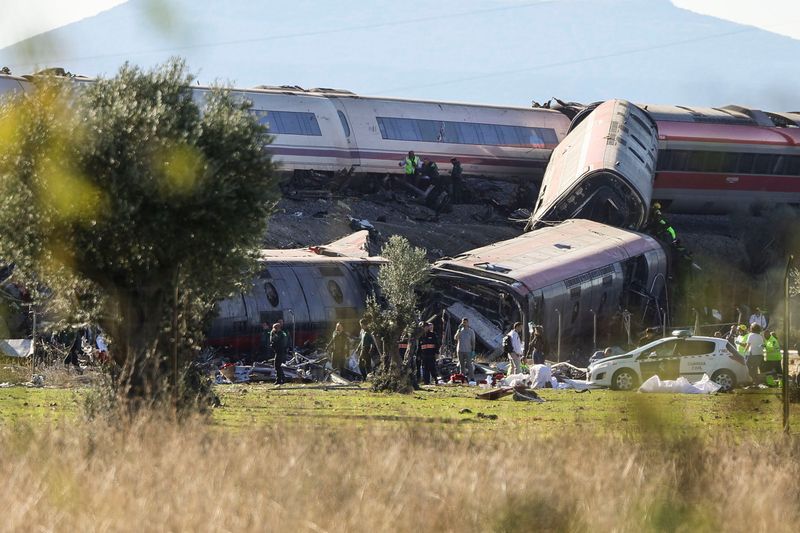
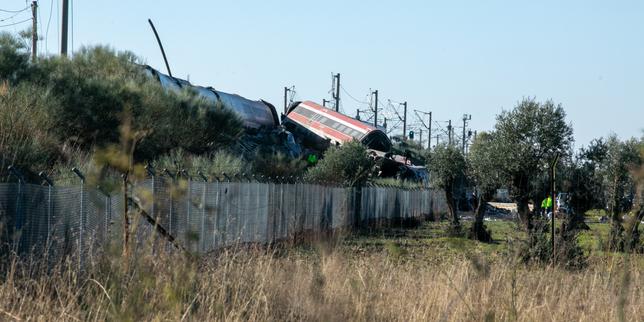
Spain has entered three days of mourning following a tragic high-speed train collision that resulted in the deaths of 68 people and left many others injured. The incident, which has shocked the nation, raises serious concerns regarding rail safety and management protocols in the country. This catastrophic event marks one of the deadliest railway accidents in recent memory, prompting an outpouring of grief and calls for accountability from the public and officials alike.
The collision has not only devastated families and communities but also reignited discussions about the safety measures in place on Spain's railways. As investigations begin, authorities are under pressure to ensure that such a tragedy does not happen again. The national mourning period is a time for reflection on the lives lost and the impact on survivors and their families, as well as a moment for the government to address the pressing issues surrounding rail safety in Spain.S1S2
In the wake of this disaster, officials are expected to face scrutiny over existing safety regulations and the management of high-speed rail services. The tragedy serves as a stark reminder of the potential dangers associated with rapid transit systems, and many are calling for immediate reforms to prevent future incidents. As the nation mourns, the focus will also shift to how the government responds to these renewed safety concerns and what measures will be implemented moving forward.S1S2