The brief
As Europe experiences a significant heatwave, various disinformation narratives are circulating, prompting fact-checking efforts to clarify the situation.
Context
The ongoing heatwave in Europe has led to the spread of misinformation regarding its causes and effects.S1S2
Key points
- An outdated air-conditioning law is being cited as a contributing factor to the heatwave's impact.S1S2
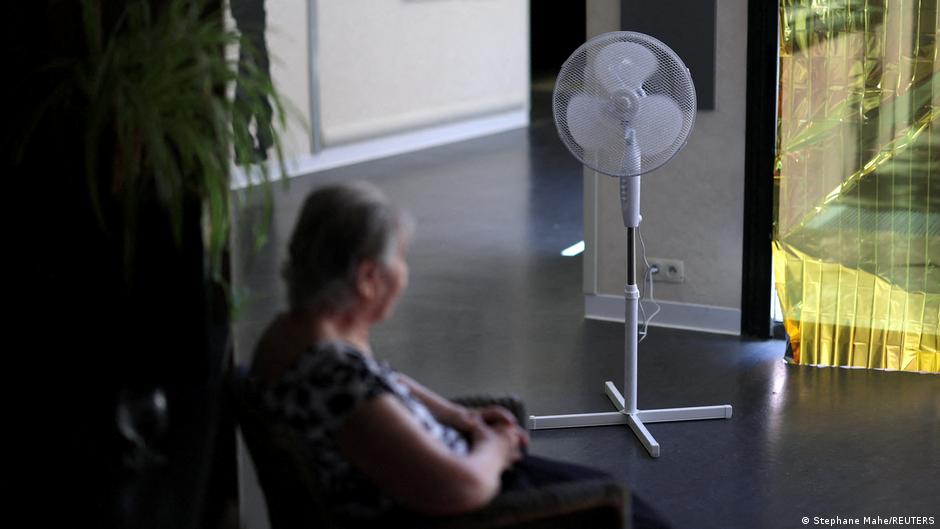
- A viral myth claims that sleeping with a fan on is harmful to health, which has been debunked.S1S2
- Allegations of climate change being a hoax continue to circulate despite scientific consensus.S1S2
- Fact-checking organizations are actively addressing these myths to provide accurate information.S1S2
- Public health officials are warning about the risks associated with extreme heat.S1S2
- Misinformation can exacerbate public anxiety during heatwaves.S1S2
- The spread of disinformation can hinder effective public health responses.S1S2
- Social media plays a significant role in the dissemination of these myths.S1S2
Why it matters
- Understanding the truth behind heatwave impacts is crucial for public safety.S1S2
- Addressing misinformation helps to mitigate panic and confusion among the public.S1S2
- Accurate information is essential for effective policy-making during climate events.S1S2
What to watch
- Monitor how public health responses evolve in light of ongoing heatwaves.S1S2
- Watch for further developments in fact-checking efforts against heatwave disinformation.S1S2
- Observe the role of social media in shaping public perceptions during climate events.S1S2