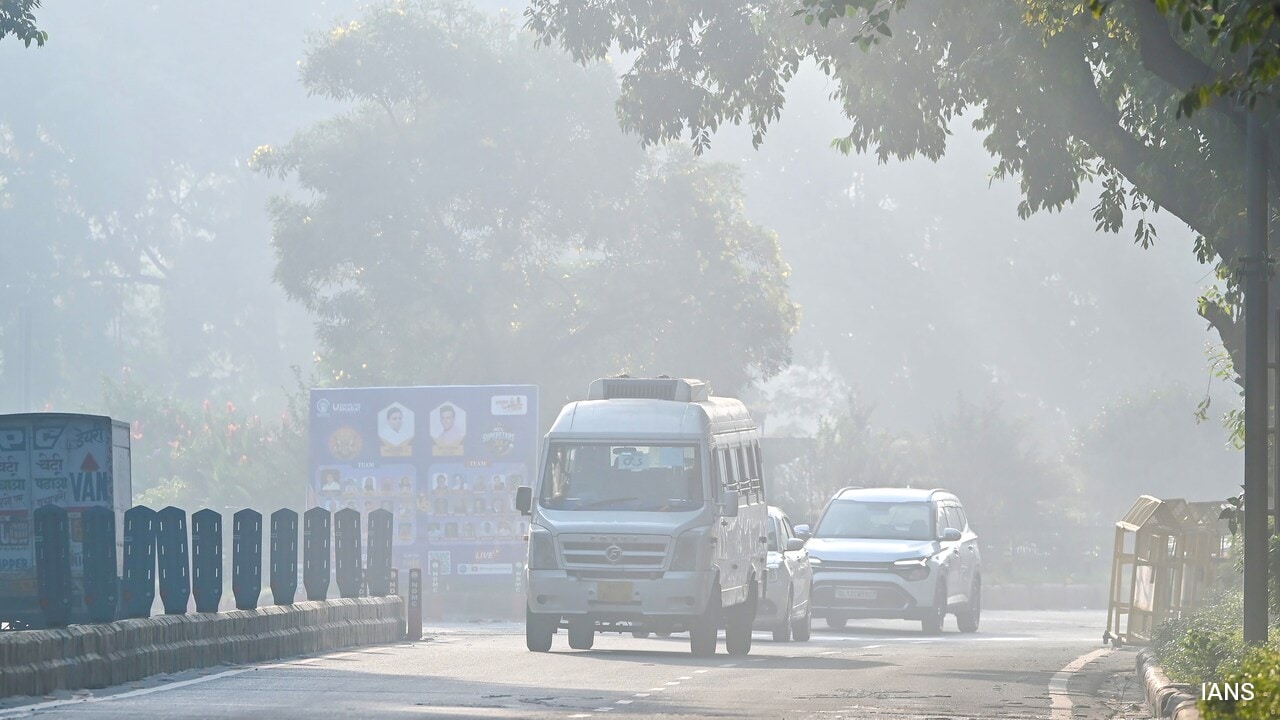
As of November 1, 2026, the weather phenomenon known as El Niño is escalating into a very severe event, with widespread implications for global agriculture and commodity prices. Reports indicate that essential crops such as maize and coffee are expected to be significantly affected due to the adverse weather conditions brought on by El Niño. This situation is likely to lead to increased consumer prices, particularly for sugar, as the upcoming planting season has been compromised by ongoing dry weather conditions.
In response to the anticipated challenges in the agricultural sector, the Indian government has taken proactive measures by extending duty-free imports of cotton until December 31, 2026. This decision aims to bolster supplies amid the expected disruptions caused by the severe weather patterns associated with El Niño. The collaboration between the Indian Council of Agricultural Research - Indian Agricultural Research Institute (ICAR-IARI) and ArcelorMittal Nippon Steel has also yielded promising results in utilizing iron ore to enhance agricultural productivity, indicating a multifaceted approach to tackling the impending agricultural crisis.S2
The ramifications of this severe El Niño event are expected to resonate beyond agriculture, potentially affecting various sectors and economies worldwide. As nations brace for the impacts, the interplay between weather, agriculture, and economic stability will be closely monitored by governments and organizations alike, highlighting the urgent need for adaptive strategies in the face of climate variability.S1S2