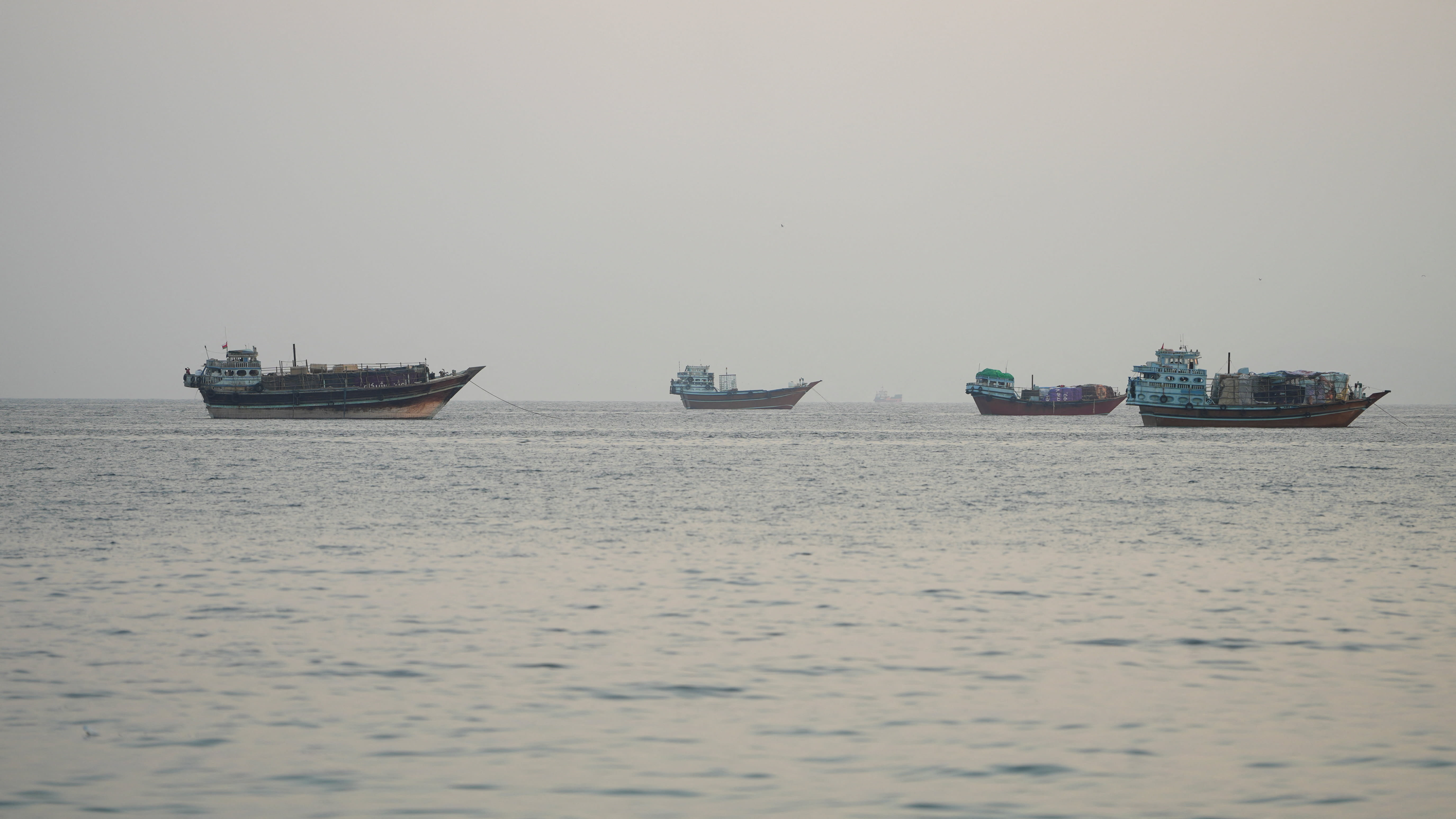
Oil prices have seen a notable increase following the U.S. military's recent strikes on Iran's Qeshm Island. The strikes, which occurred on Monday, were described by U.S. officials as a defensive operation aimed at protecting American assets in the region. This military action was reportedly a response to Iran firing at a U.S. aircraft, marking a significant escalation in tensions between the two nations.
The U.S. military's operation on Qeshm Island was characterized as limited in scope, yet it underscores the volatile nature of U.S.-Iran relations. The strikes were confirmed by three U.S. officials, who emphasized the defensive nature of the action. This incident comes at a time when the geopolitical landscape in the Middle East is already fraught with uncertainty, particularly concerning oil supply routes and energy security.S2
As a result of these developments, oil prices have climbed, reflecting market reactions to the heightened conflict potential in the region. The implications of the U.S. strikes could ripple through global oil markets, particularly as tensions with Iran often lead to concerns about disruptions in oil supply. Analysts will be closely monitoring the situation as further developments unfold, particularly regarding Iran's potential responses and the U.S. military's next steps in the region.S1