In a remarkable turn of events during the recent midterm elections, Democrats have successfully flipped two crucial Senate seats in North and South Carolina, marking a significant shift in the political landscape. Former North Carolina Governor Roy Cooper emerged victorious against Republican Michael Whatley, who was backed by former President Donald Trump. Cooper's campaign focused on addressing the rising costs of gas and groceries, alongside promises to tackle corruption and special interests. His victory is seen as a crucial gain for the Democrats as they aim to challenge the Republican majority in the Senate.
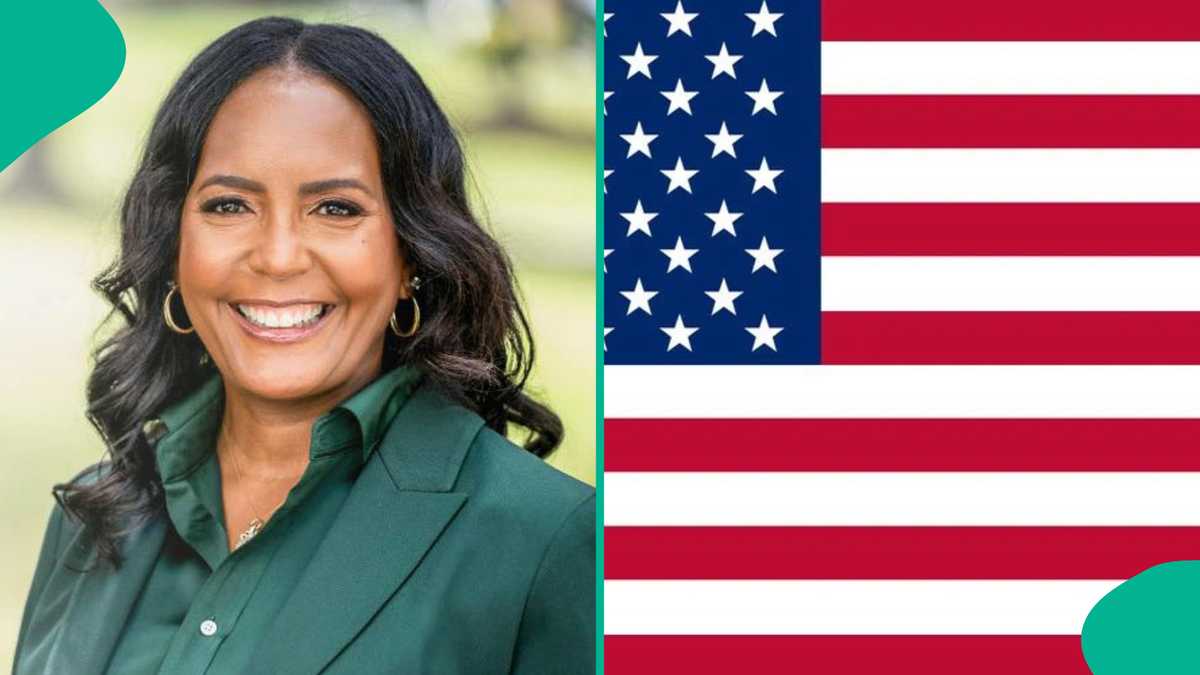
In South Carolina, Dr. Annie Andrews, a Democrat, narrowly defeated Senator Darline Graham, who had been appointed to fill the seat of her late brother, Lindsey Graham. This unexpected outcome was attributed to double-digit swings in several counties, reflecting a significant shift in voter sentiment. Andrews' win is particularly notable as it represents a substantial upset against a candidate who was heavily favored and supported by Trump, who had previously described her appointment as a 'fabulous tribute' to her brother.S3S4
The Democrats' gains in these states are part of a broader strategy aimed at securing a net gain of four seats to regain control of the Senate. Initial projections indicated that the party was also holding onto critical seats in Georgia and New Hampshire, further bolstering their position. The results from North and South Carolina were especially surprising, given the historical leanings of these states towards Republican candidates in recent elections. The Democratic Party's success in these races underscores a potential shift in voter priorities and sentiments ahead of the upcoming legislative session.S5S6
As the dust settles from the midterm elections, the implications of these victories extend beyond just the Senate's composition. With a strengthened Democratic presence, there is an expectation for renewed focus on key issues such as healthcare, the economy, and social justice reforms. The party's ability to capitalize on these wins will be critical as they navigate the complexities of governance and seek to implement their agenda in the face of a divided Congress. The results from North Carolina and South Carolina will likely serve as a bellwether for future elections, signaling changing dynamics within the electorate.S2S10