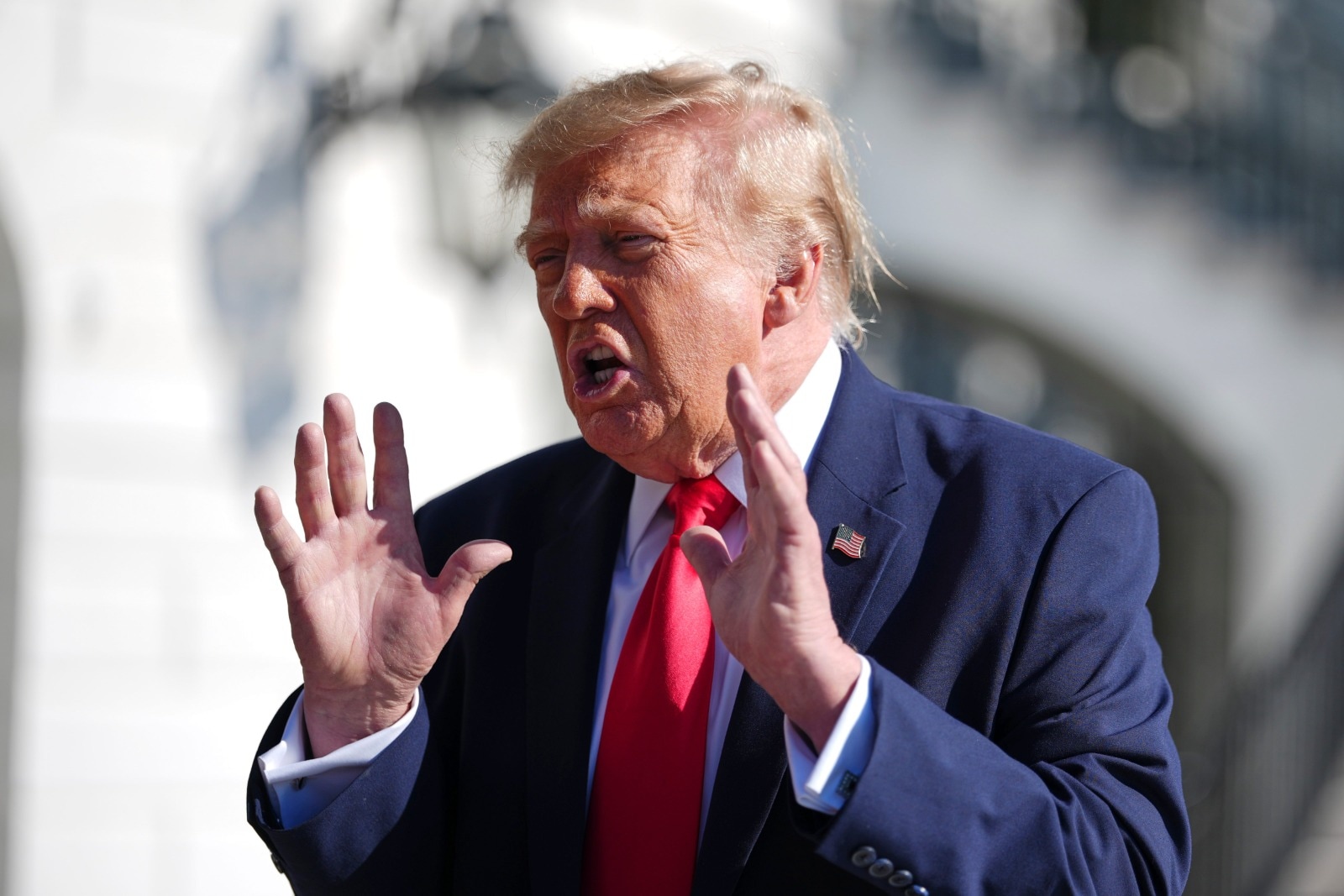
In the wake of the recent midterm elections, President Donald Trump has asserted that Republicans would have performed significantly better if he had been on the ballot. He urged his supporters to "pretend" he was running, suggesting that his presence could have swayed the election results in favor of the party. This claim comes as Republicans face a challenging political landscape, marked by low approval ratings for Trump and widespread discontent among voters regarding issues such as living costs and tariffs, as well as the ongoing US war against Iran.
The midterms served as a referendum on Trump's tumultuous second term, with many voters expressing their dissatisfaction over various economic and foreign policy issues. As Republicans grapple with the implications of their performance, Trump's narrative that his candidacy could have altered the outcome reflects his continued influence within the party, despite his approval ratings hovering near record lows. This situation poses questions about the future direction of the Republican Party and Trump's role in shaping it moving forward.S1
As the party analyzes the midterm results, Trump’s comments may resonate with a segment of the Republican base that still views him as a pivotal figure. However, the broader electorate's concerns, particularly around economic stability and international conflicts, may necessitate a reevaluation of strategies as the party prepares for upcoming elections. The dynamics of Trump's influence will likely be a focal point in discussions as Republicans seek to regain momentum.S2