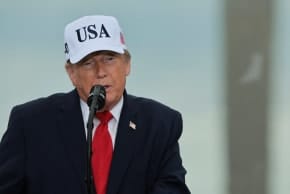
In a significant political shift, Democrats have gained control of Congress, propelled by widespread voter dissatisfaction over rising living costs and ongoing conflicts, particularly the war in Iran. This electoral outcome marks a stark rebuke of President Donald Trump and his administration, coming just two years after his notable return to the White House. The results reflect a growing sentiment among voters who are increasingly frustrated with the current economic climate and foreign policy decisions, showcasing a dramatic change in the political landscape.
With their newfound majority, Democrats are poised to leverage their power to scrutinize both President Trump and major technology companies. The midterm elections have granted them the ability to issue subpoenas, potentially leading to investigations that could impact Trump's policies and the operations of Big Tech firms. This development signals a shift towards a more aggressive legislative agenda aimed at addressing the concerns of constituents who have voiced their frustrations during the campaign season.S2
The implications of these election results extend beyond immediate political gains, as they may reshape the dynamics of governance in the United States. With inflation and economic issues at the forefront of voters' minds, the Democratic leadership will likely focus on crafting policies that address these pressing concerns. The upcoming sessions in Congress will be critical as Democrats seek to implement their agenda while managing the expectations of an electorate eager for change.S1S2