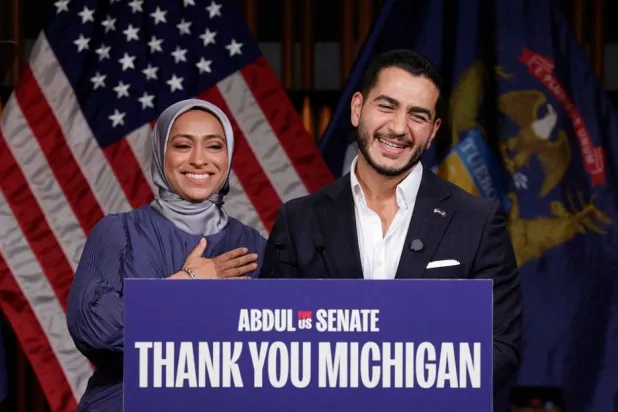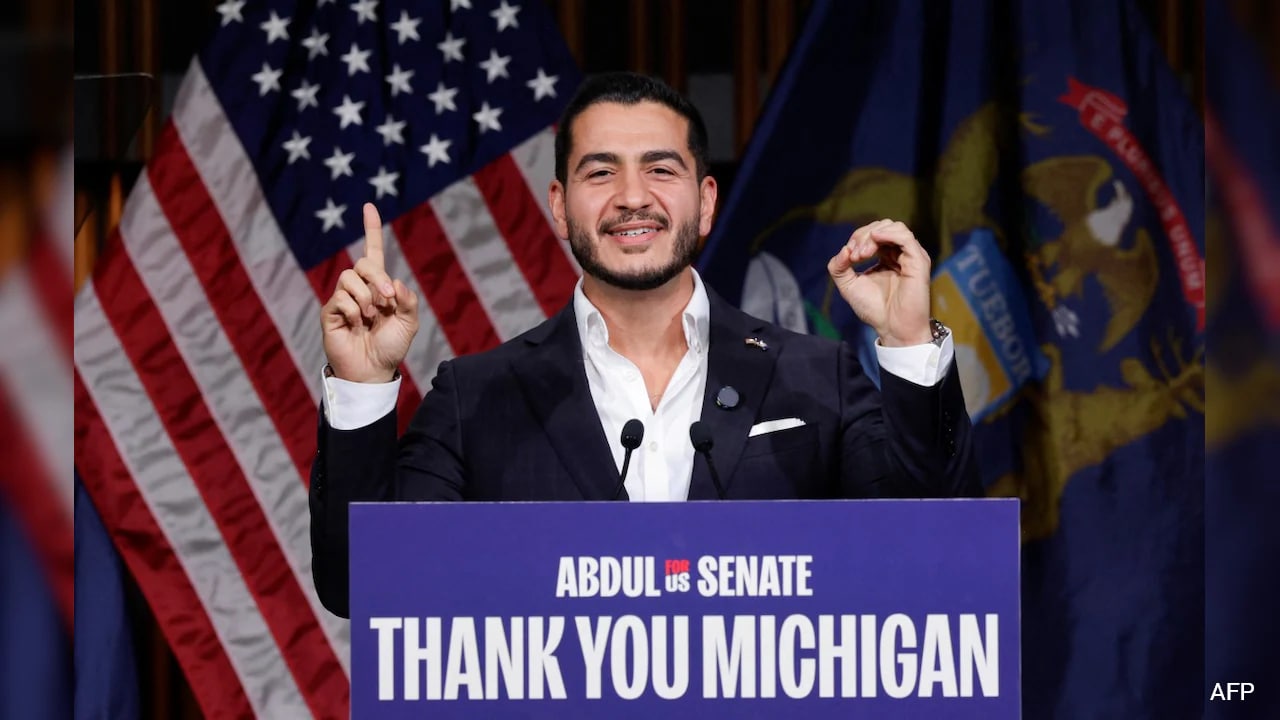
Democrat Abdul El-Sayed has made history by winning the U.S. Senate seat from Michigan, defeating Republican Mike Rogers in a tightly contested race. El-Sayed's victory marks a significant milestone as he becomes the first Muslim senator in the United States, a breakthrough celebrated by many in the Democratic Party, especially as they prepare for the 2028 presidential election.
El-Sayed, an epidemiologist and former public health official, faced a challenging campaign, particularly after Congresswoman Haley Stevens, who lost to him in the Democratic primary, endorsed Rogers just days before the election. Despite this setback, El-Sayed's progressive platform resonated with voters, ultimately leading to his victory in a key battleground state.S2S6
His campaign was not without controversy; El-Sayed stirred debate with his outspoken criticism of Israel, accusing the state of genocide amid the ongoing conflict in Gaza. This stance has positioned him as a polarizing figure within the party, especially among more centrist Democrats, but it also galvanized support from the party's left wing, which is increasingly influential.S3
With this win, the Democratic Party's total in the Senate rises to 54, a crucial number as they navigate a politically charged environment. El-Sayed's election is seen as a reflection of changing demographics and attitudes within Michigan, where diverse voices are increasingly taking center stage in politics.S5
As El-Sayed prepares to take office, his supporters are hopeful that his tenure will bring progressive changes to the Senate. His victory speech emphasized unity and the importance of representation, setting the stage for what many anticipate will be an impactful term in office.S1S6