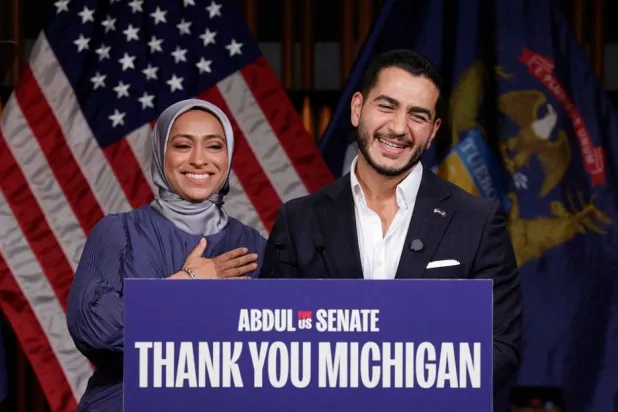
In a remarkable turn of events during the recent midterm elections, Democrats made significant gains in Congress and various state governorships across the United States, marking a decisive rejection of Donald Trump's political agenda. The elections saw record-breaking early voting, with over 61.7 million ballots cast prior to election day, according to the University of Florida's Election Lab. This figure represents an unprecedented level of participation for midterm elections in the U.S., indicating a heightened engagement among voters.
The midterm elections not only reflect a shift in voter sentiment but also highlight the Democrats' strategic advantages in key races. The results signal a strong repudiation of the policies and rhetoric associated with Donald Trump, as voters across the nation expressed their preferences through their ballots. The implications of these results are expected to resonate throughout the political landscape as the Democratic Party consolidates its power in Congress and statehouses.S2
As the dust settles from the elections, the focus will now shift to how the Democratic leadership will leverage this momentum moving forward. The success in the midterms could reshape the party's approach to governance and its strategy for the upcoming presidential elections. With the historic turnout and the significant victories achieved, the Democratic Party is poised to influence legislative priorities and potentially redefine its identity in the coming years.S1S2