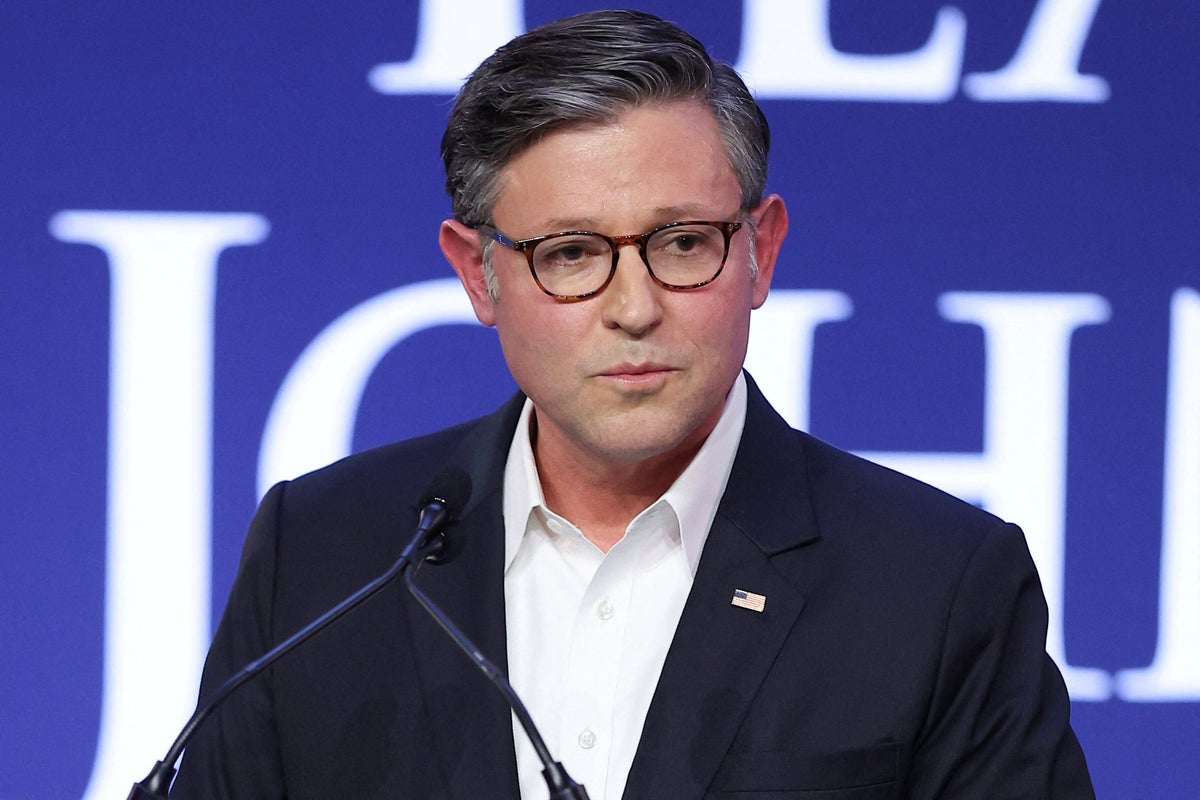
House Speaker Mike Johnson has announced that he will not seek reelection as the leader of the Republican Party following significant losses in the recent midterm elections. This decision comes just one day after Democrats secured a majority in the House of Representatives, marking a notable shift in the political landscape. Sources indicate that Johnson communicated his decision to his staff during a phone call, expressing his intention to step aside from the leadership role in the new Congress.
Johnson's decision reflects the broader challenges facing the Republican Party after what many are calling a "wipeout" in the midterms. The GOP's inability to maintain control of the House has raised questions about the party's direction and leadership moving forward. According to reports, Johnson informed his colleagues that he would not seek support to continue as House minority leader, signaling a significant change in the party's hierarchy as it prepares for the next congressional session.S1S2
The implications of Johnson's departure from leadership could be profound for the Republican Party as it navigates the aftermath of the elections. With the Democrats now in control, the GOP will need to reassess its strategies and leadership structure to regain ground in future elections. Johnson's exit marks a pivotal moment for the party, which will need to rally around new leadership to address the challenges ahead and reestablish its influence in Congress.S3