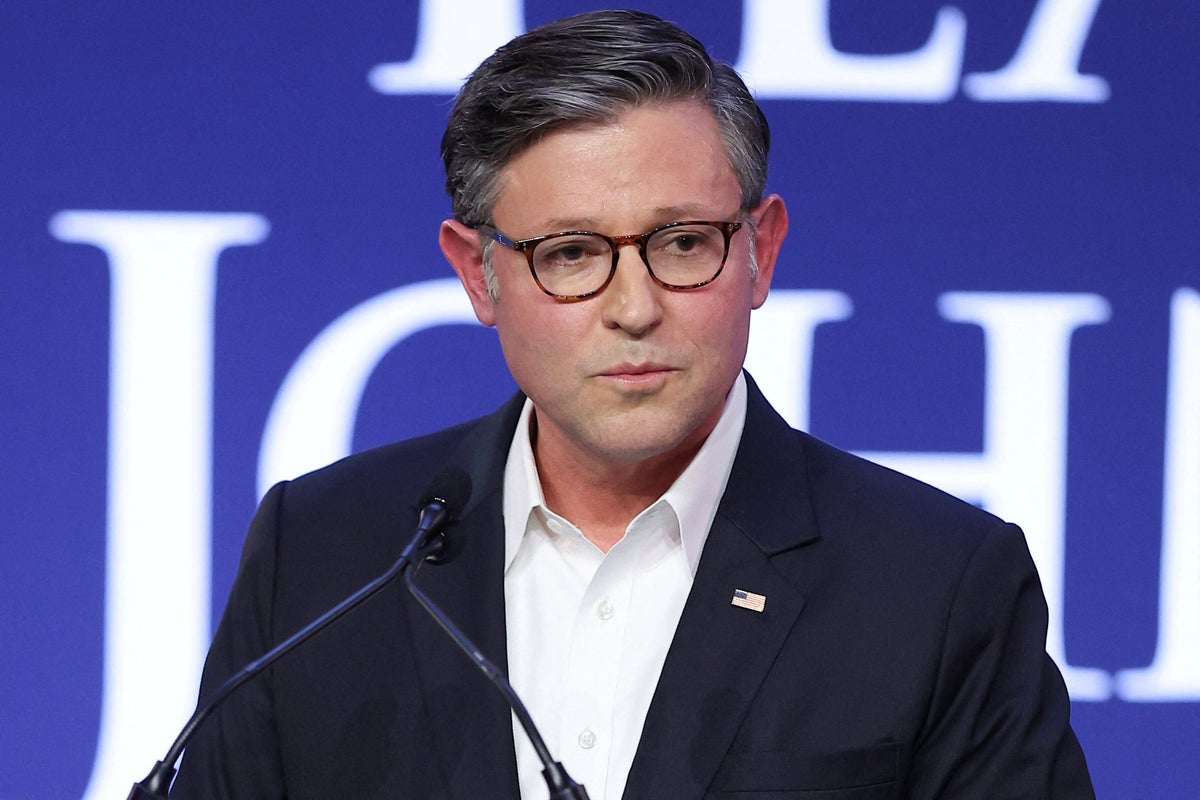
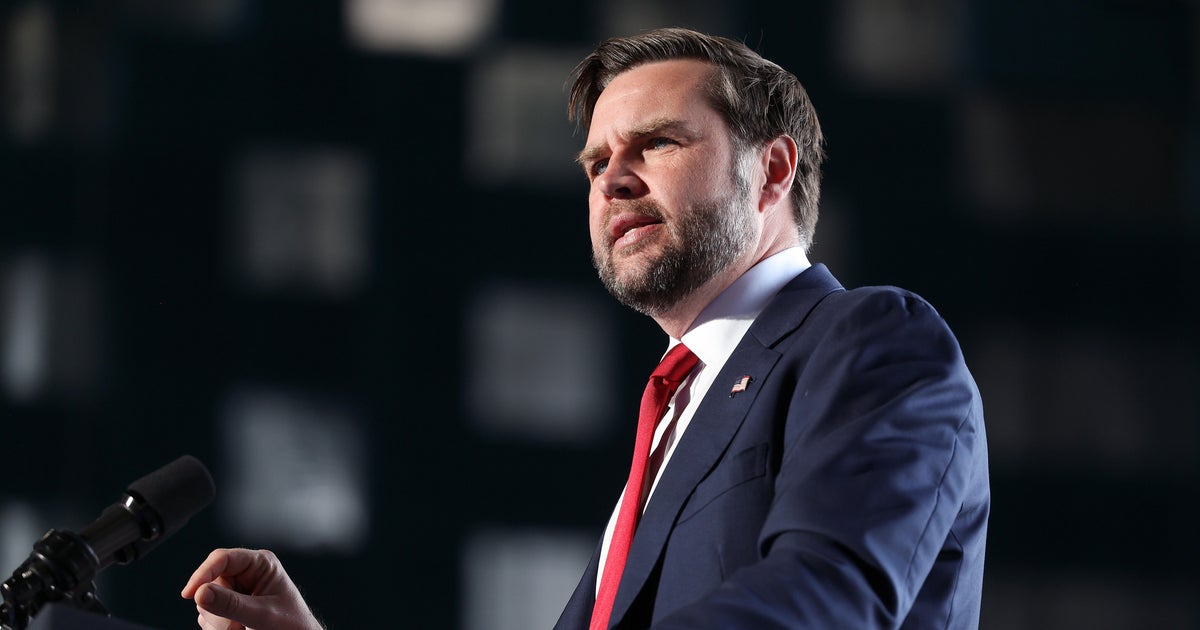
World leaders have reacted with a mix of relief and caution following the recent midterm election results in the United States, which saw significant losses for the Republican Party. This outcome is perceived as a potential shift away from the "America first" policies championed by President Donald Trump, policies that had often strained international relations. Leaders in Europe and other regions are particularly hopeful that this change could lead to a more collaborative approach in global affairs, especially in trade negotiations and climate initiatives.
Canadian Minister of Intergovernmental Affairs Dominic LeBlanc emphasized that despite the Republican setbacks, Canada’s approach to ongoing trade talks will remain unchanged. This statement underscores the continuity of Canada’s policy direction, regardless of shifts in the U.S. political landscape. European leaders have echoed this sentiment, expressing a desire for a more predictable and cooperative relationship with the U.S. moving forward, particularly regarding issues that had been contentious under Trump's administration.S1
As the dust settles from the midterm elections, the international community is closely monitoring how these results will influence U.S. foreign policy. The cautious optimism among world leaders suggests a hope for renewed engagement on global challenges, including climate change and international trade, which had been sidelined during Trump’s tenure. However, the uncertainty surrounding the future direction of the Republican Party and its leadership remains a concern for many.S2