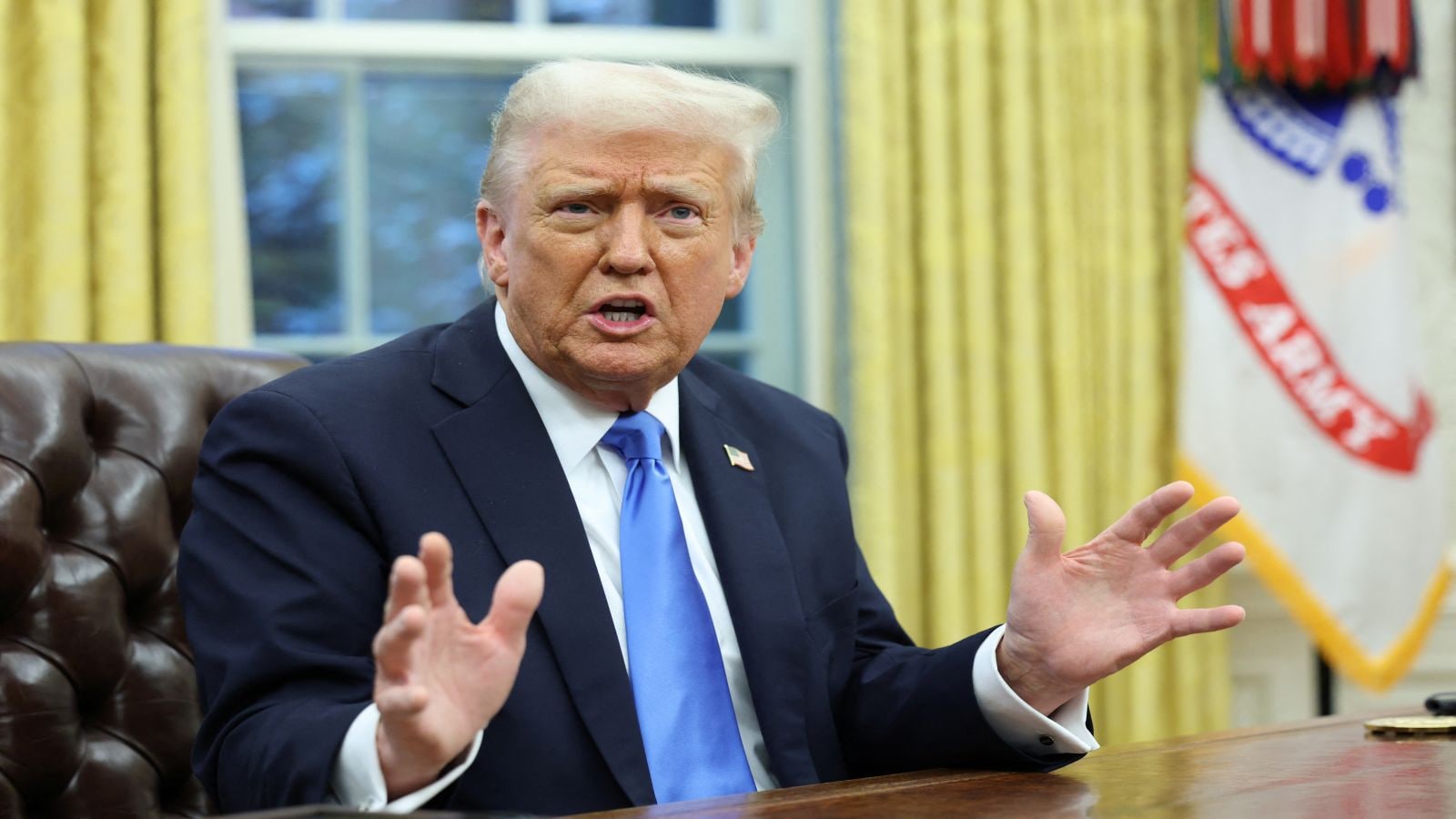
The prospect of a meeting between Donald Trump and North Korean leader Kim Jong Un seems increasingly unlikely following Trump's significant defeat in the recent midterm elections. As Trump prepares for his upcoming trip to Asia in November, analysts suggest that the political fallout may hinder any potential dialogue with North Korea. Initially, Trump had expressed some enthusiasm about the possibility of meeting Kim, stating it would be "exciting," but his tone shifted in October when he remarked, "I don’t know… I’m not sure that anybody’s asking for a meeting," despite claiming his relationship with Kim is "very good."
Adding to the uncertainty, Kim Jong Un's sister, Kim Yo Jong, has indicated that North Korea is not inclined to engage in discussions with the United States. She stated that Pyongyang sees "no need to sit face to face with such unreliable and hostile persons," reflecting a broader skepticism about the potential for renewed dialogue under the current U.S. administration. This sentiment from North Korea underscores the challenges that lie ahead for any diplomatic efforts following the U.S. midterm elections, which have shifted the political landscape significantly.S2
With Trump's political capital diminished, the likelihood of a diplomatic breakthrough with North Korea appears to be waning. The midterm elections have not only altered the dynamics within the U.S. but have also impacted how North Korea perceives the potential for negotiations. As Trump navigates this new political reality, the chances for a meeting with Kim Jong Un remain uncertain, leaving many to speculate on the future of U.S.-North Korea relations in the coming months.S1S2