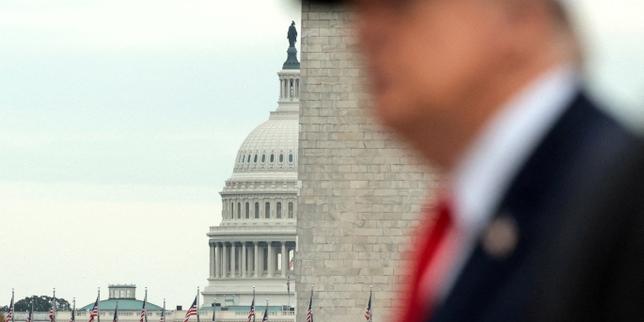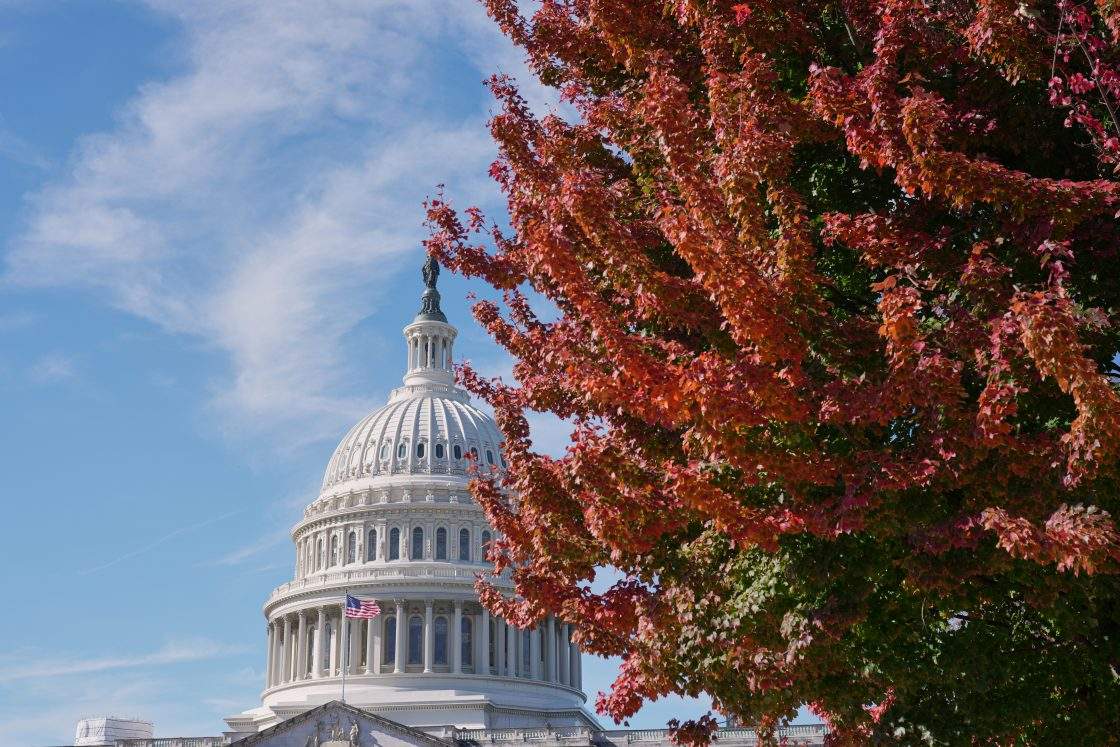
In a significant shift in U.S. politics, the Democratic Party has gained control of both the House of Representatives and the Senate following the midterm elections. This outcome presents a formidable challenge for Republican President Donald Trump, who now must navigate a Congress dominated by his political opponents. With the Democrats in charge, Trump's ability to push through his legislative agenda is expected to be severely limited, raising questions about how he will leverage his veto power in this new political landscape.
As the Democrats prepare to take the reins of Congress, Trump is faced with an uphill battle in Washington. The Democratic majority not only complicates his legislative ambitions but also opens the door for potential confrontations over key issues, including budgetary matters and policy initiatives. Observers are keen to see how Trump will respond to this shift, particularly in terms of his willingness to engage in bipartisan negotiations or to resort to vetoes to block Democratic proposals.S2
Trump's administration will likely be tested on various fronts, including healthcare, immigration, and tax reform, as Democrats are poised to challenge many of his existing policies. The political dynamics are expected to shift significantly, with Democrats now able to set the legislative agenda and potentially override Trump's vetoes if they maintain sufficient unity. The upcoming months will be crucial in determining how effectively Trump can manage these challenges and what strategies he will employ to assert his influence over a divided Congress.S1S2