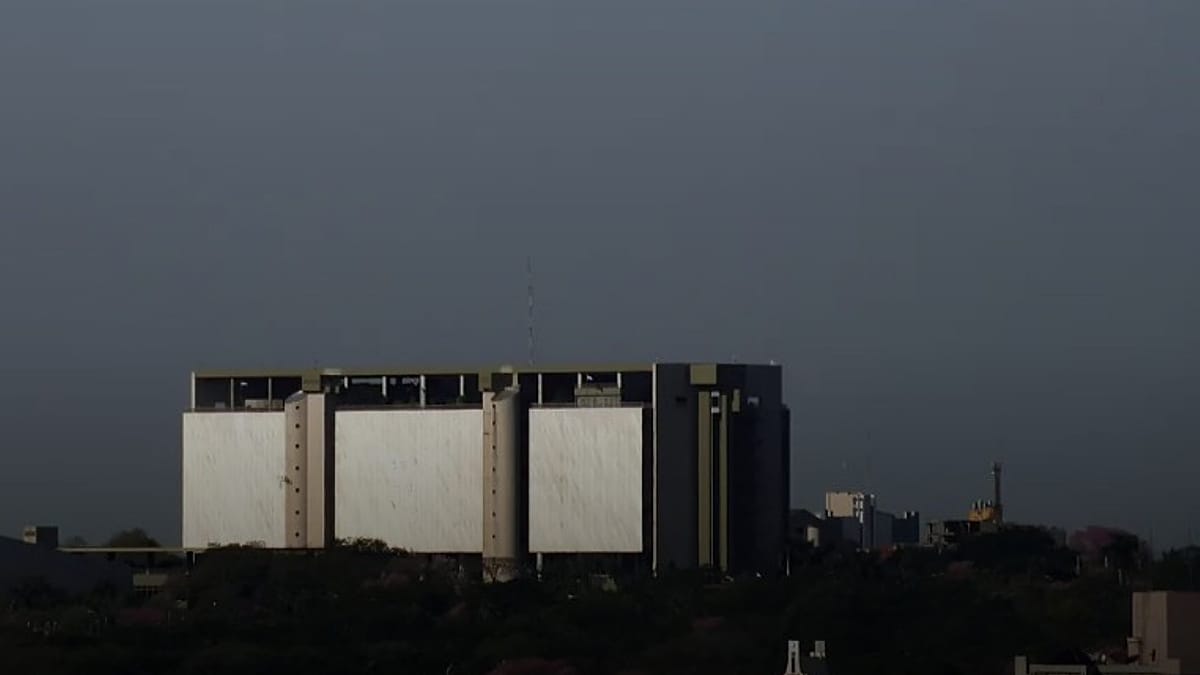
The recent liquidation of Ueno Bank has plunged Paraguay into a severe political crisis, marked by the potential impeachment of President Santiago Peña. The bank's collapse has created an accounting black hole that is draining public funds and leaving thousands of citizens without access to their deposits, triggering widespread outrage and calls for accountability. This crisis is being described as one of the worst institutional challenges the country has faced in years, as the fallout continues to unfold across the political landscape.
In a significant move, Paraguay's Lower House is set to vote on the impeachment of President Peña, as lawmakers respond to the public outcry following the bank's closure. Reports indicate that deputies are expected to approve the impeachment request, reflecting the urgency and severity of the situation. The closure of Ueno Bank, which was the largest digital bank in the country, has exacerbated financial instability and raised questions about the government's oversight and management of financial institutions.S2
As the political turmoil escalates, the implications of the Ueno Bank crisis extend beyond immediate financial concerns, potentially reshaping the governance landscape in Paraguay. Lawmakers and citizens alike are demanding transparency and accountability, with many viewing the impeachment process as a necessary step to restore public trust in the government. The unfolding events will be closely monitored as they could set a precedent for future governance and financial regulation in the country.S1S2