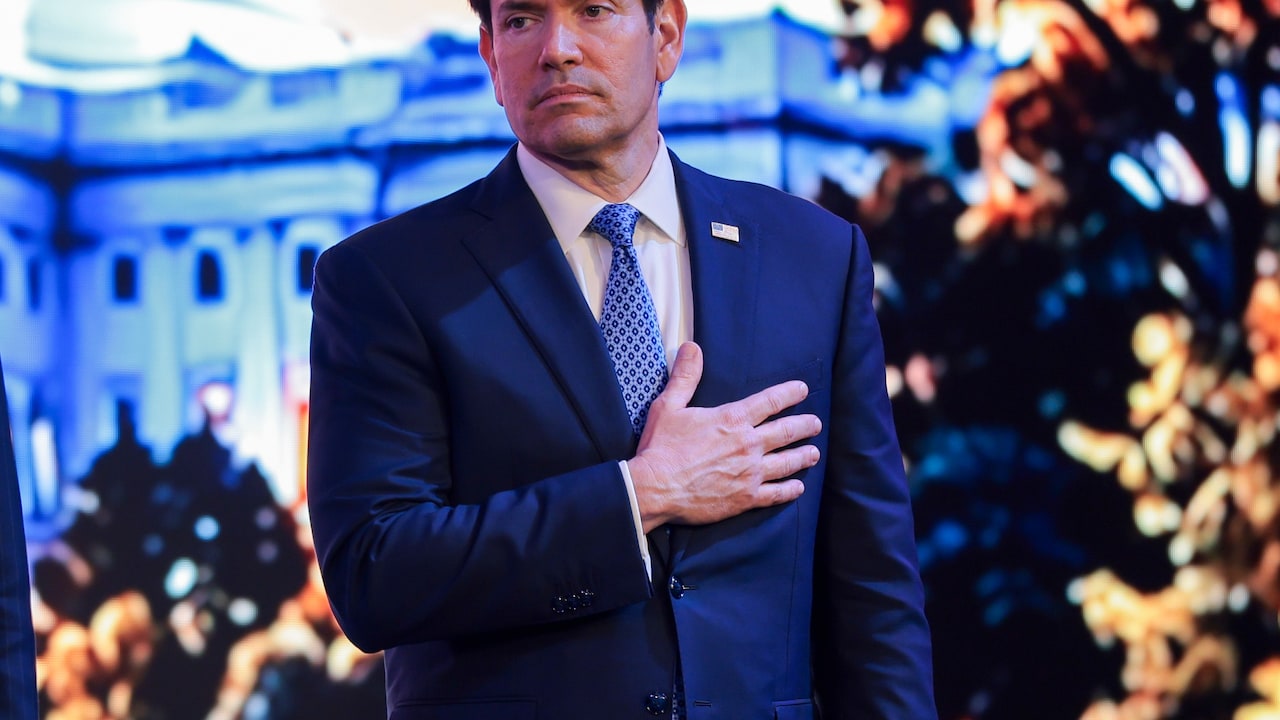
Following their significant victories in the midterm elections, Democrats have gained control of Congress, which empowers them to utilize the full investigatory capabilities of the legislative branch. This includes the authority to subpoena records and compel testimony from individuals connected to the Trump administration. The shift in power marks a pivotal moment for the party as they prepare to leverage these tools for oversight and accountability, particularly in areas where they believe the previous administration may have overstepped its bounds.
However, the Democrats' electoral success has not resolved internal divisions regarding the party's ideological direction. As highlighted by Lisa Lerer, a national political correspondent, there is a consensus among moderates and progressives on key issues such as affordability and the need for oversight. Yet, significant disagreements remain about the broader strategic approach the party should take moving forward. This ideological rift could complicate their efforts to present a unified front as they navigate their new majority status in Congress.S2
As Democrats gear up for this new phase, they face the challenge of balancing the demands of their diverse base while also addressing the expectations of the electorate that brought them to power. The coming months will likely see a series of high-profile investigations aimed at scrutinizing the actions of the Trump administration, setting the stage for a contentious political landscape as both parties prepare for the next electoral cycle.S1S2