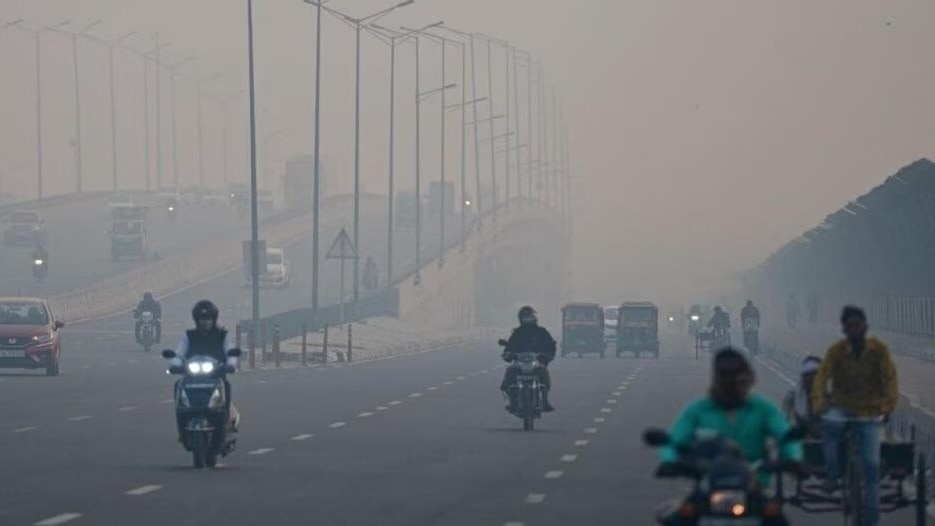
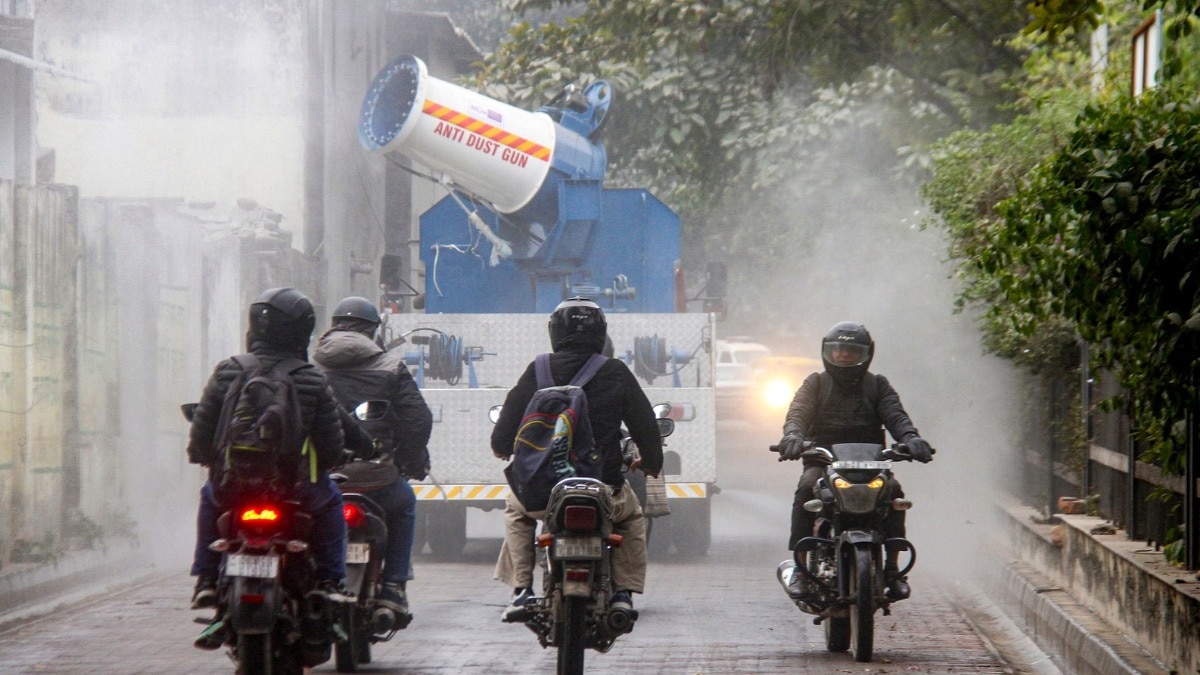
As winter descends upon Delhi, the Indian capital is grappling with a resurgence of toxic air pollution, raising concerns about public health and environmental preparedness. Analysts, including Manoj Kumar from the Centre for Research on Energy and Clean Air, emphasize the need for comprehensive pollution reduction strategies that extend beyond traditional measures such as vehicle entry regulations, construction limits, and stubble burning. Kumar advocates for setting specific emission reduction targets across all sectors, including power generation and industry, to effectively combat the pollution crisis.
The current situation is already impacting daily life in Delhi, where residents are feeling the effects of increasingly hazy air. Meenu Rana, a local resident, has prepared for the worsening conditions by purchasing air purifiers, indicating a growing awareness and concern among the populace. "The mornings have already started feeling stuffy," she noted, reflecting the sentiment that air quality will deteriorate further in the coming days, as it typically does during this season.S2
With the air quality index expected to worsen, the urgency for action is palpable. Experts warn that without targeted interventions across various sectors, Delhi's air pollution will continue to pose serious health risks to its residents. The city's historical struggles with air quality during winter months underscore the need for a coordinated approach to tackle the multifaceted sources of pollution that plague the region.S1S2