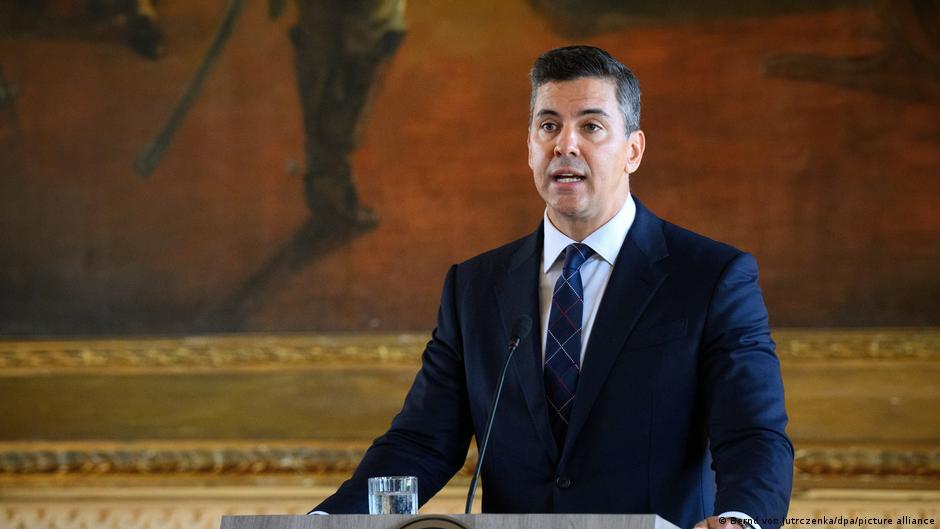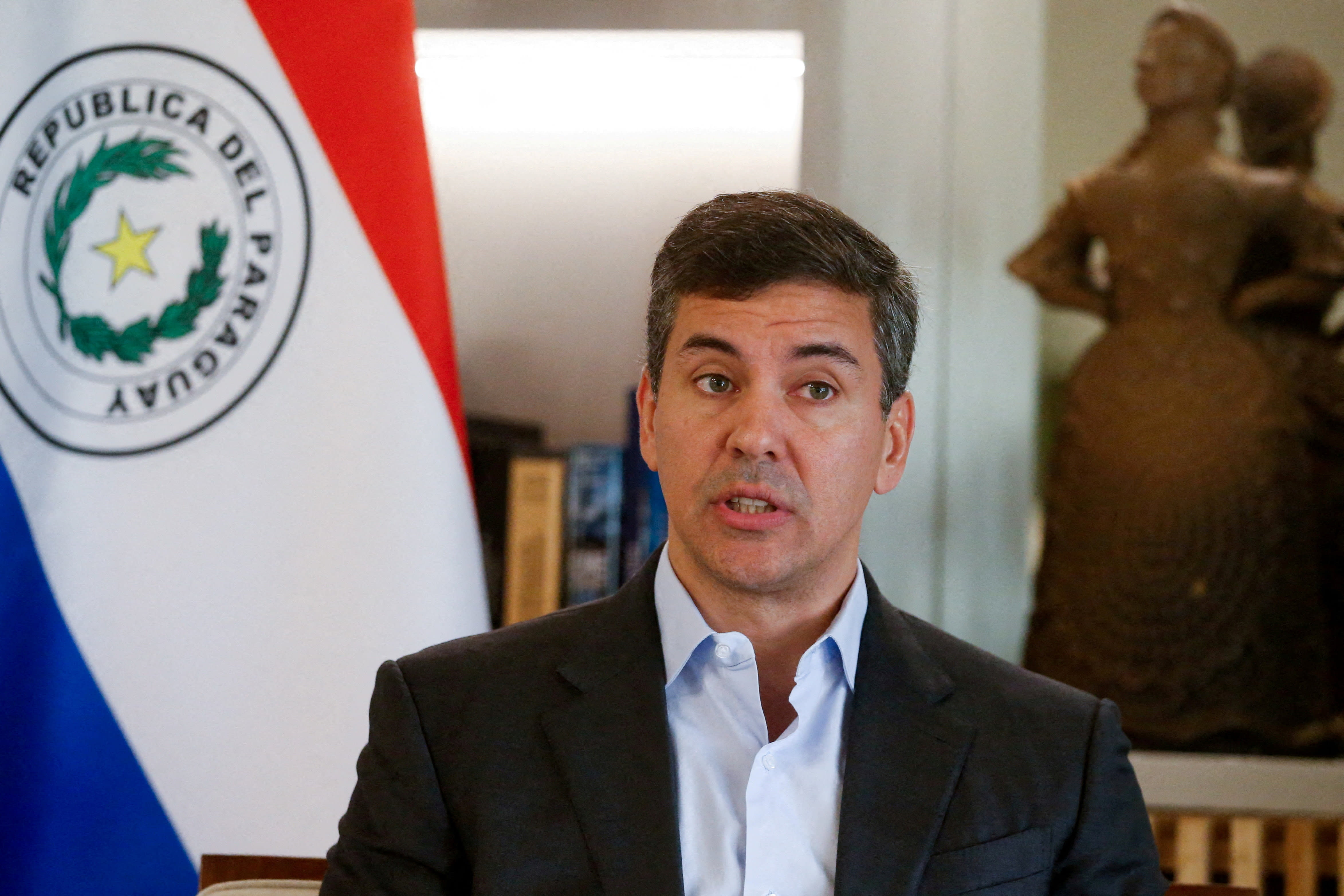
Santiago Peña, the President of Paraguay, has been placed under house arrest following his impeachment by the Senate on charges related to the Ueno banking crisis. The Senate's decision came on Friday, where Peña was accused of breach of trust linked to the collapse of a major bank that had significant ties to his administration. Despite having offered his resignation in light of the banking disaster, lawmakers proceeded with impeachment, effectively stripping him of the immunity typically granted to former presidents. Notably, Peña did not attend the Senate trial, despite previously indicating a desire to defend himself against the allegations.
The situation surrounding Peña has escalated quickly, with authorities confirming that he will remain under house arrest while the public prosecutor's office investigates the final charges against him. This legal action marks a significant moment in Paraguayan politics, as it highlights the ongoing scrutiny of government officials in the wake of financial scandals. The Ueno banking crisis has raised serious questions about governance and accountability within the Peña administration, prompting calls for greater oversight and reform in Paraguay's financial institutions.S1S2
As the investigation unfolds, the political landscape in Paraguay may shift dramatically, with potential implications for Peña's political allies and the broader governance framework in the country. The public's response to the impeachment and the subsequent legal proceedings will likely play a crucial role in shaping the future of political accountability in Paraguay, as citizens demand transparency and justice in the wake of the banking crisis.S1S2