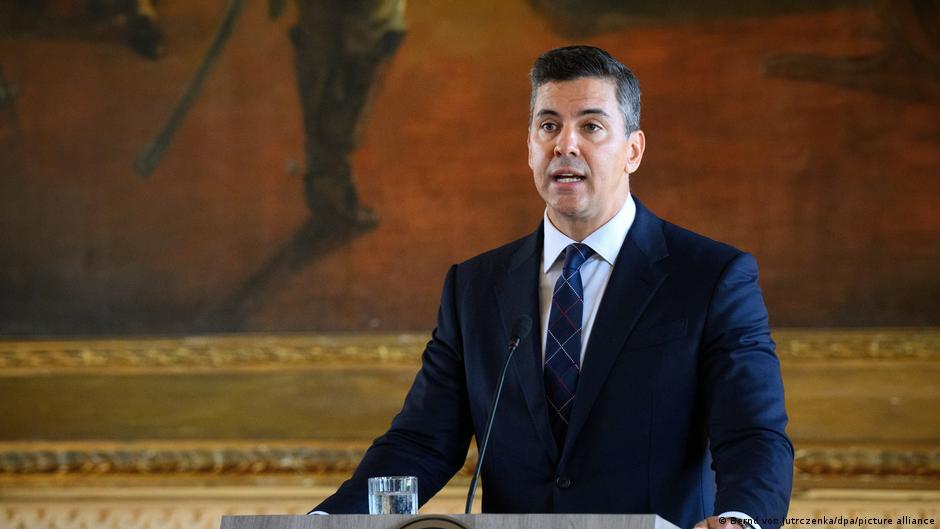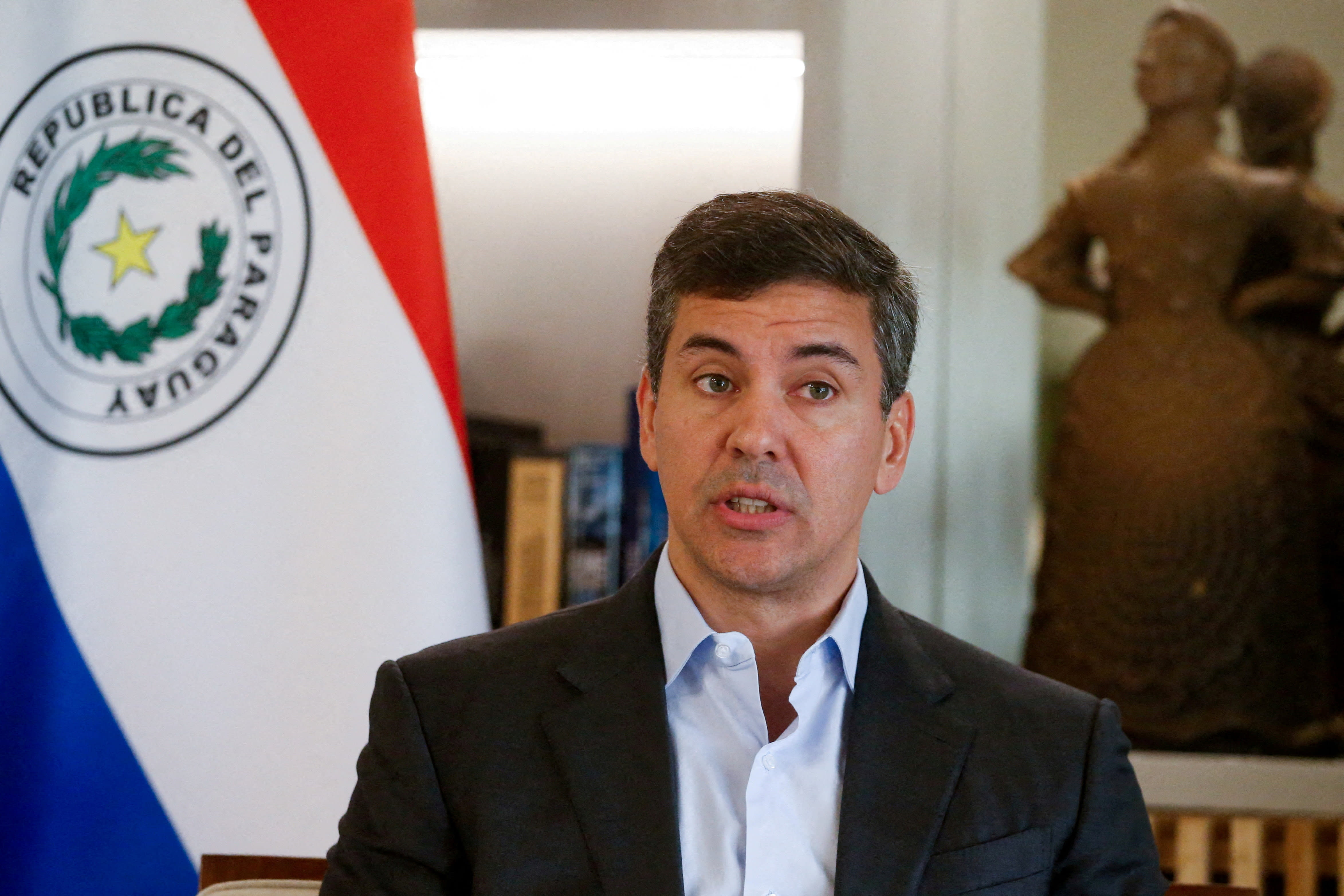
Paraguay's political landscape has been shaken as President Santiago Peña was impeached by Congress and subsequently placed under house arrest, following a banking crisis that has left approximately 60% of the population unable to access their bank accounts. The crisis erupted after the suspension of Ueno Bank, which has resulted in millions of customers facing frozen accounts. This turmoil has incited widespread protests across the country, with citizens demanding accountability and transparency from their government.
The Senate's decision to oust Peña comes amid allegations that he misused his political influence to benefit the troubled bank, which expanded operations under his administration. The implications of this crisis extend beyond individual account holders, as public pension and health care funds are also reportedly tied up in the bank's collapse, exacerbating the situation for many Paraguayans who rely on these essential services.S2
As protests continue to unfold, the political future of Santiago Peña remains uncertain. The investigation into his actions and the broader implications of the banking crisis are likely to dominate the national discourse in the coming days. The situation highlights the fragility of financial institutions in Paraguay and raises questions about regulatory oversight and governance in the country.S1S2