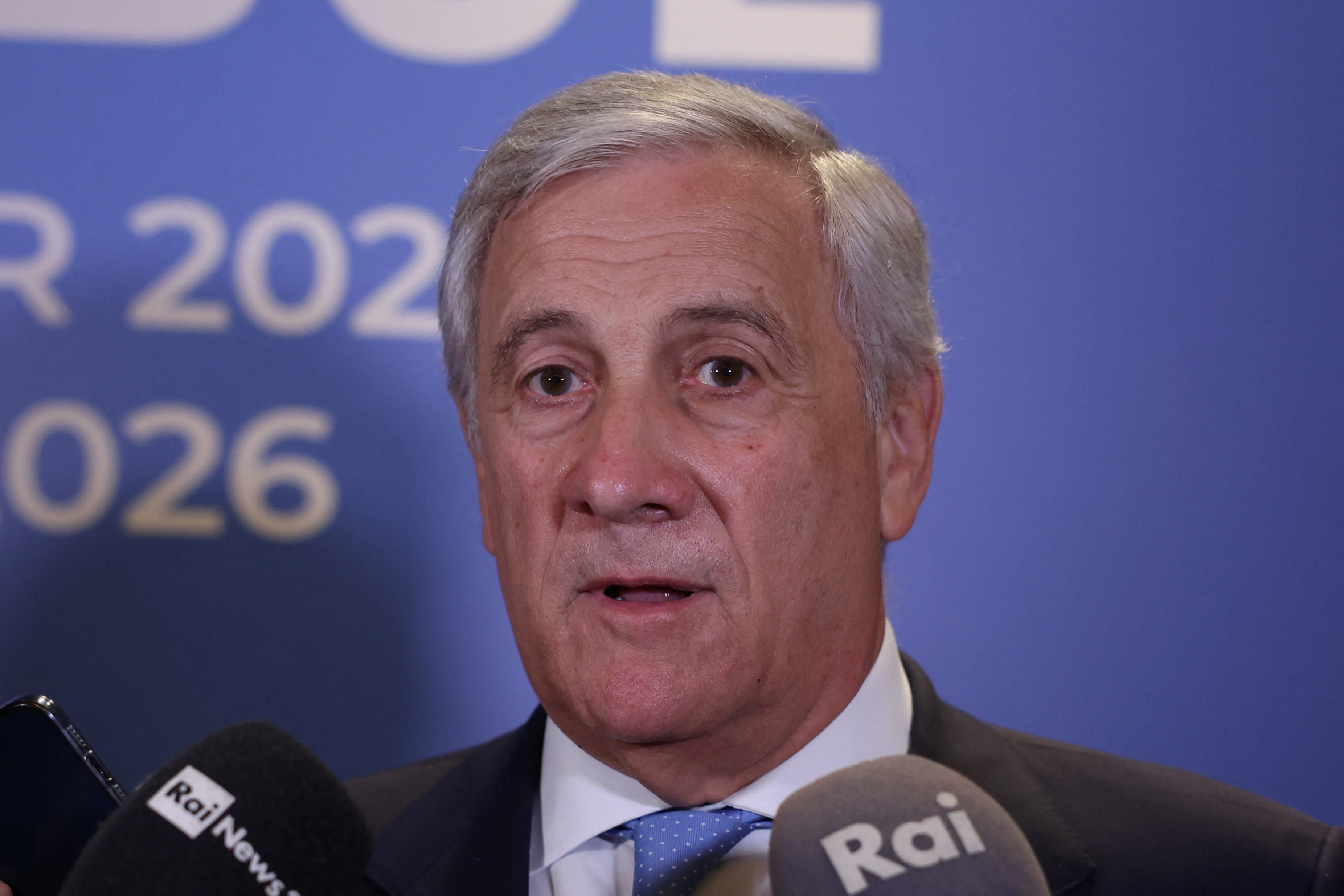
Italian Foreign Minister Antonio Tajani has reported that his personal data has been leaked on the dark web, raising serious concerns about threats and intimidation against him. This incident has prompted Italian Prime Minister Giorgia Meloni to publicly attribute the cyberattack to pro-Russian hackers, amid a broader context of increasing hybrid disruptions linked to entities aligned with Russian President Vladimir Putin's government. Meloni's comments reflect a growing alarm in Italy regarding cyber threats that may be politically motivated.
The leak of Tajani's data is not an isolated incident but part of a worrying trend of cyberattacks targeting officials in Italy and other Western nations, which have been attributed to Russian-aligned groups. These attacks coincide with heightened tensions between Italy and Russia, particularly in light of Italy's support for Ukraine during the ongoing conflict. Meloni's administration is now facing pressure to enhance cybersecurity measures to protect its officials and sensitive information from further breaches.S1S2
As Italy grapples with these cybersecurity threats, the government is expected to take decisive action to bolster its defenses against potential future attacks. This may include collaborating with international partners to strengthen cybersecurity protocols and sharing intelligence on cyber threats. The situation underscores the urgent need for vigilance in the face of evolving digital warfare tactics employed by hostile entities.S1S2