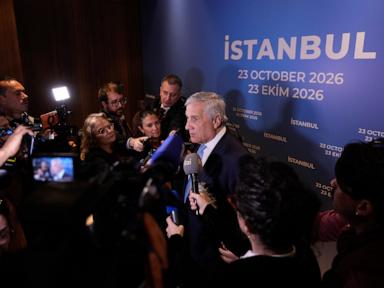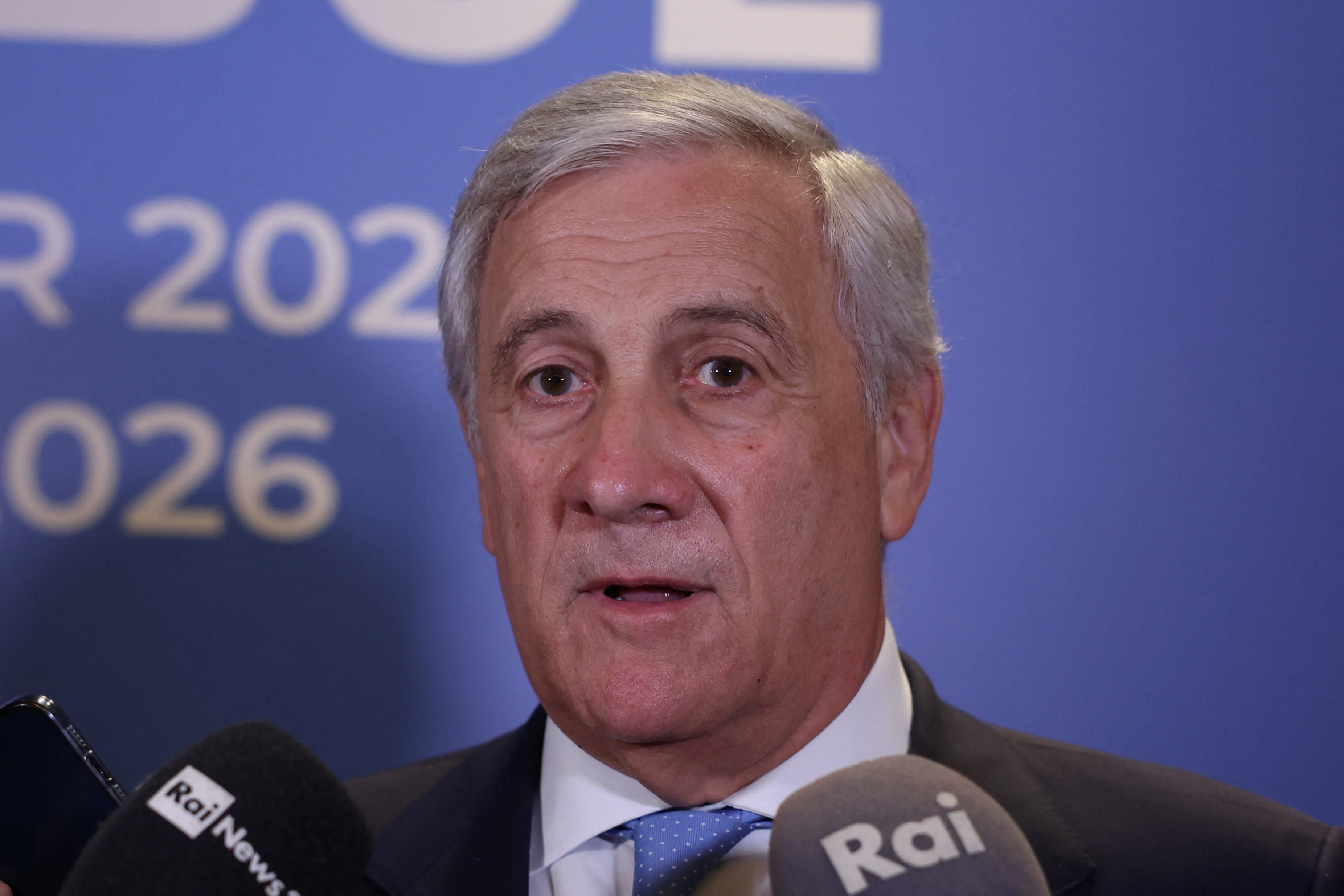
Italy's Foreign Minister Antonio Tajani has reported that he has been targeted by pro-Russian hackers, who have allegedly sought personal information about him and his family. This incident is linked to Italy's ongoing support for Ukraine amidst the ongoing conflict, highlighting the broader implications of cyber warfare in international relations. Tajani stated that the hackers published personal data stolen from him, marking a significant breach of privacy and security.
Prime Minister Giorgia Meloni has also weighed in on the situation, attributing the cyberattack to pro-Russian criminals. This incident comes on the heels of a series of bomb threats that have disrupted flights across the European Union, suggesting a troubling trend of escalating cyber and physical threats linked to geopolitical tensions. The Italian government has condemned these actions, viewing them as direct attacks on its sovereignty and stance on international issues.S2
While the Russian government has remained silent regarding this specific incident, it has consistently denied involvement in cyberattacks or hacking operations abroad. This denial adds another layer of complexity to the already fraught relationship between Italy and Russia, particularly as Italy continues to support Ukraine in the face of aggression from Moscow. As the situation develops, the implications for diplomatic relations and cybersecurity protocols in Italy and across Europe will be closely monitored.S3