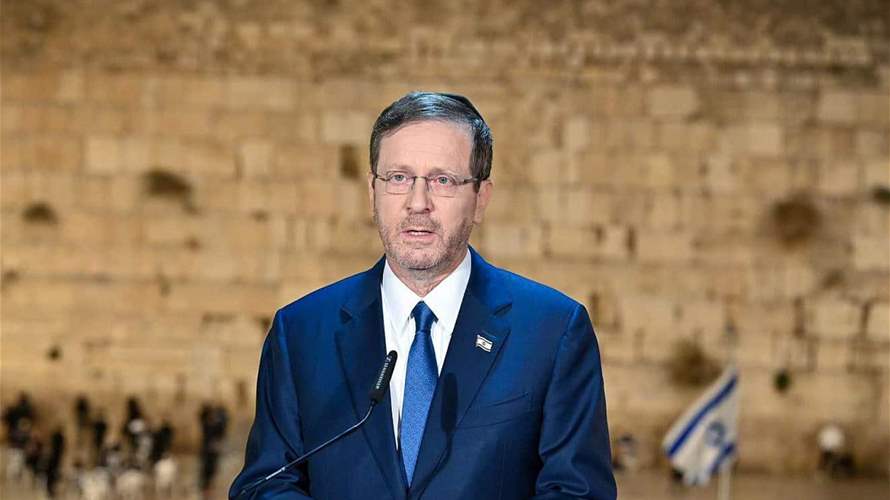
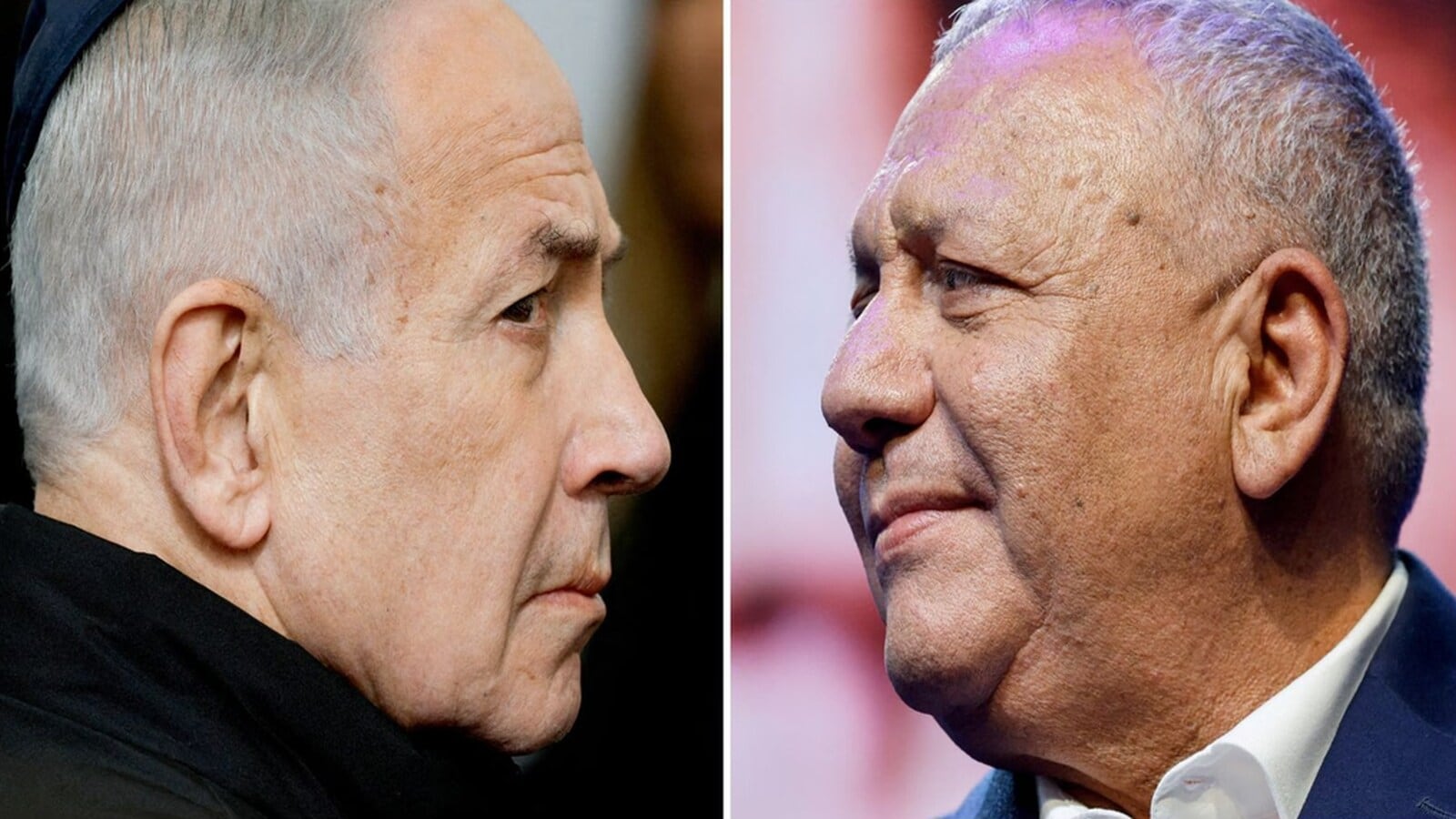
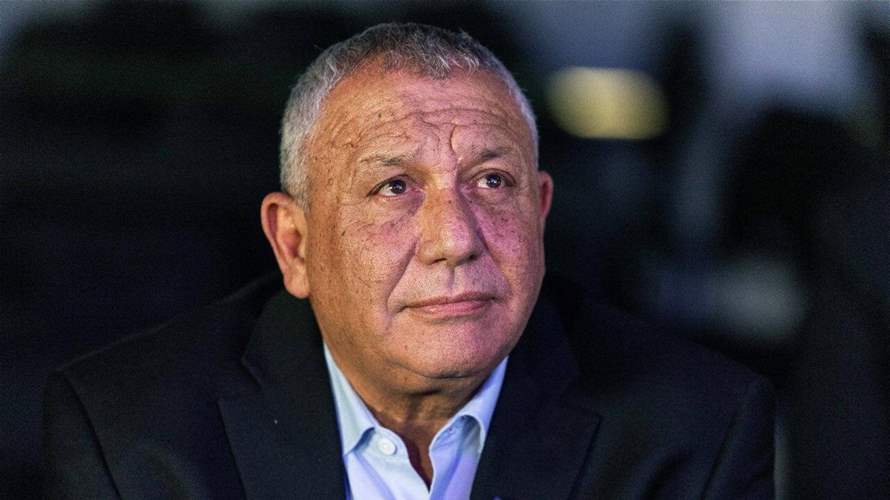
In a significant political development, Israel's President Isaac Herzog has appointed Gadi Eisenkot, a prominent rival of Prime Minister Benjamin Netanyahu, to attempt to form a new government. This decision comes in the wake of a deadlocked election held on October 27, which failed to provide a clear path to power for either leader. Netanyahu, who is Israel's longest-serving Prime Minister, saw his religious-nationalist coalition lose its majority, despite emerging as the largest bloc in the Knesset, Israel's parliament.
Eisenkot, who leads an anti-Netanyahu bloc, faces the challenging task of negotiating with various factions to secure a governing majority. The election results have left the political landscape fragmented, with neither Netanyahu nor Eisenkot able to command a decisive coalition. As the political impasse continues, the complexity of forming a stable government in Israel remains a pressing issue, reflecting broader divisions within the electorate.S1S2
The outcome of this political maneuvering is crucial not only for the future of Netanyahu's leadership but also for the direction of Israeli policy in the coming months. The stakes are high, as the new government will need to address pressing domestic and international challenges while navigating a divided parliament. Eisenkot's ability to unite various factions will be closely scrutinized as he embarks on this pivotal task.S1S2