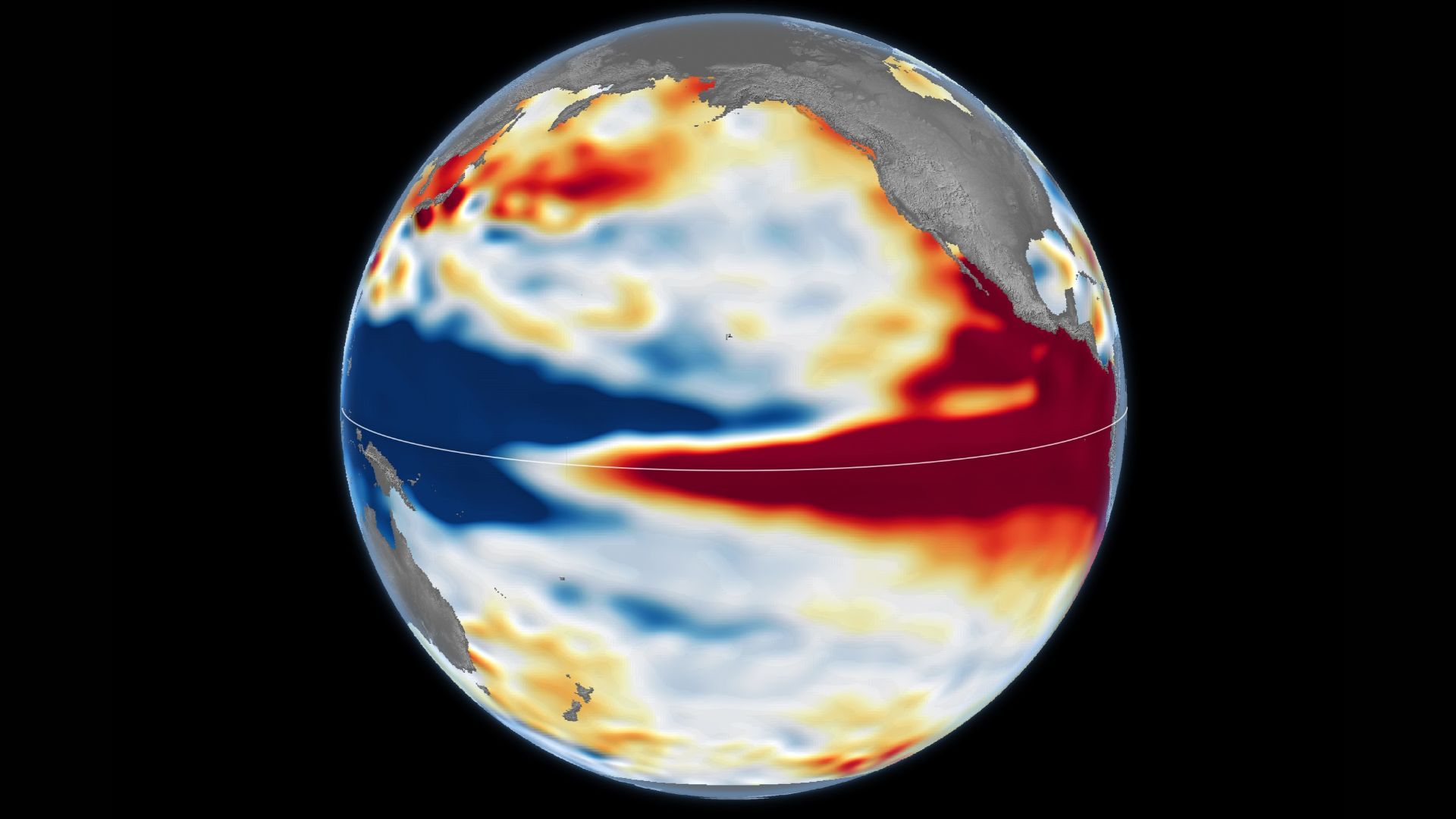
A new report from the United Nations indicates that 2026 is on track to be one of the four hottest years on record, driven largely by the El Niño phenomenon. The World Meteorological Organization (WMO) has compiled data showing that every indicator points to significant warming, with greenhouse gases trapping heat in the ocean and atmosphere, leading to alarming trends in ice melting and rising sea levels. This assessment aligns with a broader pattern observed over the past decade, where each of the last 12 years has ranked among the warmest since record-keeping began in the mid-19th century.
The WMO's report, which incorporates nine different data sets, underscores the urgency of addressing climate change. The findings highlight that the effects of climate change are not just theoretical; they manifest in real-time through extreme weather events and environmental degradation. Experts warn that without significant global action to reduce emissions, the trajectory of warming could lead to catastrophic impacts on ecosystems and human societies alike.S1
As the world approaches 2026, the implications of this report are profound. It serves as a stark reminder of the ongoing climate crisis and the need for immediate and coordinated efforts to mitigate its effects. The continued rise in temperatures poses threats not only to the environment but also to global health, food security, and economic stability, necessitating urgent policy responses from governments and organizations worldwide.S2