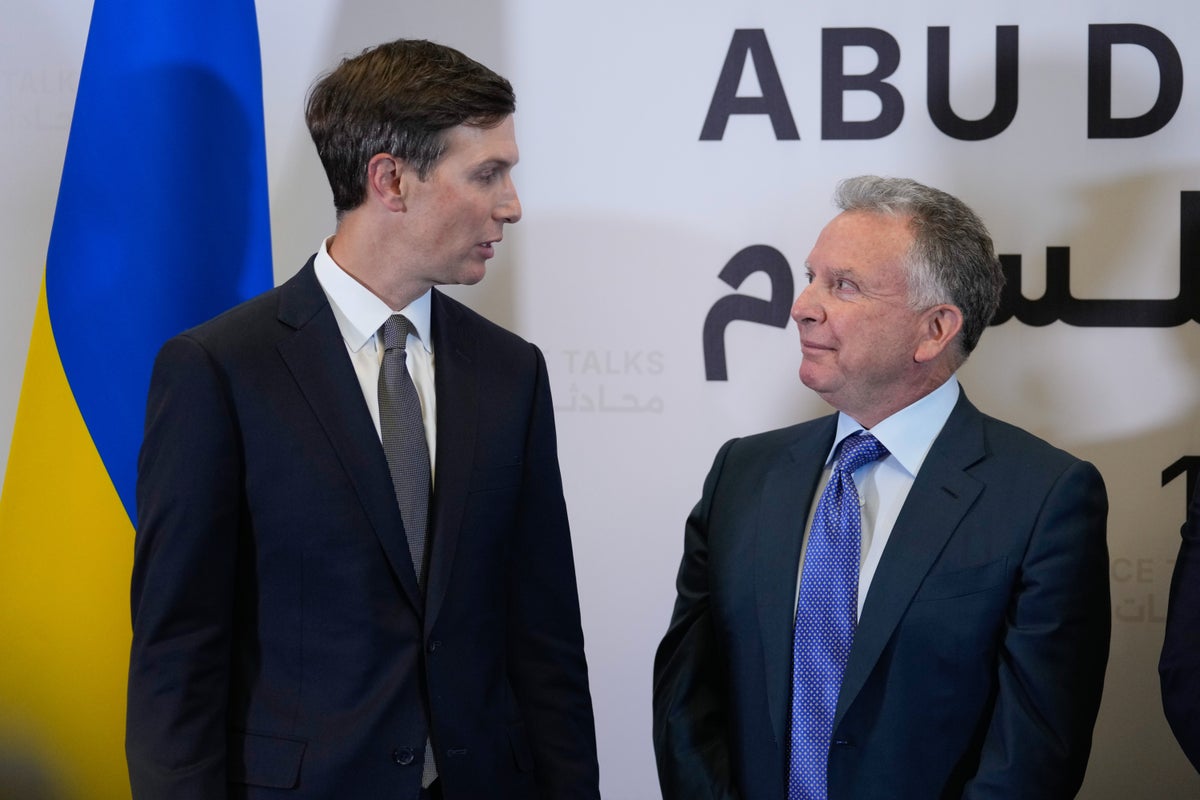
In a significant development, Russia and Ukraine have agreed to a major prisoner-of-war exchange following two days of U.S.-mediated negotiations held in Abu Dhabi. Jared Kushner, U.S. President Donald Trump’s son-in-law, announced the agreement, stating, "One of the positives is we agreed that we’re going to have the biggest humanitarian release of prisoners, which we’re going to finalize the numbers tomorrow." Both Vladimir Medinsky, leading the Russian delegation, and Rustem Umerov, head of Kyiv’s delegation, confirmed the planned exchange, marking a notable moment in their nearly five-year conflict.
The talks, which were the first direct discussions between the two sides in nine months, come amid a backdrop of ongoing military conflict and heightened tensions. U.S. officials expressed a renewed commitment to reviving peace efforts that have previously yielded limited results. Following the Abu Dhabi talks, Kushner and U.S. envoy Steve Witkoff are set to travel to Moscow to meet with President Vladimir Putin, before heading to Dublin for discussions with Ukrainian President Volodymyr Zelenskyy.S1S6
Umerov indicated that the Ukrainian delegation would also engage with European officials during their time in Abu Dhabi, despite Russia's opposition to European involvement in the negotiations. European representatives, including those from the European Union and NATO, were present in Abu Dhabi, consulting with Ukraine's delegation. Zelenskyy described the talks as "constructive and quite substantive," focusing on humanitarian issues such as potential prisoner exchanges and the return of Ukrainian civilians and children taken from the country.S2S5
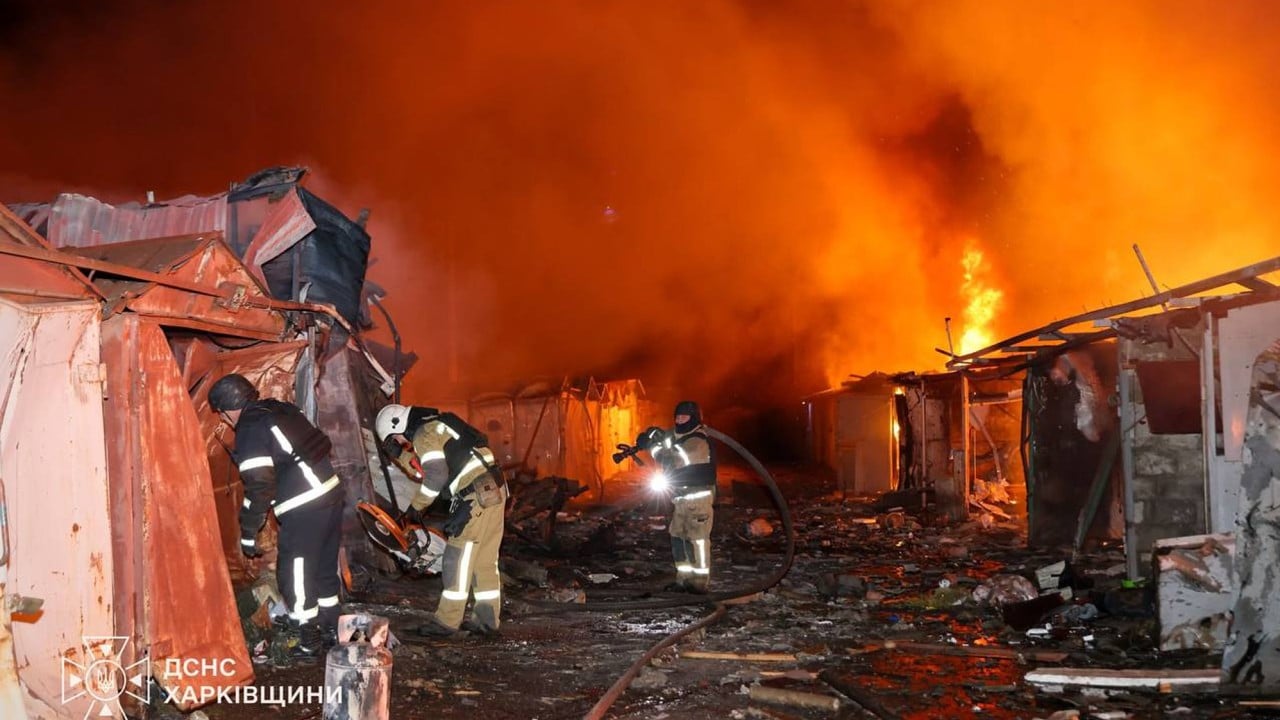
Despite the progress on the prisoner exchange, both sides remain entrenched in their positions, showing no willingness to compromise on core demands. U.S. Secretary of State Marco Rubio characterized the meeting as "very productive," but cautioned that achieving a lasting peace agreement would require more time. The negotiations are taking place in a context where fighting continues along the front lines, with both Russia and Ukraine launching missile and drone strikes against each other, including recent attacks in the Zaporizhzhia region and Kharkiv, which resulted in civilian injuries and property damage.S1S2
As the situation evolves, the focus remains on the potential outcomes of the prisoner swap and the broader implications for peace negotiations. The upcoming meetings in Moscow and Dublin will be pivotal in shaping the next steps, especially with U.S. midterm elections approaching, which could alter the dynamics of American support for Ukraine. The urgency for humanitarian considerations, alongside ongoing military pressures, underscores the complex landscape of the Russia-Ukraine conflict.S1S9