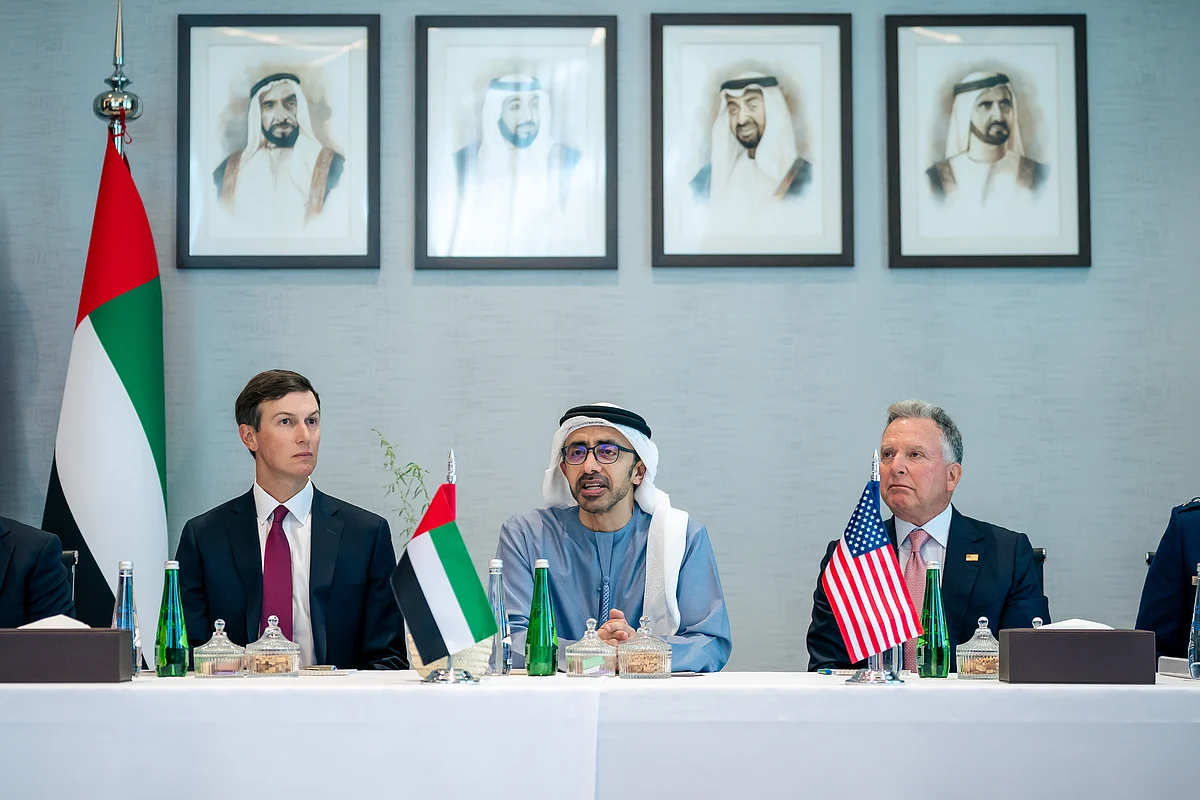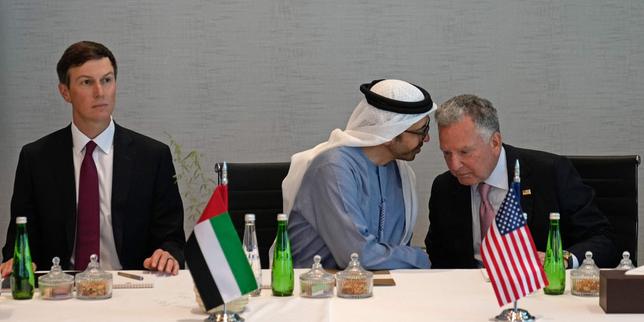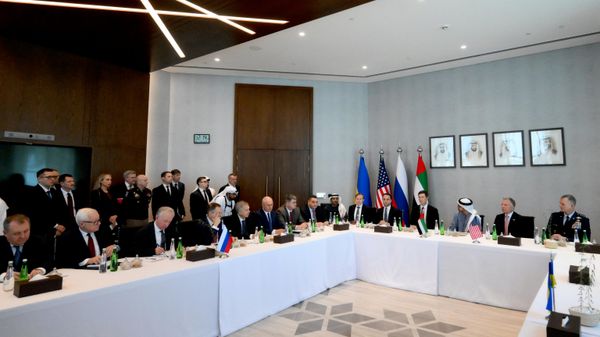
Trilateral talks held in Abu Dhabi involving Russia, Ukraine, and the United States have concluded after two days without any significant breakthroughs to resolve the nearly five-year-long Ukraine war. Davyd Arakhamia, a member of Ukraine's negotiating team, described this round as one of the most challenging, noting that the Russian delegation arrived with strict directives that made discussions particularly difficult. Despite the lack of progress, Arakhamia expressed a sense of "good momentum" and called for a second round of talks to be organized as soon as possible. Both Moscow and Kyiv confirmed that a large-scale prisoner of war exchange is being planned and could occur soon, which may serve as a potential goodwill gesture amid the ongoing conflict.
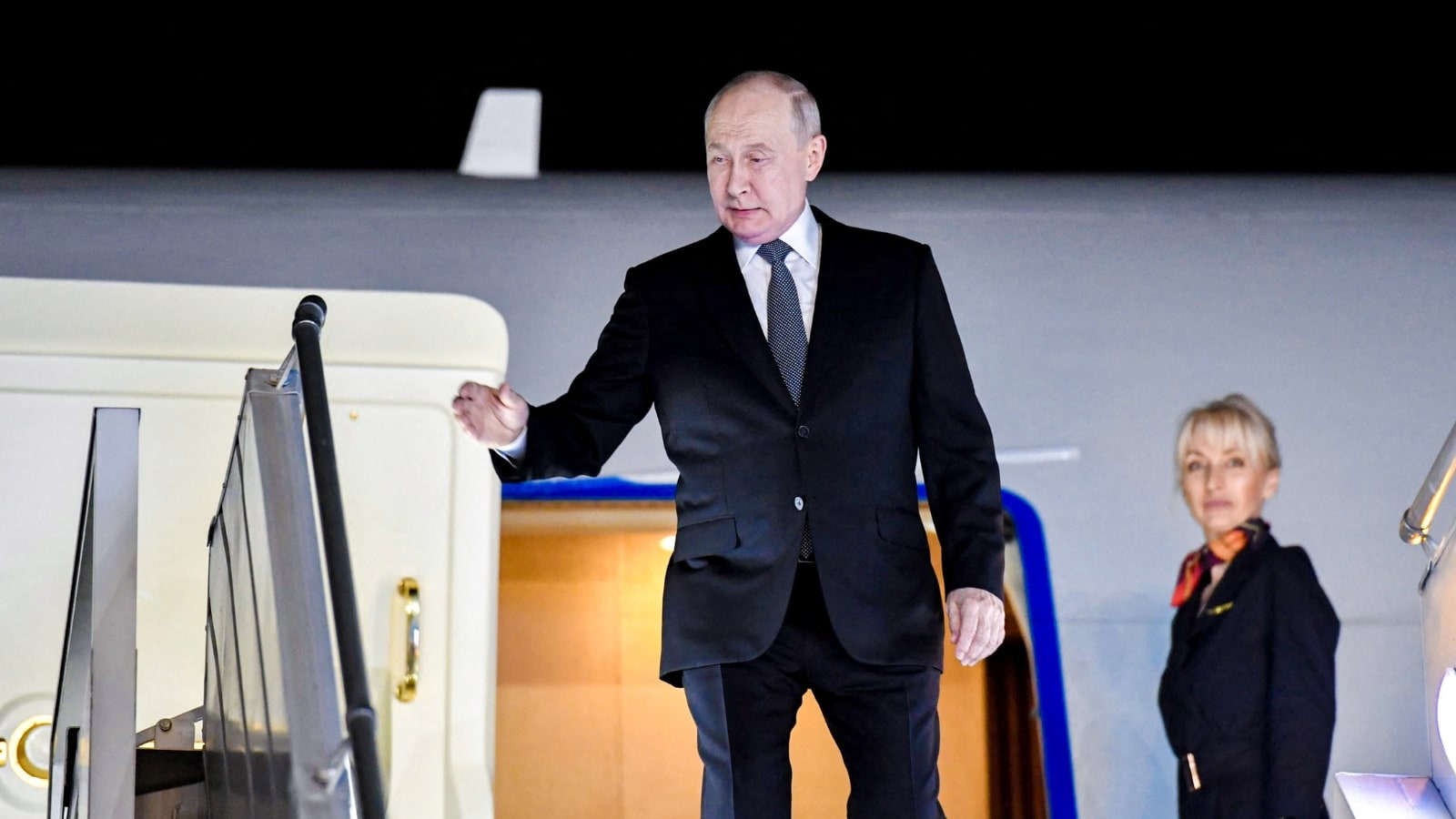
The talks were framed around the future "security architecture" of Europe, with Ukraine seeking assurances of support from allies in the event of future attacks, despite not being a NATO member. Conversely, Moscow is likely to demand limitations on NATO's influence in Eastern Europe, a longstanding concern for the Kremlin. U.S. negotiators, including Steve Witkoff and Jared Kushner, are scheduled to meet with Russian President Vladimir Putin in Moscow, followed by discussions with Ukraine's President Volodymyr Zelensky in Dublin. Kushner emphasized the U.S. goal of creating a new security framework that could ensure lasting peace between Ukraine, Russia, and Europe, while Kremlin negotiator Vladimir Medinsky called for a "new" and "fair" security system.S1
The involvement of European nations in future negotiations has been a point of contention. Germany has stated that broader security talks with Russia must wait until the Ukraine war is resolved, reflecting concerns that any agreements would be ineffective without a consensus among NATO members. While representatives from Britain, NATO, and various EU countries were present in Abu Dhabi, the Kremlin has dismissed European involvement, insisting on direct negotiations without their input. This stance has raised concerns among Eastern European nations, who feel their security is closely tied to that of Ukraine.S1S2
The discussions also highlighted a fundamental disagreement on whether a ceasefire should precede negotiations on a future security framework, as preferred by European nations and Kyiv, or whether fighting should only cease after an agreement is reached, as insisted upon by the Kremlin. The outcome of these talks remains uncertain, but the urgency for a resolution is palpable as the conflict continues to impact regional stability and security.S1