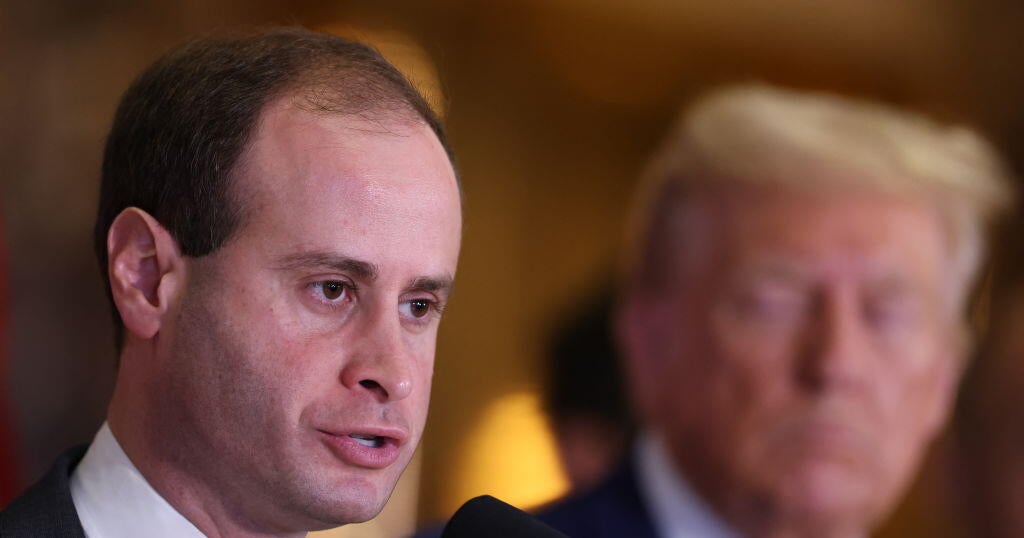
The White House has issued a stern warning to Democrats regarding their plans for investigations in the upcoming Congress, with Will Scharf, the White House counsel, cautioning that these actions may cross into "blatant criminality." In a letter addressed to Rep. Robert Garcia, who is set to chair the House Oversight and Government Reform Committee in January, Scharf emphasized that congressional investigations must be grounded in a legitimate legislative purpose. He expressed concern that the Democrats' intentions could lead to unlawful subpoenas and threaten the constitutional rights of individuals within the executive branch. Scharf's comments come in the wake of Democratic promises to investigate various issues related to the Trump administration following significant Republican losses in the midterm elections.
Scharf's letter highlighted statements from Democratic lawmakers who have indicated plans to issue subpoenas and hold hearings, which he characterized as "abusive and capricious threats." He argued that such actions are designed to intimidate and interfere with the lawful functioning of government. In his response, Garcia defended Congress's authority, stating, "It appears Donald Trump has something to hide" and reiterated that Congress derives its power from Article I of the Constitution, not from the White House. He accused the Trump administration of attempting to weaponize the executive branch against Congress, asserting that they would not be deterred by what he termed "baseless threats" from the administration.S1S2
The tension between the White House and the incoming Democratic majority is palpable, with Scharf specifically referencing Garcia's own comments that he deemed inappropriate, including a social media post where Garcia told administration officials to "LAWYER UP." The backdrop of this escalating conflict is the Democrats' control of at least 254 seats in the House and 54 in the Senate, positioning them to launch a series of investigations into the Trump administration's actions over the past two years. Scharf's letter serves as a precursor to what promises to be a contentious relationship between the two branches of government as they navigate oversight and accountability in the coming term.S1S2