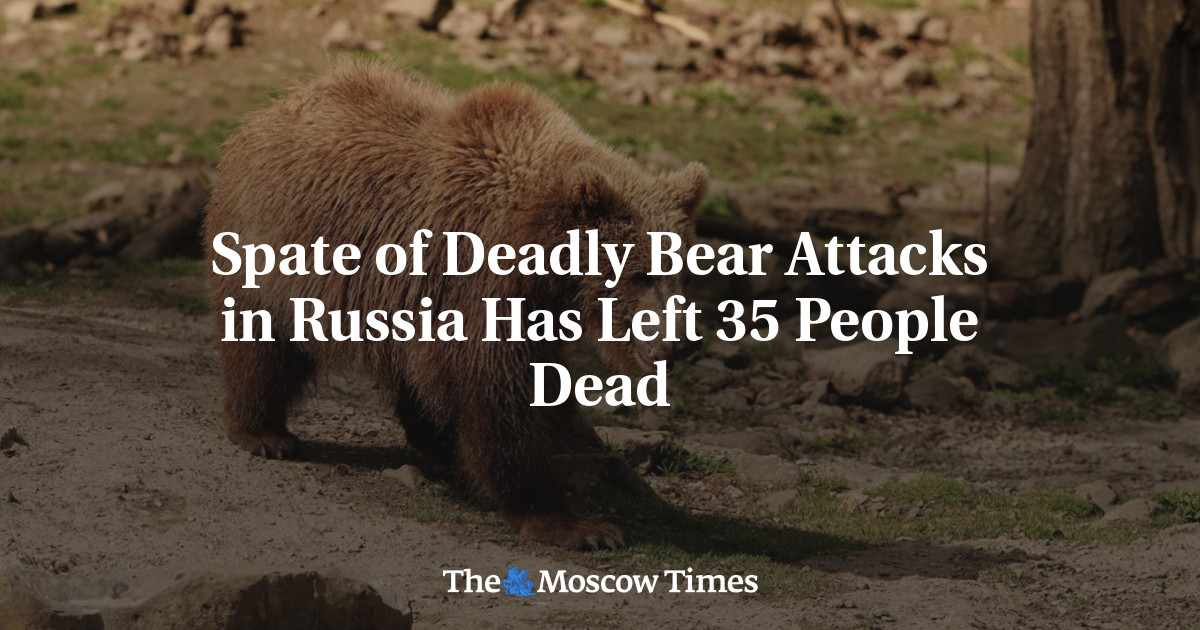
A series of deadly bear attacks across Russia has resulted in 35 fatalities since the onset of spring in the northern hemisphere, with the most recent victim being a security guard at a holiday camp in the Kamchatka region, as reported by the state-run RIA Novosti news agency. This alarming increase in deaths marks a significant rise from 22 reported fatalities earlier in October, highlighting a troubling trend in human-wildlife interactions in the country.
The surge in bear attacks is attributed to a combination of factors, including a dramatic increase in the brown bear population, which has more than doubled over the last thirty years to approximately 308,000. This growth has been facilitated by shorter and milder winters, which have allowed bear populations to thrive. However, regions such as Buryatia are struggling to manage these rising numbers, prompting government discussions in September about implementing measures to facilitate culling efforts.S1S2
Alexei Tsydenov, the head of the Buryatia region, expressed concerns on state television about the connection between the rising bear population and increased attacks on humans. He noted that many hunters have enlisted in the military amid the ongoing conflict in Ukraine, reducing the number of individuals available to manage bear populations. Tsydenov also pointed to other contributing factors, such as poor harvests, forest fires, and a decline in Chinese demand for bear products like bile and paws, which have historically influenced bear hunting practices.S1S2
Despite the growing threat posed by bears, Russia is reportedly utilizing only about 27% of its quota for bear culling, according to zoologist Mikhail Krechmar in an interview with the state-run TASS agency. This underutilization raises questions about the effectiveness of current wildlife management strategies and the government's ability to address the rising number of bear attacks in the country.S1S2