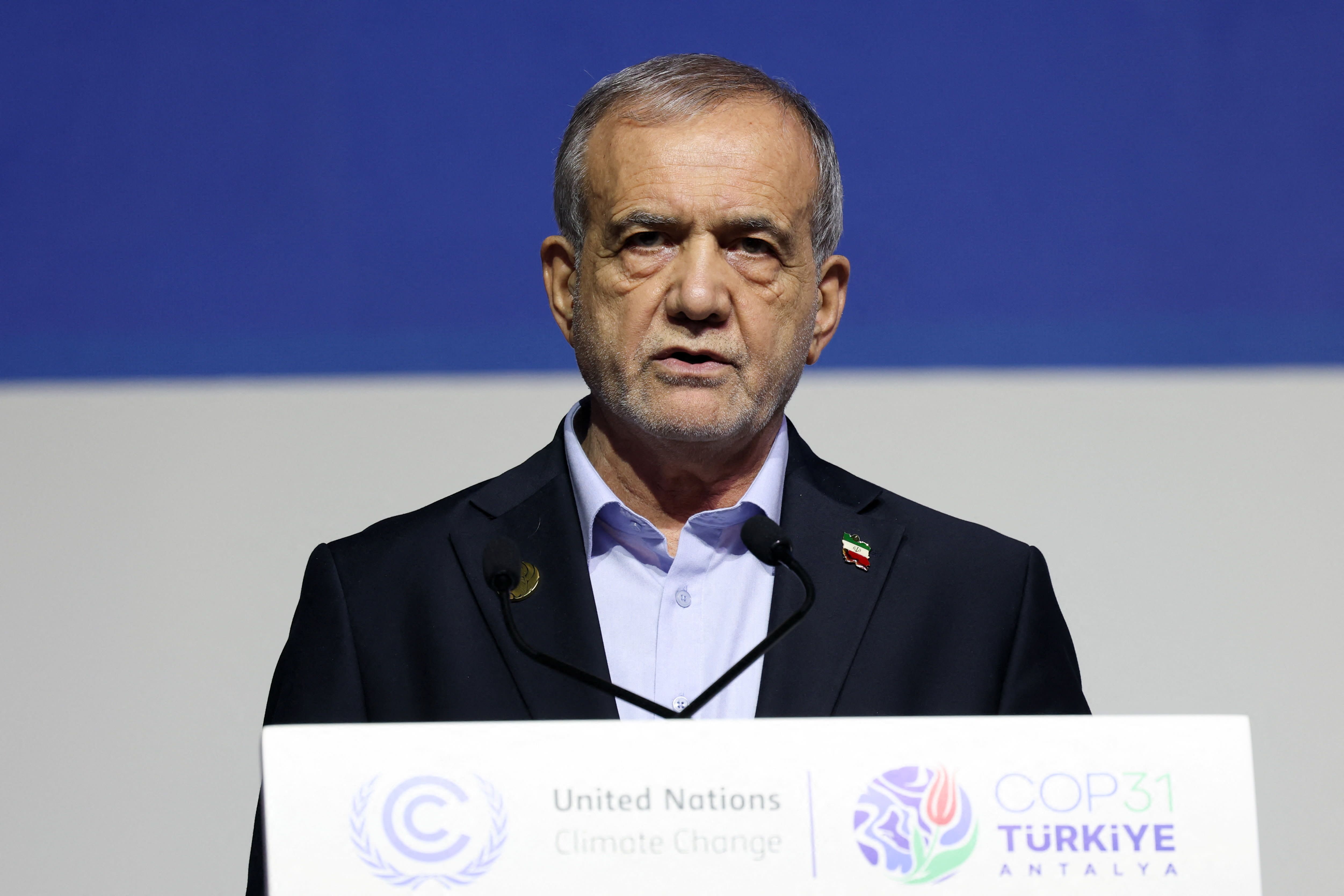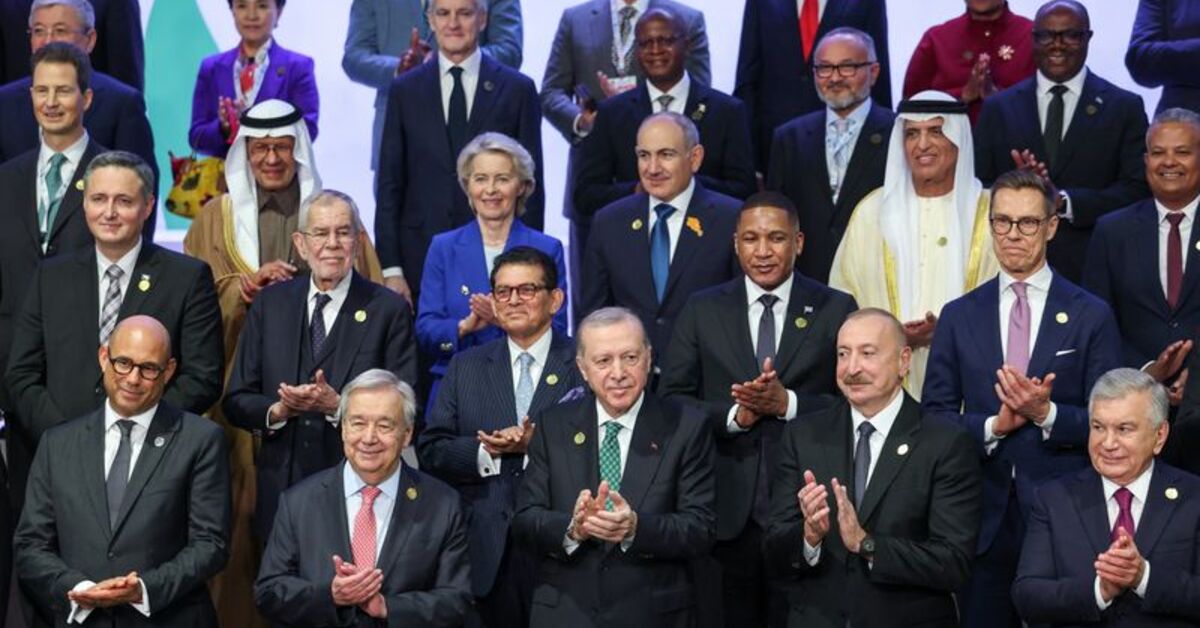
World leaders gathered in Antalya, Turkey, for the COP31 climate conference on November 11, where they outlined their priorities in the face of an escalating climate crisis. United Nations Secretary-General Antonio Guterres delivered a stark warning, stating, "The brutal truth is that the climate crisis is outrunning us. Emissions in 2025 reached all-time highs. Heat records keep shattering. The last four years were the hottest ever and fossil fuel interests keep making a killing, while killing our planet." He emphasized that climate disasters are wreaking havoc on lives and economies worldwide, likening the current trajectory to "mutually assured destruction."
Turkish President Tayyip Erdogan acknowledged the compounded challenges posed by international crises, stating, "Our battle with climate change unfortunately comes at a time when the international system is grappling with tougher issues. Wars, crises, migration, famine and poverty increase the need for international solidarity each day." Brazilian President Luiz Inacio Lula da Silva criticized the diminishing focus on climate change in global discussions, noting that topics like weapons and tariffs have overshadowed the urgent need for climate action. He urged leaders to prioritize the survival of future generations over geopolitical struggles, calling for a renewed commitment to climate agreements.S1
Australian Prime Minister Anthony Albanese highlighted the necessity for wealthier nations to support vulnerable countries, particularly Pacific island nations, which are already facing severe impacts from climate change. He stated, "We must share the opportunities that climate action creates with the people who need the most to adapt and thrive." Similarly, Ethiopian Prime Minister Abiy Ahmed stressed the need for accessible and fair financing to bolster resilience against climate impacts, indicating that high borrowing costs hinder nations' abilities to invest in necessary adaptations.S2
As the conference unfolds, concerns grow that global warming could exceed the critical threshold of 1.5 degrees Celsius above preindustrial levels, a target established in the 2015 Paris Agreement. Both Turkey and Australia, who are presiding over this year's talks, have been criticized for their poor performance in reducing emissions. The urgency of the situation is underscored by the collective call from island nations for immediate action to curb carbon pollution and prevent further climate degradation, reinforcing the need for a unified global response.S2