Iran Demands Compensation for Environmental Damage at COP31

Iran
The brief

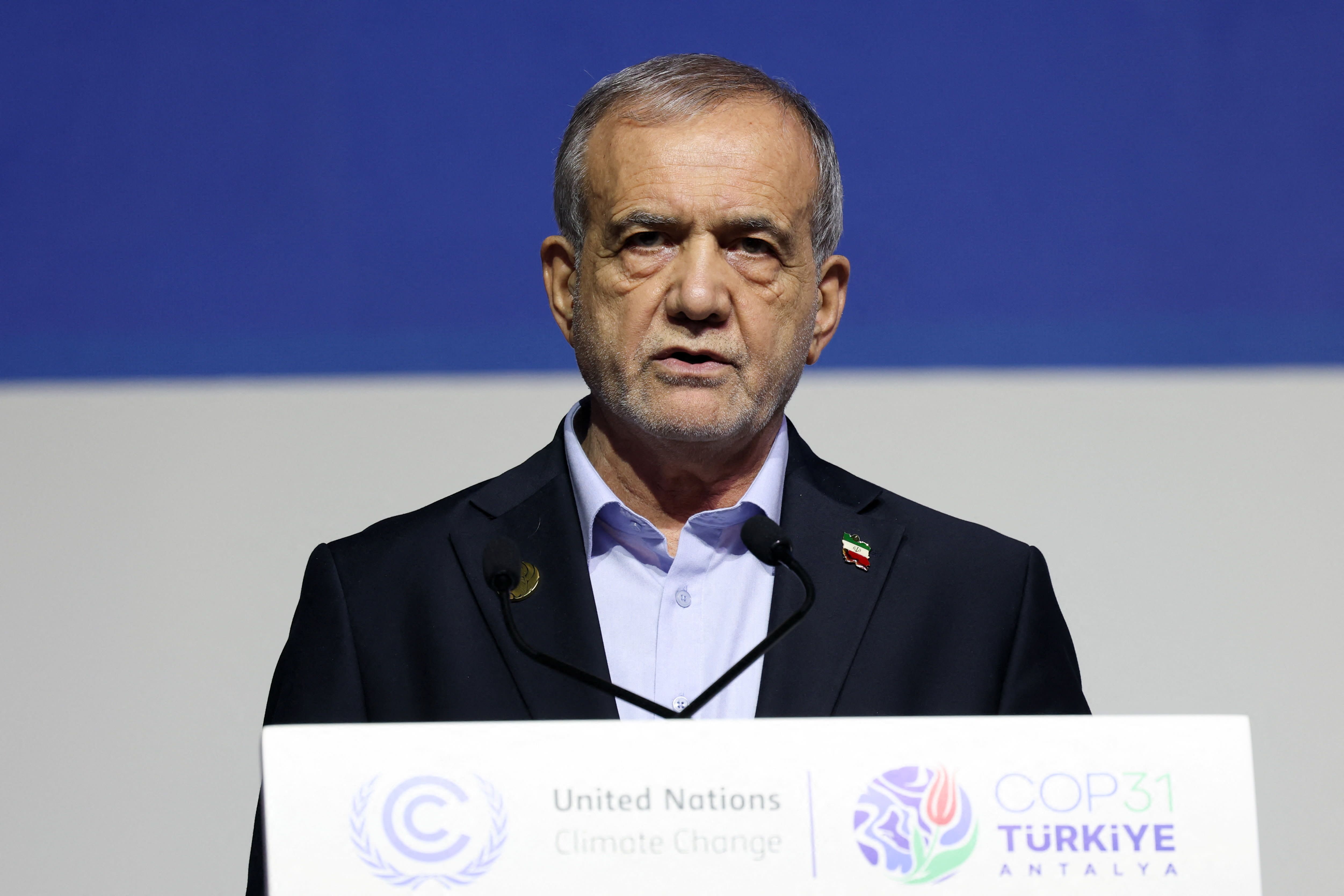
At the COP31 climate conference in Antalya, Turkey, Iranian President Masoud Pezeshkian made a compelling case for international compensation related to environmental damage from US and Israeli military strikes. He emphasized the need for the global community to establish a meaningful connection between climate commitments during peacetime and accountability during wartime. Pezeshkian's remarks came on the third day of the two-week conference, where he highlighted that current international climate agreements lack provisions for addressing the environmental impacts of military actions, despite billions being allocated for climate adaptation in developing countries. He stated, "We expect the global community to establish a genuine and meaningful link between climate commitments in times of peace and responsibility in times of war."

Pezeshkian specifically pointed to the military offensive that began on February 28, which he claims has inflicted extensive human, economic, and environmental damage on Iran. He cited assessments indicating that the strikes on fuel facilities have released approximately 1.5 million tons of carbon dioxide, with significant contributions from attacks on facilities in Asaluyeh and Tehran. On March 18, strikes on Asaluyeh released around 500,000 tons of CO2, while another million tons were attributed to strikes on fuel storage tanks near Tehran on March 7. He warned that these military actions have also caused damage to protected natural areas and environmental ranger stations, posing threats to natural resources and future generations.S2

The Iranian President's call for accountability comes amid a backdrop of escalating tensions in the region, with US and Israeli military operations targeting Iranian energy infrastructure and shipping routes. These operations have not only led to environmental degradation but have also sparked retaliatory actions from Iran, including attacks on oil tankers in the Strait of Hormuz, resulting in substantial oil leaks. Interestingly, a report from a consortium of international scientists noted that global fossil fuel emissions are expected to decline slightly this year, in part due to the high fuel prices and increased use of renewable energy spurred by the ongoing conflict. This complex interplay between military action and environmental impact underscores the urgent need for a framework that addresses the consequences of warfare on climate change.S1

As COP31 continues until November 20, world leaders and climate negotiators are expected to engage in discussions about emissions reductions and climate adaptation financing. Pezeshkian’s appeal for compensation mechanisms for environmental damage could potentially influence the broader dialogue on how military actions intersect with global climate commitments, marking a significant moment in the ongoing negotiations at this pivotal climate conference.S2

Timeline · newest first
3h Jpost

Iran tells COP31 it wants compensation for environmental damage from US-Israeli strikes

Iran's President Pezeshkian demanded compensation for environmental damage caused by US and IDF operations, arguing that wartime destruction must be addressed in global climate com…

4h Shafaq News

Pezeshkian seeks environmental compensation over US-Israeli strikes

Shafaq News- Antalya Iranian President Masoud Pezeshkian called on Wednesday for international mechanisms to assess and compensate for environmental damage caused by US and Israeli…

Iran Demands Compensation for Environmental Damage at COP31

2 outlets 2 reports
The brief

At the COP31 climate conference in Antalya, Turkey, Iranian President Masoud Pezeshkian made a compelling case for international compensation related to environmental damage from US and Israeli military strikes. He emphasized the need for the global community to establish a meaningful connection between climate commitments during peacetime and accountability during wartime. Pezeshkian's remarks came on the third day of the two-week conference, where he highlighted that current international climate agreements lack provisions for addressing the environmental impacts of military actions, despite billions being allocated for climate adaptation in developing countries. He stated, "We expect the global community to establish a genuine and meaningful link between climate commitments in times of peace and responsibility in times of war."

Pezeshkian specifically pointed to the military offensive that began on February 28, which he claims has inflicted extensive human, economic, and environmental damage on Iran. He cited assessments indicating that the strikes on fuel facilities have released approximately 1.5 million tons of carbon dioxide, with significant contributions from attacks on facilities in Asaluyeh and Tehran. On March 18, strikes on Asaluyeh released around 500,000 tons of CO2, while another million tons were attributed to strikes on fuel storage tanks near Tehran on March 7. He warned that these military actions have also caused damage to protected natural areas and environmental ranger stations, posing threats to natural resources and future generations.S2

The Iranian President's call for accountability comes amid a backdrop of escalating tensions in the region, with US and Israeli military operations targeting Iranian energy infrastructure and shipping routes. These operations have not only led to environmental degradation but have also sparked retaliatory actions from Iran, including attacks on oil tankers in the Strait of Hormuz, resulting in substantial oil leaks. Interestingly, a report from a consortium of international scientists noted that global fossil fuel emissions are expected to decline slightly this year, in part due to the high fuel prices and increased use of renewable energy spurred by the ongoing conflict. This complex interplay between military action and environmental impact underscores the urgent need for a framework that addresses the consequences of warfare on climate change.S1

As COP31 continues until November 20, world leaders and climate negotiators are expected to engage in discussions about emissions reductions and climate adaptation financing. Pezeshkian’s appeal for compensation mechanisms for environmental damage could potentially influence the broader dialogue on how military actions intersect with global climate commitments, marking a significant moment in the ongoing negotiations at this pivotal climate conference.S2
Timeline · newest first

Sources · 2 citations

S1 Jpost 1 report · EN
S2 Shafaq NewsLead 1 report · EN