Iran Issues Stark Warning to US Over Military Bases in Europe

Conflict & War
The brief

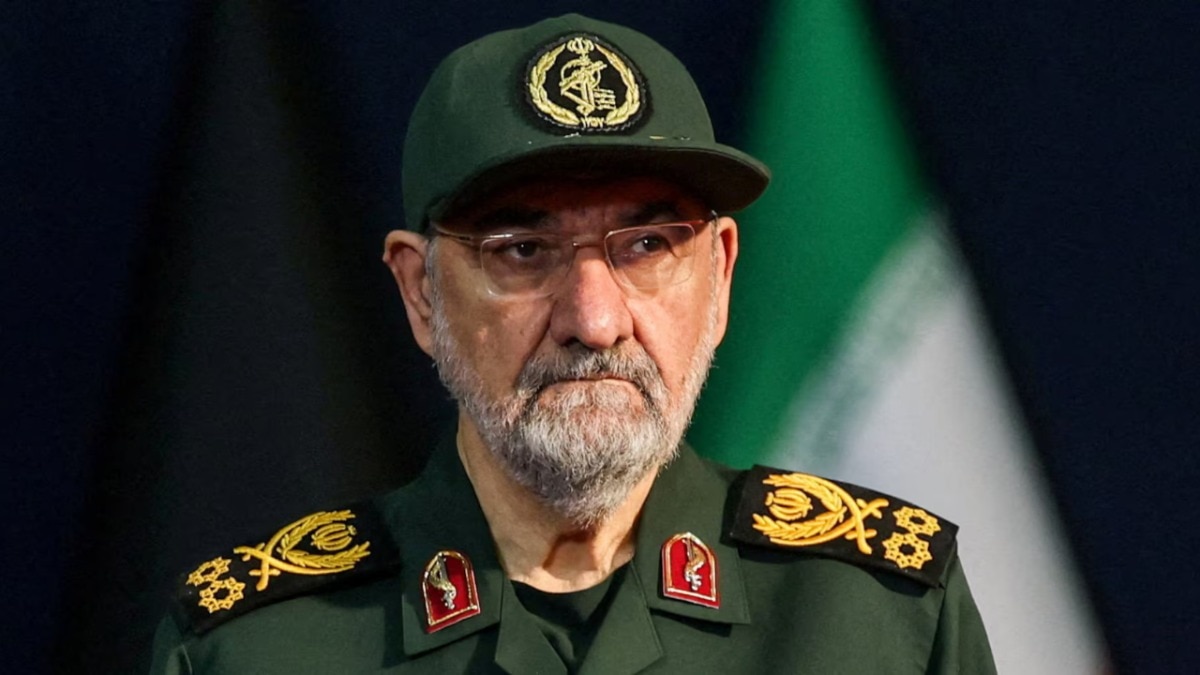
Mohsen Rezaei, the secretary-general of Iran's Supreme National Security Council, has issued a formidable warning regarding potential US military actions against Iran. In an interview with Lebanon-based Al Mayadeen TV, Rezaei stated that if American aircraft were to launch attacks from any military base, including those located in Europe, Iran would retaliate by striking those bases. This declaration marks a significant escalation in rhetoric, as Rezaei emphasized that Iran's response would not be confined to nearby US installations but could extend to distant military assets as well, including certain islands that the US believes are out of reach of Iranian missiles.

The backdrop to these threats is the ongoing conflict that erupted on February 28, following US-Israeli strikes that resulted in the death of Iran's supreme leader, Ayatollah Ali Khamenei. In retaliation, Iran has launched missile and drone attacks against various countries in the region that host US military forces, with the involvement of Iran-backed militant groups in Lebanon, Yemen, and Iraq further complicating the situation. Rezaei's comments reflect a broader strategy by Iran to signal that any renewed military engagement by the US would have far-reaching consequences, potentially affecting bases beyond the Middle East.S1S2

Despite ongoing diplomatic efforts led by Qatar and Pakistan aimed at de-escalation, Rezaei reiterated that Iran is not currently engaged in direct negotiations with the United States. He dismissed reports of talks taking place in Qatar as "lies and slander," asserting that the US has not provided a clear response to Iran's demands, which include the unfreezing of assets and lifting sanctions. The Iranian security chief expressed frustration over the ambiguity of the US response, indicating that Tehran is firm on its position regarding its enriched nuclear material, which it refuses to send outside the country, further complicating any potential diplomatic resolution.S1S2

The stakes are high, as the conflict continues to evolve with no clear path to resolution. Iran's threats to target US bases in Europe signal a potential widening of the conflict, raising concerns about the implications for regional stability and international relations. As tensions mount, the international community is closely monitoring the situation, particularly in light of the strategic importance of the Strait of Hormuz, which Iran has blockaded since the start of the conflict. The coming weeks could prove crucial in determining whether diplomatic efforts can yield a breakthrough or if military confrontations will escalate further.S1S2
Timeline · newest first
2h Punchng

Iran security chief threatens US bases in Europe if used for strikes

Iranian security chief Mohsen Rezaei has threatened to strike US bases in Europe and other distant regions if they are used for attacks against the Islamic :

3h Indiatoday

Iran security chief threatens to strike US bases in Europe if used to bomb Tehran

Iran security chief threatens to strike US bases in Europe if used to bomb Tehran

Iran Issues Stark Warning to US Over Military Bases in Europe

2 outlets 2 reports
The brief

Mohsen Rezaei, the secretary-general of Iran's Supreme National Security Council, has issued a formidable warning regarding potential US military actions against Iran. In an interview with Lebanon-based Al Mayadeen TV, Rezaei stated that if American aircraft were to launch attacks from any military base, including those located in Europe, Iran would retaliate by striking those bases. This declaration marks a significant escalation in rhetoric, as Rezaei emphasized that Iran's response would not be confined to nearby US installations but could extend to distant military assets as well, including certain islands that the US believes are out of reach of Iranian missiles.

The backdrop to these threats is the ongoing conflict that erupted on February 28, following US-Israeli strikes that resulted in the death of Iran's supreme leader, Ayatollah Ali Khamenei. In retaliation, Iran has launched missile and drone attacks against various countries in the region that host US military forces, with the involvement of Iran-backed militant groups in Lebanon, Yemen, and Iraq further complicating the situation. Rezaei's comments reflect a broader strategy by Iran to signal that any renewed military engagement by the US would have far-reaching consequences, potentially affecting bases beyond the Middle East.S1S2

Despite ongoing diplomatic efforts led by Qatar and Pakistan aimed at de-escalation, Rezaei reiterated that Iran is not currently engaged in direct negotiations with the United States. He dismissed reports of talks taking place in Qatar as "lies and slander," asserting that the US has not provided a clear response to Iran's demands, which include the unfreezing of assets and lifting sanctions. The Iranian security chief expressed frustration over the ambiguity of the US response, indicating that Tehran is firm on its position regarding its enriched nuclear material, which it refuses to send outside the country, further complicating any potential diplomatic resolution.S1S2

The stakes are high, as the conflict continues to evolve with no clear path to resolution. Iran's threats to target US bases in Europe signal a potential widening of the conflict, raising concerns about the implications for regional stability and international relations. As tensions mount, the international community is closely monitoring the situation, particularly in light of the strategic importance of the Strait of Hormuz, which Iran has blockaded since the start of the conflict. The coming weeks could prove crucial in determining whether diplomatic efforts can yield a breakthrough or if military confrontations will escalate further.S1S2
Timeline · newest first

Sources · 2 citations

S1 Punchng 1 report · EN
S2 IndiatodayLead 1 report · EN