Iran's Mohsen Rezaei Declares No Enriched Nuclear Material Will Leave Country

Iran
The brief

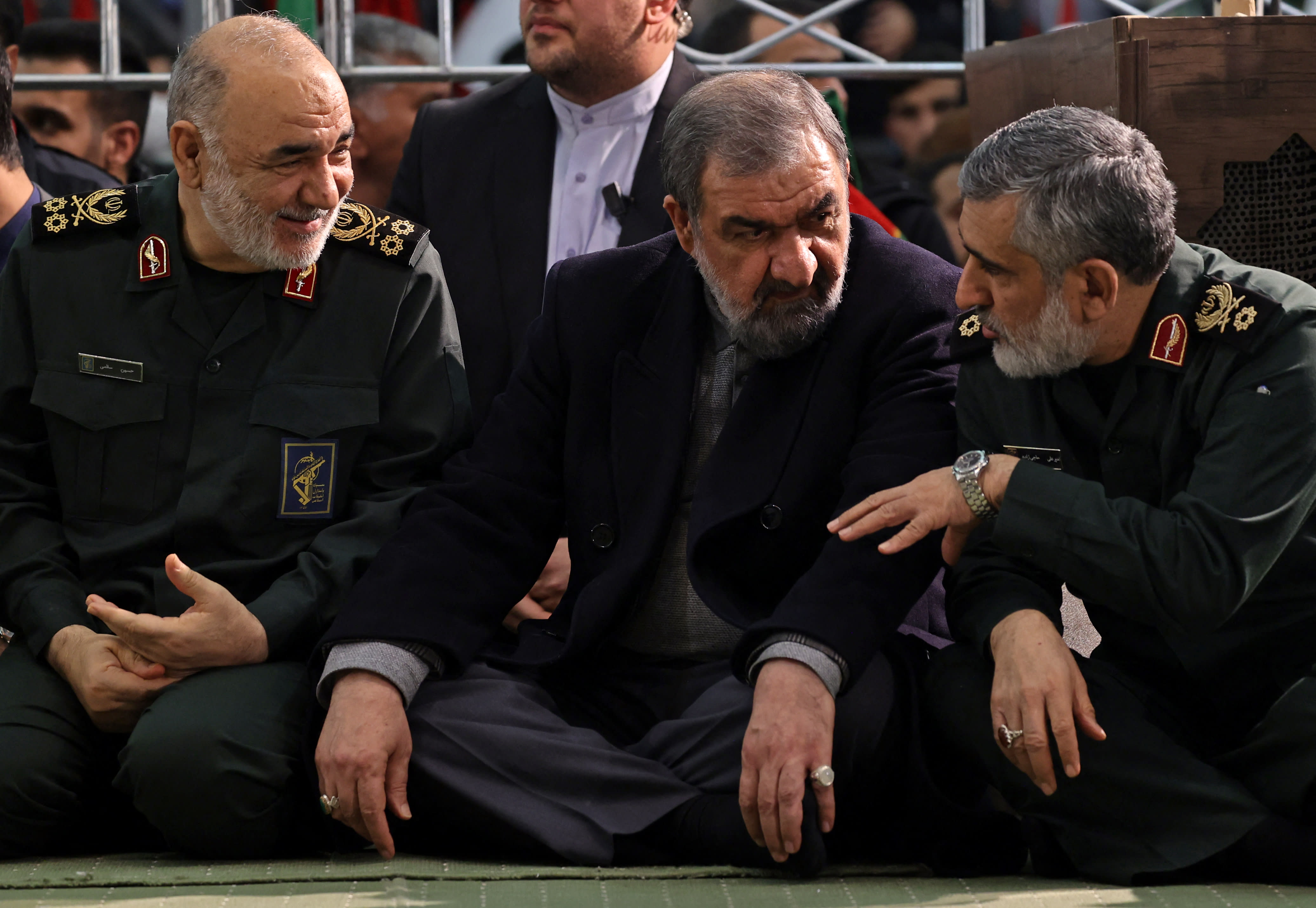
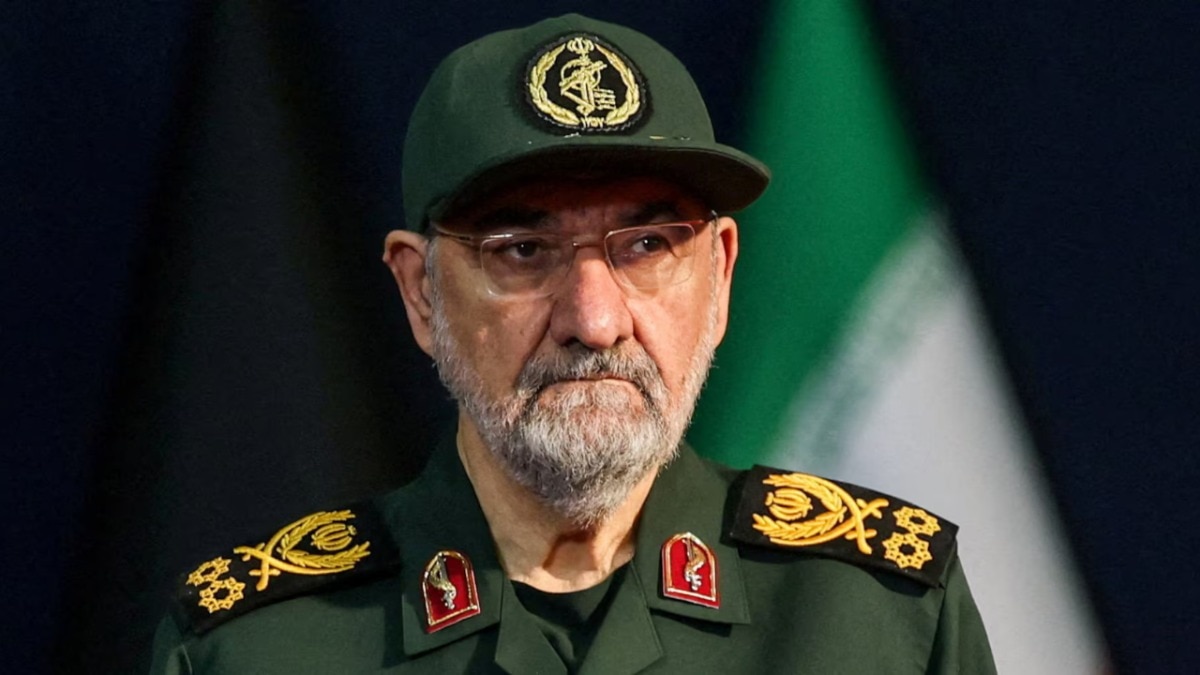
Iran's Security Chief Mohsen Rezaei has firmly stated that not a single particle of enriched nuclear material will leave the country, emphasizing that all such material will remain in Iran for domestic use. In a televised interview with Lebanon's Al Mayadeen network, Rezaei warned that any new military actions by the United States would provoke retaliatory strikes against U.S. bases, including those in Europe, should they be used to launch attacks on Iran. This declaration follows a period of reduced military rhetoric from U.S. officials after the Republicans' defeat in the November 3 midterm elections, as noted by analysts.

Rezaei, who is also the Secretary of the Supreme National Security Council, reiterated that Iran is not engaged in negotiations with the U.S. at present and is awaiting a clear response to seven conditions it has laid out for any future diplomatic engagement. These conditions include demands for the lifting of economic sanctions, the ending of the U.S. naval blockade, and the unfreezing of Iranian assets. He described the U.S. response thus far as 'deceptive' and lacking clarity, which has further stalled any potential talks between the nations.S2

The Iranian official highlighted that Iran intends to utilize its enriched uranium for various domestic applications, including the development of nuclear-powered ships and small modular reactor power plants. This assertion aligns with Iran's broader strategy to maintain control over its nuclear capabilities, despite ongoing accusations from Israel and Western nations regarding its intentions to develop nuclear weapons. The International Atomic Energy Agency (IAEA) estimates that Iran possesses approximately 440.9 kg of uranium enriched to 60%, a level significantly higher than what is necessary for civilian purposes.S1

Rezaei's comments come amidst a backdrop of heightened tensions between Iran and the U.S., with Iran's Supreme Leader having previously directed that the country's near-weapons-grade uranium should not be sent abroad. The Iranian leadership's stance indicates a firm commitment to retaining its nuclear material, which they argue is essential for national development and energy needs. As the situation evolves, Iran has made it clear that the Strait of Hormuz will remain closed until their conditions are met, underlining the strategic importance of this waterway in global oil transportation.S2

Timeline · newest first
7h Jpost

Rezaei: 'Not a single particle' of enriched material will leave Iran, IRGC will retaliate vs US

Russia has previously offered to remove uranium from Iran as part of a potential deal to ease US concerns but said it was for Tehran to decide whether to remove it or not.

8h Publish

“Not a single particle” of enriched material: Iran Security Chief Rezaei rules out moving nuclear stockpile abroad

In an interview with Lebanon-based Al-Mayadeen network on Wednesday, Rezaei said Iran was not currently holding negotiations with the United States and was awaiting a clear respons…

Iran's Mohsen Rezaei Declares No Enriched Nuclear Material Will Leave Country

2 outlets 2 reports
The brief

Iran's Security Chief Mohsen Rezaei has firmly stated that not a single particle of enriched nuclear material will leave the country, emphasizing that all such material will remain in Iran for domestic use. In a televised interview with Lebanon's Al Mayadeen network, Rezaei warned that any new military actions by the United States would provoke retaliatory strikes against U.S. bases, including those in Europe, should they be used to launch attacks on Iran. This declaration follows a period of reduced military rhetoric from U.S. officials after the Republicans' defeat in the November 3 midterm elections, as noted by analysts.

Rezaei, who is also the Secretary of the Supreme National Security Council, reiterated that Iran is not engaged in negotiations with the U.S. at present and is awaiting a clear response to seven conditions it has laid out for any future diplomatic engagement. These conditions include demands for the lifting of economic sanctions, the ending of the U.S. naval blockade, and the unfreezing of Iranian assets. He described the U.S. response thus far as 'deceptive' and lacking clarity, which has further stalled any potential talks between the nations.S2

The Iranian official highlighted that Iran intends to utilize its enriched uranium for various domestic applications, including the development of nuclear-powered ships and small modular reactor power plants. This assertion aligns with Iran's broader strategy to maintain control over its nuclear capabilities, despite ongoing accusations from Israel and Western nations regarding its intentions to develop nuclear weapons. The International Atomic Energy Agency (IAEA) estimates that Iran possesses approximately 440.9 kg of uranium enriched to 60%, a level significantly higher than what is necessary for civilian purposes.S1

Rezaei's comments come amidst a backdrop of heightened tensions between Iran and the U.S., with Iran's Supreme Leader having previously directed that the country's near-weapons-grade uranium should not be sent abroad. The Iranian leadership's stance indicates a firm commitment to retaining its nuclear material, which they argue is essential for national development and energy needs. As the situation evolves, Iran has made it clear that the Strait of Hormuz will remain closed until their conditions are met, underlining the strategic importance of this waterway in global oil transportation.S2
Timeline · newest first

Sources · 2 citations

S1 Jpost 1 report · EN
S2 PublishLead 1 report · EN