The brief
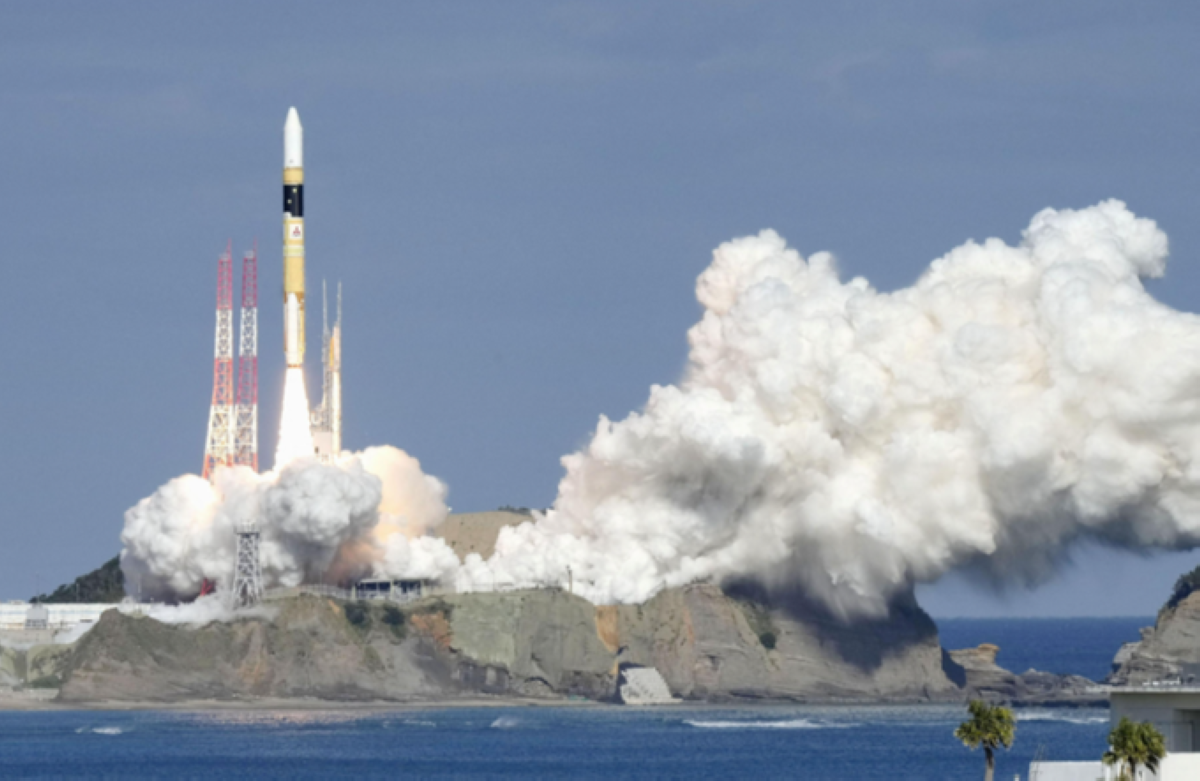
Japan's space agency, JAXA, has successfully conducted the first test flight of its experimental reusable rocket, marking a significant advancement in its space exploration efforts.
Context
This test flight is part of Japan's broader strategy to enhance its capabilities in space technology and reduce costs associated with space missions.S1S2
Key points
- The maiden flight test was conducted by the Japan Aerospace Exploration Agency (JAXA).S1
- The experimental rocket aims to be reusable, which could lower the costs of future space missions.S1
- This test represents a critical step in JAXA's ongoing efforts to innovate in space technology.S1
- The successful test flight could pave the way for more ambitious space exploration projects.S2
- JAXA's focus on reusable rockets aligns with global trends in space exploration.S1
- The rocket's design and technology are expected to contribute to Japan's competitiveness in the space sector.S1
- This initiative reflects Japan's commitment to advancing its space capabilities.S2
- The test flight is part of a series of planned evaluations for the rocket's performance.S1
Why it matters
- Advancements in reusable rocket technology can significantly reduce the cost of access to space.S1
- Successful tests enhance Japan's position in the global space race, particularly against other nations investing in similar technologies.S2
What to watch
- Monitor JAXA's future test flights and developments related to the reusable rocket.S1
- Watch for potential collaborations between JAXA and international space agencies.S2