European Union leaders said on Friday that Europe's security architecture should not be a subject of Ukraine-Russia peace negotiations, though they left unanswered who would speak for Europe in any future talks. The Kremlin said the same day that Russia would welcome European countries taking part in the peace process if it saw they were ready to contribute. German Chancellor Friedrich Merz dismissed the Kremlin's remarks as "the same old game," telling reporters at a summit of EU leaders in Dublin that Europe and the United States shared a clear message: "There will be no discussions about Ukraine without Ukraine, and no discussions about Europe without Europe."
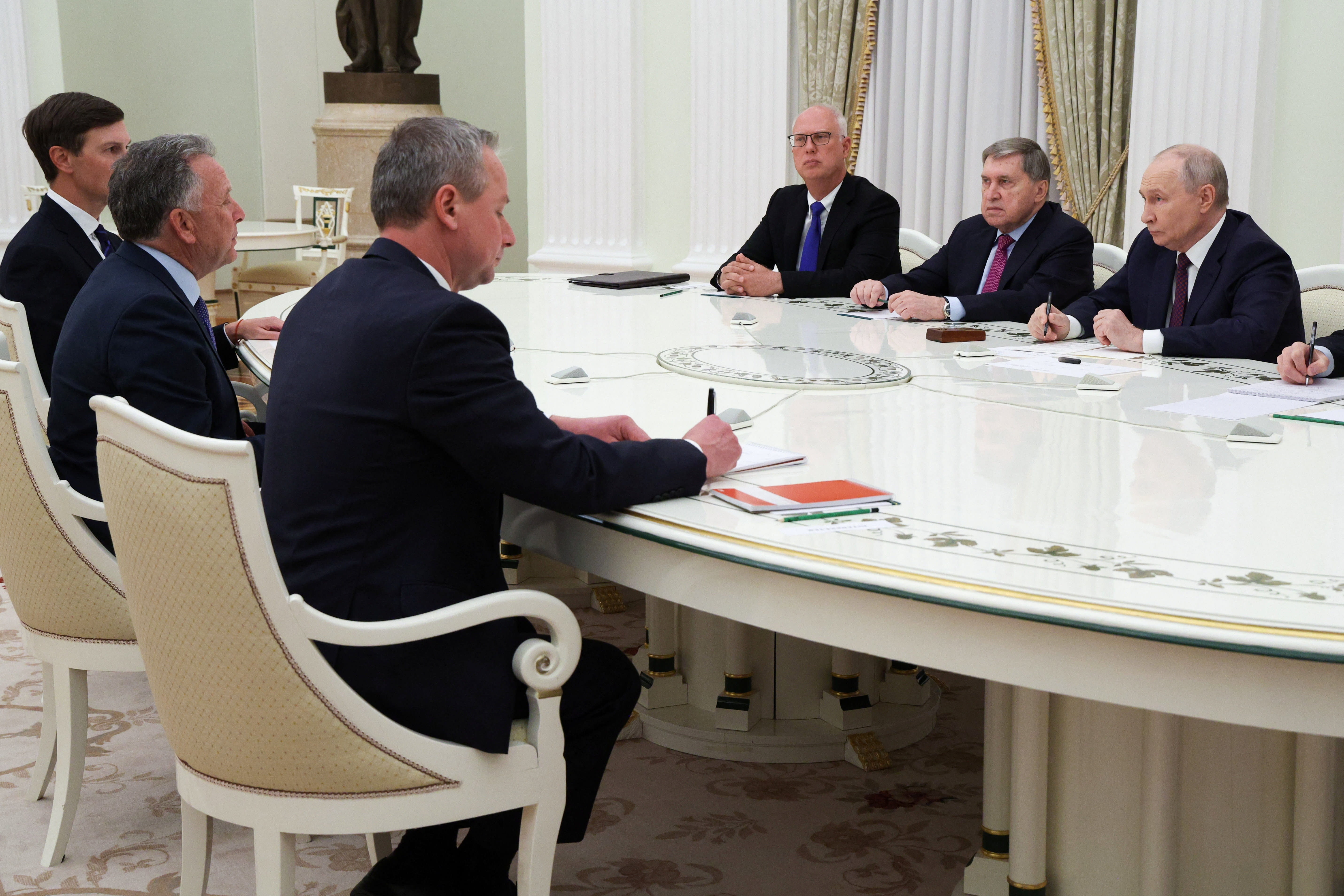
The dispute traces back to Moscow's demands. Russian officials have called for a broad agreement on Europe's security architecture before tackling the specifics of the war, a position that echoes Russia's pre-invasion demand for NATO forces to withdraw from countries that joined the alliance after 1997, a demand NATO rejected. US negotiator Jared Kushner said in Moscow on Thursday that he had begun discussions with European partners on the continent's security architecture. EU foreign policy chief Kaja Kallas argued that such discussions risked diverting attention from the more urgent need for a ceasefire, and Latvian Prime Minister Andris Kulbergs called them "a trap."S1
Leaders from Poland, the Baltic states and the Nordic countries had already warned on Thursday against brainstorming with the US or Russia about Europe's security architecture, according to a European diplomat and a European official. On the same day, forty European countries meeting as a broader group in Dublin signed a declaration stating that any matter affecting European security should be decided with the involvement of Europeans. EU leaders broadly agreed that Europe must speak with one voice, and four sources told Reuters that Germany, France, Italy, Poland, the United Kingdom and EU institutions would represent Europe in talks with the United States, Russia and Ukraine.S1S2
Merz defended the arrangement, saying established EU representation, including Kallas, existed alongside the E3 format of France, Germany and Britain, which he said had proven very effective, and adding that Italy and Poland were always included. Bloomberg reported that national security advisers from the EU and five major powers would represent Europe in the upcoming talks. Representatives from Britain, France, Germany, Italy and the EU had already attended Russia-Ukraine talks in Abu Dhabi earlier in the week, where both Moscow and Kyiv cited some progress, though no breakthrough was reported on key issues such as territory.S1S2
Swedish Prime Minister Ulf Kristersson said Britain, one of Europe's three leading military powers, certainly had to be part of the arrangement. The unresolved question of who speaks for Europe thus sits alongside a stalled negotiation over territory, with the Abu Dhabi round as the most recent concrete step in the process.S1S2