Africa Makes Some Gains but Faces Major Setbacks at COP31

Ghana
The brief

Negotiations at the United Nations climate summit in the resort city of Antalya, Türkiye, entered their second week on November 15, as scientists warned that the world is approaching the 1.5C warming limit set by the 2015 Paris Agreement. Although the target is measured over decades rather than single years, researchers found the planet crossed that threshold over a full year for the first time in 2024. The UN Environment Programme says a sustained breach of 1.5°C is now unavoidable, and existing policies could push warming to 2.8°C this century, raising the risk of extreme heat, floods and droughts.

Returning temperatures below 1.5C would require far deeper emission cuts and the removal of large amounts of carbon dioxide from the atmosphere. The latest climate plans would reduce global emissions by just 6 percent by 2035 compared with 2019 levels, a shortfall the UN's climate change body describes as far short of what is needed. Against that backdrop, African negotiators made some progress at the Mediterranean-hosted talks but also lost ground on issues they had been pushing.S1S2

On the first day of COP31, negotiators from Africa and other developing countries secured a formal place for the Climate Finance Work Programme on the official agenda, despite opposition from wealthy nations that did not want a dedicated space for climate finance. The programme focuses on scrutinising developed nations' legal obligations under Article 9.1 of the Paris Agreement to provide public and concessional finance to developing countries. For African states, it offers a way to press for concrete accountability on pledges such as the $300bn annual climate finance target by 2035 agreed at COP29 in Baku, Azerbaijan.S1S2

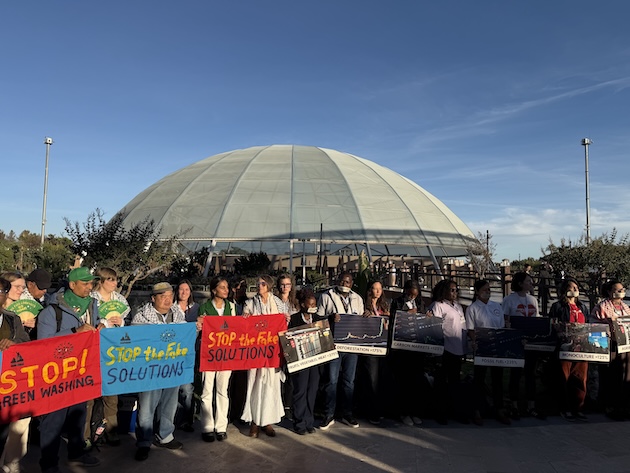
During the summit, the Leaf Coalition, a public-private initiative aimed at halting tropical deforestation by mobilising large-scale finance for forest-protecting jurisdictions, announced that Ghana would be the first country to access finance for a carbon credit project. Ghana is set to receive millions of dollars as buyers transact credits under a REDD+ programme covering about 2.5 million hectares of forest across 10 regions in southern and central Ghana, areas threatened by agricultural expansion, illegal logging and mining. Climate activists have criticised the initiative as a false solution and greenwashing, arguing that it delays real decarbonisation while letting high-emitting companies keep polluting.S1S2

The setbacks were significant. Africa's bid for a dedicated, standalone agenda item on tripling adaptation finance did not make it onto this year's COP agenda after wealthy nations opposed it, a blow African delegations described as tremendous. The adaptation pledge had been agreed at COP30, leaving the issue to be pursued within the broader finance discussions.S1S2
Timeline · newest first
1h AllAfrica

Africa: Africa Makes Some Gains but Faces Major Setbacks At COP31

[IPS] Antalya, Türkiye -- Today (November 15) marks the second week of negotiations at the United Nations climate summit in the resort city of Antalya, Turkey.

1h Globalissues

Africa Makes Some Gains but Faces Major Setbacks at COP31

ANTALYA, Türkiye, November 16 (IPS) - Today (November 15) marks the second week of negotiations at the United Nations climate summit in the resort city of Antalya, Turkey. , “Afric…

Africa Makes Some Gains but Faces Major Setbacks at COP31

2 outlets 2 reports
The brief

Negotiations at the United Nations climate summit in the resort city of Antalya, Türkiye, entered their second week on November 15, as scientists warned that the world is approaching the 1.5C warming limit set by the 2015 Paris Agreement. Although the target is measured over decades rather than single years, researchers found the planet crossed that threshold over a full year for the first time in 2024. The UN Environment Programme says a sustained breach of 1.5°C is now unavoidable, and existing policies could push warming to 2.8°C this century, raising the risk of extreme heat, floods and droughts.

Returning temperatures below 1.5C would require far deeper emission cuts and the removal of large amounts of carbon dioxide from the atmosphere. The latest climate plans would reduce global emissions by just 6 percent by 2035 compared with 2019 levels, a shortfall the UN's climate change body describes as far short of what is needed. Against that backdrop, African negotiators made some progress at the Mediterranean-hosted talks but also lost ground on issues they had been pushing.S1S2

On the first day of COP31, negotiators from Africa and other developing countries secured a formal place for the Climate Finance Work Programme on the official agenda, despite opposition from wealthy nations that did not want a dedicated space for climate finance. The programme focuses on scrutinising developed nations' legal obligations under Article 9.1 of the Paris Agreement to provide public and concessional finance to developing countries. For African states, it offers a way to press for concrete accountability on pledges such as the $300bn annual climate finance target by 2035 agreed at COP29 in Baku, Azerbaijan.S1S2

During the summit, the Leaf Coalition, a public-private initiative aimed at halting tropical deforestation by mobilising large-scale finance for forest-protecting jurisdictions, announced that Ghana would be the first country to access finance for a carbon credit project. Ghana is set to receive millions of dollars as buyers transact credits under a REDD+ programme covering about 2.5 million hectares of forest across 10 regions in southern and central Ghana, areas threatened by agricultural expansion, illegal logging and mining. Climate activists have criticised the initiative as a false solution and greenwashing, arguing that it delays real decarbonisation while letting high-emitting companies keep polluting.S1S2

The setbacks were significant. Africa's bid for a dedicated, standalone agenda item on tripling adaptation finance did not make it onto this year's COP agenda after wealthy nations opposed it, a blow African delegations described as tremendous. The adaptation pledge had been agreed at COP30, leaving the issue to be pursued within the broader finance discussions.S1S2
Timeline · newest first

Sources · 2 citations

S1 AllAfrica 1 report · EN
S2 GlobalissuesLead 1 report · EN