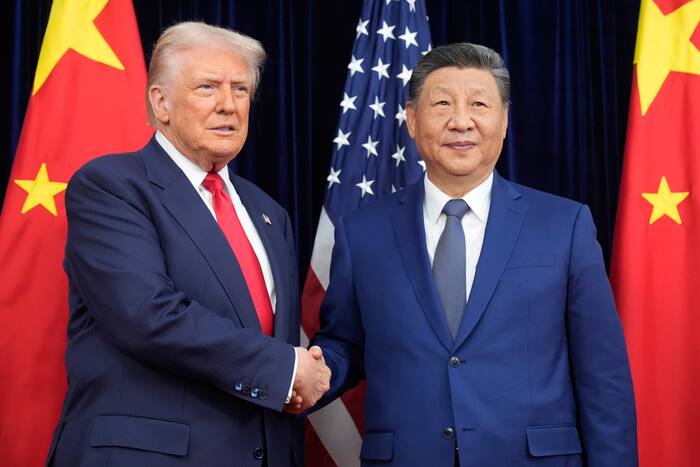
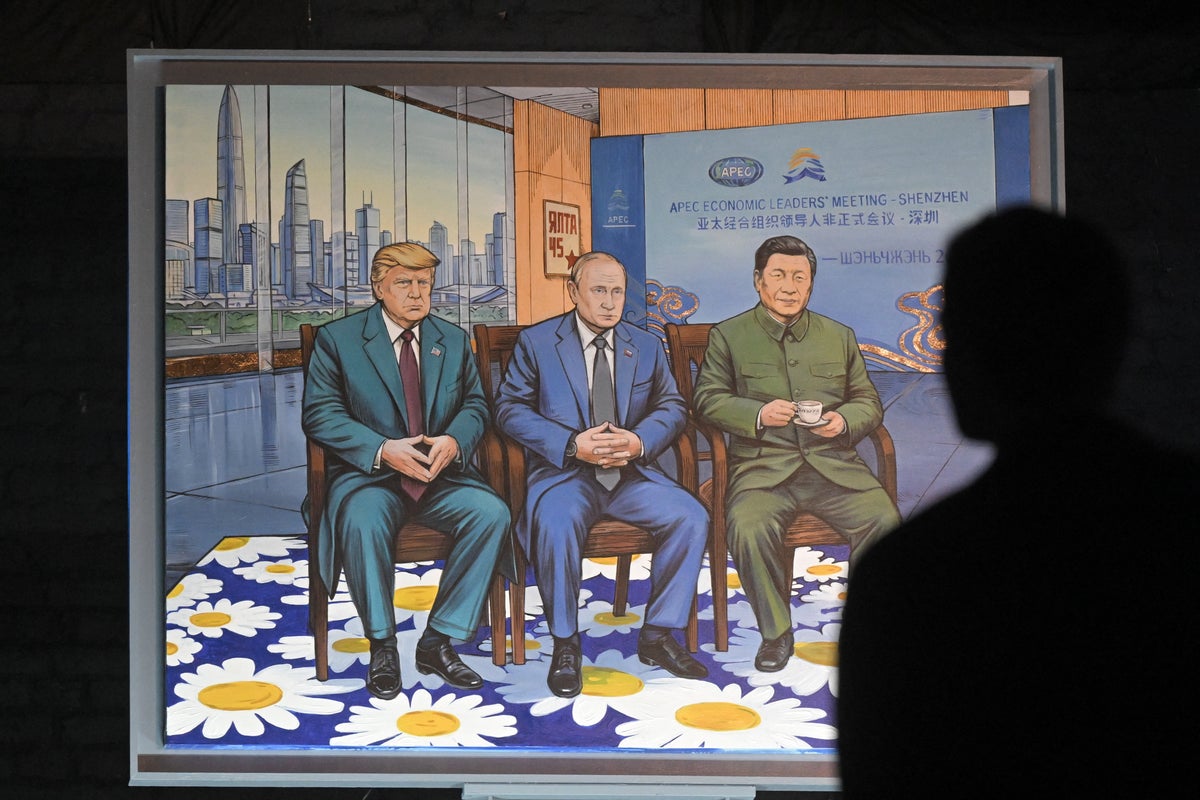
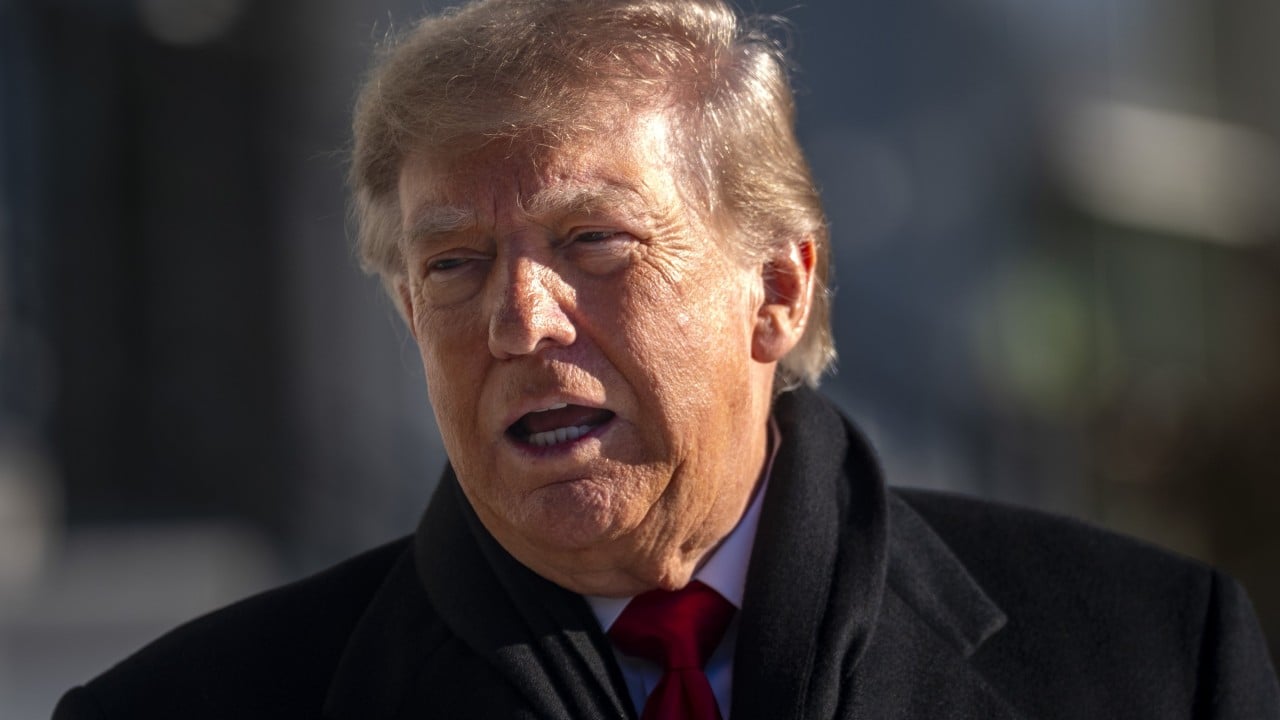
U.S. President Donald Trump, Chinese President Xi Jinping and Russian President Vladimir Putin are expected to meet in Shenzhen on the sidelines of the Asia-Pacific Economic Cooperation meeting, a trilateral gathering that has drawn comparisons to the Yalta Conference of February 1945. Commentators have noted the superficial resemblance of three leaders at one table, while arguing that the parallel largely ends there.
Trump has said he wants the talks to focus on denuclearisation, a framing Beijing has resisted. China argues that its far smaller nuclear arsenal makes it unreasonable to include China in such a process. That disagreement over the agenda points to the difficulty of bringing the three powers into a common framework.S1
Unlike the Allied leaders at Yalta, who commanded armies that were deciding the outcome of a world war and negotiated over territories under occupation, the Shenzhen participants are not engaged in a comparable wartime settlement. Analysts describe them as leaders with incompatible ambitions, unequal capabilities and real constraints, none of whom holds the authority to dispose of other countries' interests. Even the Yalta agreements, commentators note, proved less durable than their famous photographs.S2